
Sony Turns Its Back on PC As Consoles War Enters New Era
Other by Aisaka Taiga on Jun 11, 2026
Gaming feels like it is fracturing all over again. There was a brief flash when it really looked like the walls were coming down for good, with the big publishers finally realizing that locking premium titles to a single plastic box under the TV was not the way to maximize profits - or keep fans happy.
But, alas – Sony's recent behavior indicates a complete reversal of that ‘open world’ philosophy. What did they do? They decided to stop releasing single-player PlayStation games on PC, driving a massive portion of their player base back toward the console.
.jpg)
This sudden retreat back into strict ecosystem control and a closed digital storefront feels like a massive regression when the wider player base has spent years adapting to seamless cross-platform accessibility. We went from celebrating simultaneous multi-platform initiatives to watching a massive corporation double down on artificial scarcity.
The Consoles Are Not Alright...
The hardware market isn’t living its best life right now. Consoles are actively struggling to justify their massive price tags and iterative generational leaps, especially with mid-generation refreshes that put the numbers on the price tags higher and higher. When the technical differentiation between the competitors shrinks to a handful of IP, the ‘defensive maneuver’ of pulling software back into a closed loop starts to look like a very pretty prospect.
Sony is betting that high-profile exclusivity will force players back into their living room ecosystem, assuming that brand loyalty can override the sheer convenience of an open, unified platform. It feels short-sighted, a reactive play to shore up subscription numbers rather than building a sustainable ecosystem that respects a player's choice of hardware.
It is a strategy that completely misreads where modern players actually spend their time. The desktop environment remains incredibly resilient because it bypasses artificial restrictions entirely, offering an open architecture that adapts to user habits in a way no proprietary console ever could.
PC gaming continues to thrive precisely due to this complete lack of digital borders, where hardware doesn't dictate what content you are allowed to see or where it originates. On PC, you aren’t confined to a heavily curated IP echo chamber – you can access content regardless of many of the console- or geo-specific restrictions that consoles have always been criticized for.
A PC player can access ‘exclusives’ that their console isn’t able to play, and that’s a perk that extends beyond console dynamics alone. If they’re based in North America, then they can access Oceania’s online pokies nz genre – or, of course, take advantage of the ‘New Zealand workaround’ for time-sensitive releases. This is one of the main reasons why PC consistently ranks above console, and Sony is trying to undermine that.
That absolute lack of a single platform authority provides an enduring stability that a hardware-locked network cannot match. When a desktop allows a user to move instantly between high-end development work, intensive gaming, and simple web entertainment, it creates a layer of daily utility that keeps the audience permanently anchored.
The New Momentum
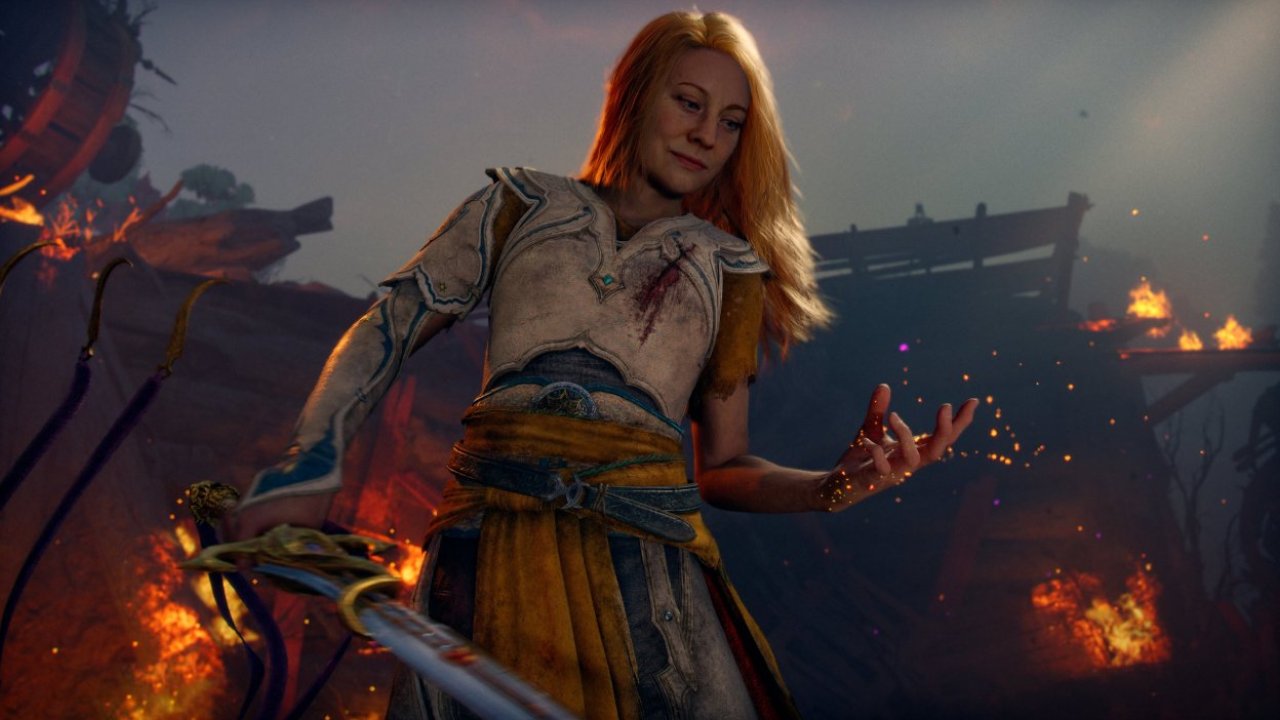
This comes at a time when a number of big projects are making their way through the Sony pipeline. God of War Laufey and Kena: Scars of Kosmora are among those titles that may or may not ever make it onto PC thanks to this latest change.
This pivot becomes even more jarring when compared to how competitors are handling the shift. While other industry giants are increasingly treating their hardware as optional entry points to a broader cloud-based service, Sony appears intent on rebuilding the high walls of the early 2000s.
It ignores the reality that modern gaming relies on community connectivity. When you fragment a player base by withholding releases or demanding arbitrary platform accounts, you actively degrade the social fabric that keeps multiplayer titles alive long after their launch windows.
By walking away from this broader market to reignite traditional console rivalries, Sony is taking a massive gamble on consumer patience. Today's audience expects flexibility. They want persistent progression, varied input options, and a digital library that outlasts a specific console generation.
Forcing players into rigid ecosystem silos might yield short-term spikes in hardware adoption, but it runs entirely counter to the open-ended direction the industry has been heading for over a decade – and the worst part is we know why they’re doing it, and cynicism from brands isn’t going down well anymore…
Moderator, NoobFeed
Latest Articles
No Data.