
Best SSDs for Gaming in 2025: PCIe 3.0 vs 4.0 vs 5.0 vs SATA
Discover the best SSDs for gaming in 2025. Compare PCIe 3.0, PCIe 4.0, PCIe 5.0, SATA, and HDD storage performance.
Hardware by Tanvir Kabbo on Aug 19, 2025
Storage has become one of the most important factors in modern gaming performance. The majority of rendering and processing is done by graphics cards and processors, but storage speed has a direct impact on how fast a game loads, streams content, and installs. A vast array of storage technologies, such as SATA SSDs, PCIe 3.0, PCIe 4.0, and the newest PCIe 5.0 drives, will be available to gamers in 2025.
Although hard drives are still in use, their primary function is now mass storage rather than gaming. Which storage option now offers the greatest gaming experience is still up for debate.
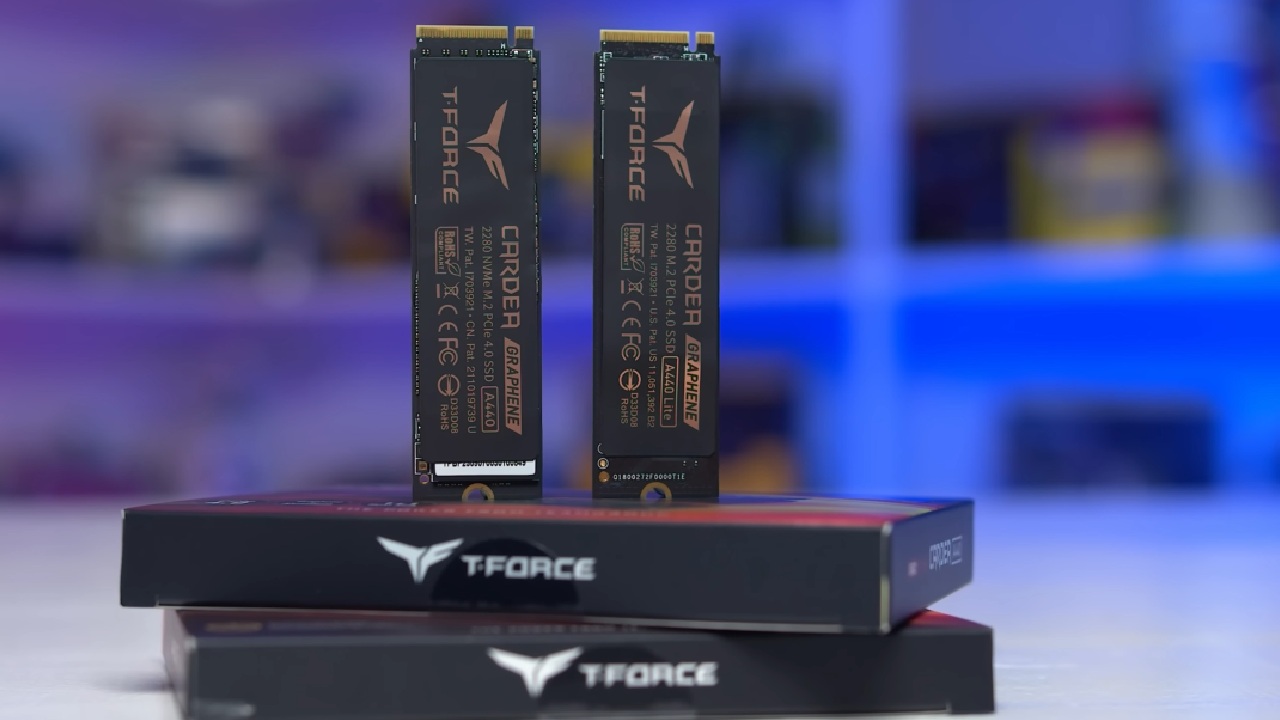
The Importance of SSDs in Gaming
One of the largest improvements in gaming performance outside of GPUs was the switch from hard drives to solid-state drives. The lengthy wait times and texture pop-ins that afflicted the hard drive era are eliminated with SSDs. They enable games to load in a matter of seconds and stream expansive open-world scenes without stuttering thanks to significantly quicker read and write rates.
Technologies such as Microsoft DirectStorage further expand the role of SSDs by letting assets bypass the CPU and move directly to the GPU, creating more fluid experiences in demanding games. However, not all SSDs are equal, and the difference between generations is worth exploring.
PCIe 3.0: Reliable but Showing Its Age
Although PCIe 3.0 technology dates back nearly a decade, it still serves as a capable option for gaming in 2025. Offering speeds around three gigabytes per second, it comfortably handles most modern titles and delivers quick load times compared to SATA drives.
For gamers with slightly older hardware or those building on a budget, PCIe 3.0 remains a dependable solution. Its only drawback lies in the fact that it has begun to lag behind newer standards in tasks such as massive game installations or future titles that lean heavily on DirectStorage.
For now, however, it still strikes a balance of affordability and respectable performance.
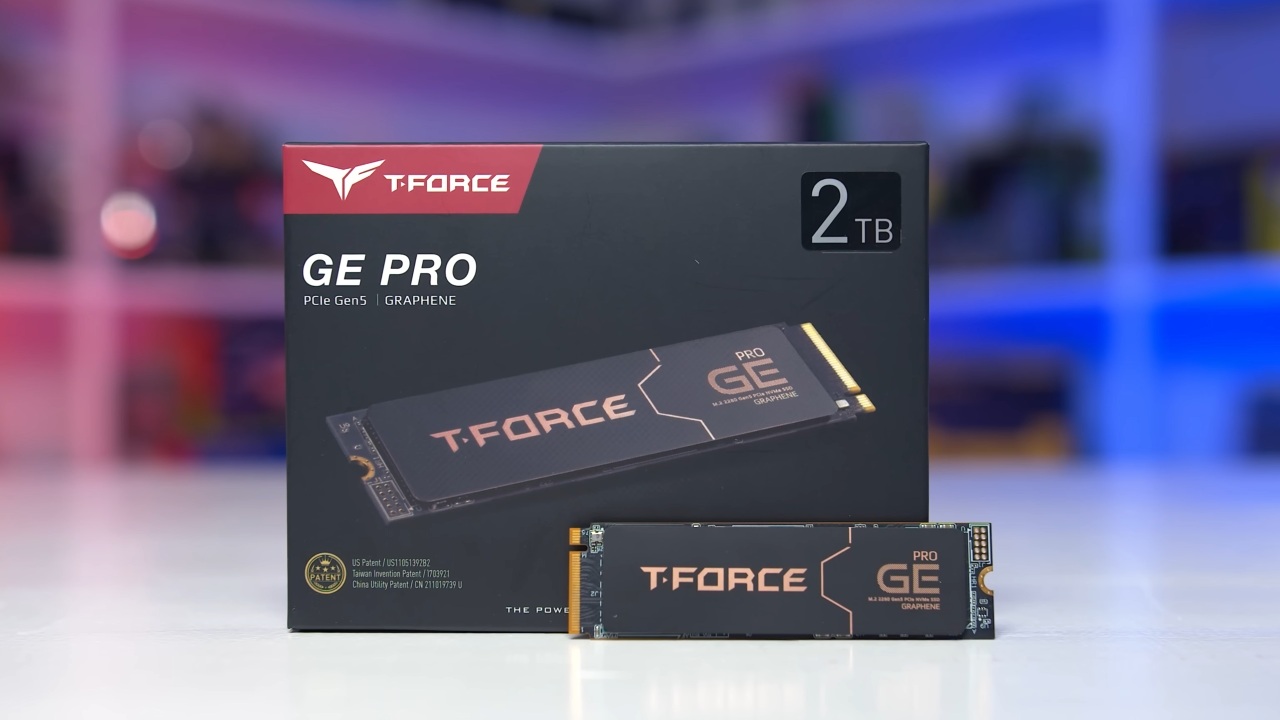
PCIe 4.0: The Current Sweet Spot
For the majority of gamers, PCIe 4.0 is the perfect choice in 2025. Doubling the bandwidth of PCIe 3.0, these drives achieve up to seven gigabytes per second in sequential performance. More importantly, they provide smoother streaming in modern open-world titles that constantly load assets in the background. Games like Forspoken and Ratchet & Clank: Rift Apart clearly show the advantages of PCIe 4.0 when paired with DirectStorage, as textures and environments load seamlessly without noticeable delay.
The cost of these drives has dropped significantly, making them only slightly more expensive than PCIe 3.0, yet they deliver performance that feels more future-ready.
PCIe 5.0: Impressive Speeds with Limited Benefits
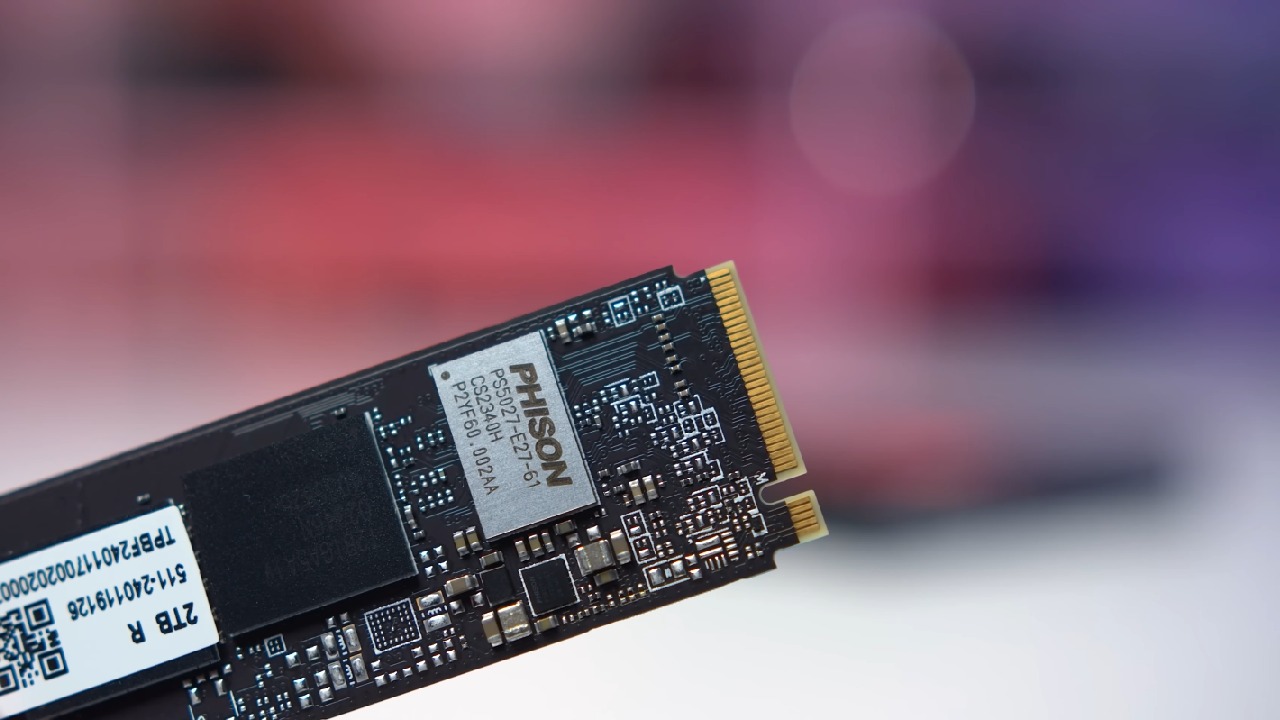
With speeds exceeding 12 gbps, PCIe 5.0 SSDs are the most recent additions to the market. Although this performance level is remarkable on paper, gaming does not yet fully utilize this bandwidth in practice. Since PCIe 4.0 is rarely pushed to its limits by current titles, PCIe 5.0 gives little more than a second or two faster loading times.
These drives are expensive and have a tendency to operate hotter, necessitating the need of additional cooling solutions. In 2025, PCIe 5.0 will still be more of a luxury than a need for gaming, but it offers significant benefits for professional tasks like 8K video editing and complex rendering.
SATA SSDs: Falling Behind in Modern Gaming
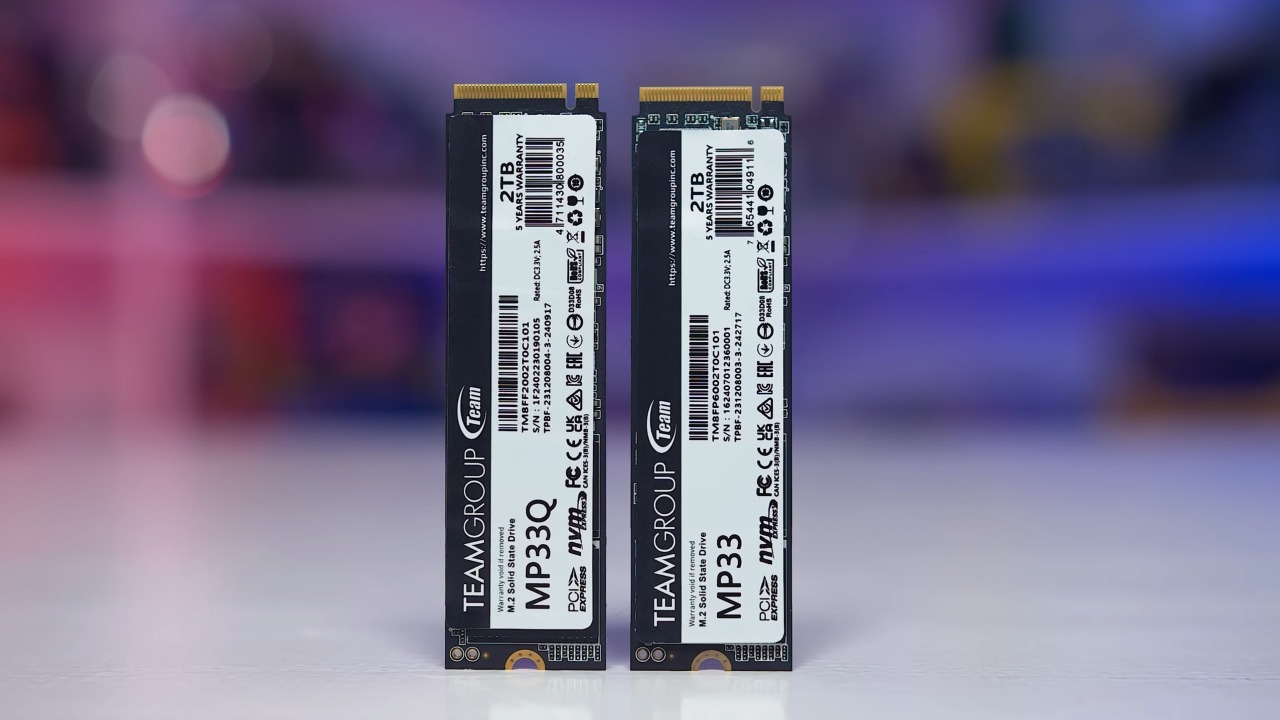
Gaming was previously transformed by SATA SSDs, which took the place of the excruciatingly slow mechanical hard drive. At the time, they provided significant gains with speeds of about 500 megabytes per second. But by 2025, SATA SSDs are rapidly going out of style.
While they are still usable and much faster than hard drives, the gap between SATA and NVMe technology is increasingly evident in load times, asset streaming, and system responsiveness. They remain a cheap option for secondary storage, but as a primary gaming drive, they no longer provide the fluid experience that modern titles demand.
HDDs: No Longer Suitable for Games
For dedicated gamers, hard disks are no longer any discussion point. Slow read speeds caused by their mechanical design frequently result in stuttering, texture pop-in, and excruciatingly lengthy load times. A hard drive may take several minutes to load demanding titles, whereas an SSD may finish the job in a matter of seconds.
While they continue to serve well for bulk storage of media, backups, and non-performance-sensitive data, they have become a relic of the past when it comes to running modern games.
Benchmark Results and Real-World Performance
Testing across a range of titles highlights the practical differences between these storage types. In Cyberpunk 2077, a PCIe 4.0 SSD loads a save in about eleven seconds, while PCIe 3.0 completes it in fourteen seconds.
The difference is noticeable but not game-changing. SATA SSDs, however, take over twenty seconds for the same task, and a traditional hard drive pushes the wait to nearly a full minute. Similar patterns appear across modern open-world games, where NVMe drives shine by enabling seamless gameplay without asset streaming issues.
While PCIe 5.0 shows incredible numbers in benchmarks, the real-world difference over PCIe 4.0 is marginal at best in current titles.
Key Takeaways
PCIe 4.0 SSDs are obviously preferred in the 2025 gaming storage market. For most players, they are the greatest option since they provide the finest blend of speed, cost, and accessibility. For low-cost systems, PCIe 3.0 is still dependable and adequate, but as games continue to get bigger and more complicated, its future appears to be uncertain. Although PCIe 5.0 is beautiful, it feels more like a demonstration of what can be done than a requirement for contemporary games.
Hard drives are more suited for storage than gaming, and SATA SSDs are still usable but out of date. In 2025, PCIe 4.0 is still the undisputed leader for gamers who want to get the most out of their gaming experience without going over budget.
Also, check our other hardware articles:
- AMD Ryzen 9 9950X3D Review: Setting The Standard For 2025 Gaming CPU
- Amazon Luna 2025 Review: Is Prime Gaming's Cloud Service Your Go-To For Casual Fun?
- AMD RX 9070 XT Review: AMD's RDNA 4 Champion for 1440p Gaming
- GeForce Now Ultimate: Ditching Your Gaming PC For Cloud RTX 4080 Power?
- NVIDIA GeForce RTX 5080 Review (2025): Still A 4K Gaming Powerhouse?
- Intel Core Ultra 9 285K Review And Performance Breakdown (2025)
- AMD Ryzen 7 9800X3D Review: 3D V-Cache Goes God Mode with Stunning Gaming Performance
- Intel Core Ultra 9 285K vs AMD Ryzen 7 9800X3D: In-Depth Gaming Performance and Benchmark Comparison
- NVIDIA GeForce RTX 5080 Super Performance In Cyberpunk 2077: Path Tracing & DLSS 4.0 Tested
- RTX 5090 Performance Testing In GTA 5 – 1080p, 1440p, and 4K Max Settings Benchmark
- AMD Radeon RX 9070 XT In Cyberpunk 2077: Ray Tracing & FSR 4.0 Tested
- Intel Arc B580 Review: The $250 GPU Revolutionizing 1440p Gaming
- Intel Arc B570 Vs. B580: Value, Specs, And Real-World Gaming Performance
- Intel Arc B570 Review: Efficient Xe2 Performance At An Affordable Price
- RTX 5090 Laptop Vs. M4 Max MacBook Pro: Ultimate Raw Performance Vs. Battery Endurance
- Intel Arc b580 Vs. RTX 4060: Game Performance And Value Analysis
- RTX5090 Hell Is Us Demo 4K Ultra Benchmark: DLSS Vs. Native Performance Guide
- NVIDIA RTX 5070 Review: Mid-Range Muscle or Marketing Hype?
- Nintendo Switch 2 Review: Handheld Performance, Features & Value Breakdown
- RTX 5070 Ti Review: Performance, Thermals & Power Efficiency Tested
- Samsung Odyssey OLED G81SF Review 2025: Ultimate 32-Inch QD-OLED Gaming Monitor
- AMD RX 9070 Performance Review: Thermals, Clocks, and Real-World FPS
- AMD Ryzen 5 7600 Review: Best Budget Gaming CPU of 2025?
- AMD Radeon RX 7800 XT Review: RDNA 3 Power For Midrange Gaming
- Asus ROG RTX 5090 Astral OC Vs. Founders Edition: The 4K Gaming Benchmark
- ASUS ROG Astral RTX 5090 OC Edition Review: 32GB GDDR7 & 4K Gaming Benchmark
- Intel Core i5-13400F Gaming Performance: Still Worth It in 2025?
- ASUS GeForce RTX 5090 LC Liquid Cooled GPU Review: Unmatched Silence & Speed
- ASUS ROG Ally X Handheld Review: Double the Battery, Double the Comfort
- Lenovo Legion Go S Review: The Ultimate Steam Deck 2 Alternative
- Sapphire NITRO+ AMD Radeon RX 9070 XT Review: The Ultimate 4K Gaming GPU
- Alienware 16 Area 51 Review: The Ultimate 2025 Gaming Laptop
- Alienware Area-51 Review: Unmatched 4K, Thermal, and Acoustic Performance
- AMD Ryzen 7 7800X3D: Delivers Gaming Performance Far Beyond Expectations
- AMD Ryzen 9 7900X Review: Powering the AM5 Era with DDR5 & PCIe 5.0
- Intel Core i9‑14900K vs. AMD Ryzen 7 7800X3D: Power Profiles & Gaming Benchmarks
- Intel Core i9 14900K: Specs, Benchmarks, and Competitor Comparison
- ASRock Radeon RX 7800 XT Challenger OC Review: Best Price-to-Performance GPU of 2025
Senior Editor, NoobFeed
Gaming Hardware Updates
No Data.