
Valve Steam Machine Set for Summer Launch, Price Expected to Exceed $1,000
Everything you need to know about the Steam Machine's launch timeline, verified program, and why the price tag is about to spark some serious controversy.
News by Adeela Tas on Jun 06, 2026
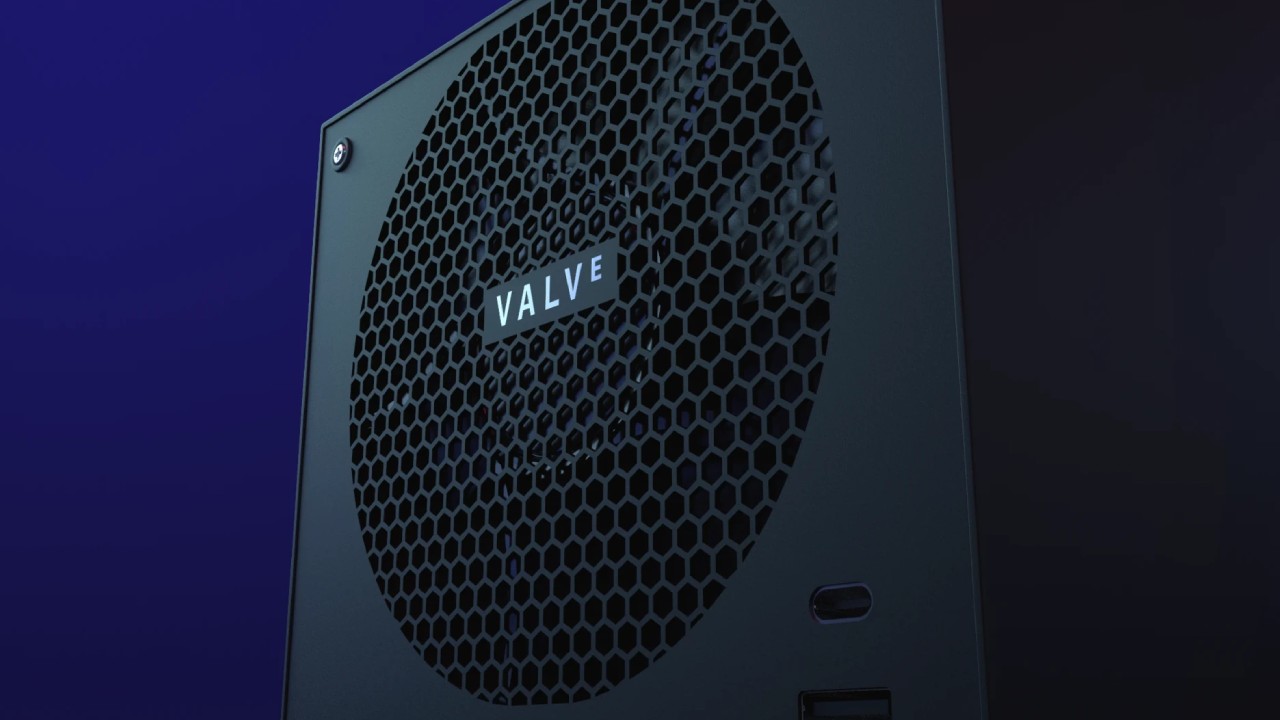
Valve has officially confirmed a release window for the Steam Machine, and it's coming this summer. Along with that announcement, there's a wave of new details directly from Valve about how the device will be supported, what the verified program is going to look like, and what to expect from the broader ecosystem around it.
A prominent industry leaker has also weighed in on the price, and if you were hoping for a budget-friendly entry point into Valve's living room hardware, you might want to sit down for this one. So let's start with the verified program, because Valve dropped some significant information on that front. The Steam Machine is now being folded into the existing Steam Deck Verified program.
This means developers and players will already have a familiar framework to work with.
Valve's official word is that the Steam Machine and the Steam Frame are both shipping this summer, and the verified program is expanding to cover both devices. The goal, as Valve describes it, is to help you understand the out-of-box experience for any given title on these new devices, basically, how well a game runs without you having to dig through settings or do any manual configuration before it feels playable.
The Steamworks site has been updated with details on how developers can optimize their titles, what the requirements for verification actually are, and what best practices look like when developing for these devices. If your game already runs well on the Steam Deck, Valve says it'll run just as well on it with zero extra work needed from the developer's side.
And if a game doesn't hit the performance bar on Deck due to CPU or GPU limitations, Valve is already running independent tests on those titles. That's a reasonable approach, and it does take some of the pressure off developers who've already put the work in for Deck compatibility. Tens of thousands of Steam titles have already gone through the verified program, so the transition is meant to feel seamless for everyone involved.
That said, the verified label has a bit of a credibility problem that's worth addressing honestly. The Steam Deck Verified program hasn't always been the most reliable indicator of real-world performance. Games like Spider-Man 2 and Dead Space Remake were carrying that verified badge around their launch windows while clearly not delivering a stable 30 frames per second.
If this new hardware is being held to the same baseline, a consistent 30 fps at default settings, that's going to raise some eyebrows.
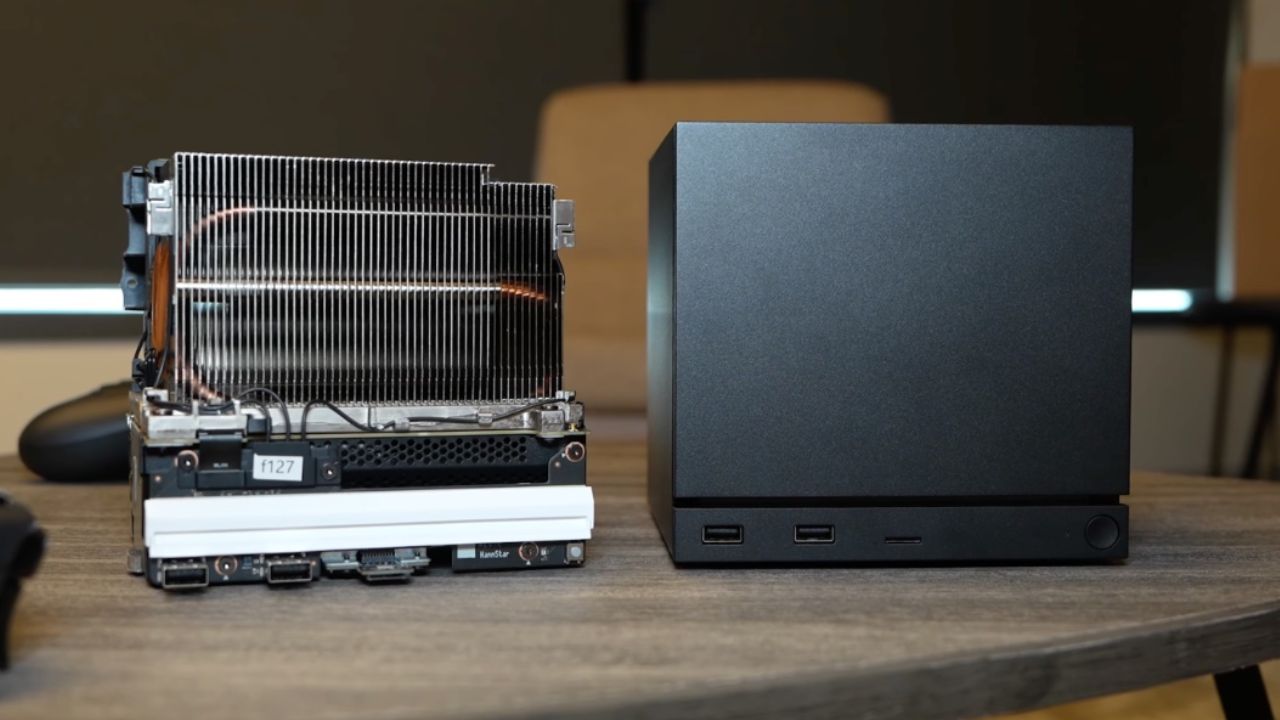
Especially given that this is hardware that's roughly six times more powerful than the Steam Deck. You'd expect the bar to get raised to match the hardware, not just carried over from a handheld. And that gap in expectations is where things get a little complicated. The Steam Machine is a full PC running SteamOS, designed to sit in your living room and handle your entire Steam library the way a proper home console would.
Most people buying this hardware aren't going to be satisfied at 720p or even 1080p; they're going to want 1440p, ideally 4K, with upscaling technology to back it up. That is a fundamentally different context from the Steam Deck, and the verified standard needs to reflect that difference.
If people start discovering that a "verified" game needs to be dropped to 800p just to hit playable frame rates, that's going to be a frustration point that damages trust in the label pretty quickly. PlayStation 5 games already drop resolution in performance mode all the time, of course, and upscaling has become a standard part of how modern console games are delivered.
It will almost certainly lean on that same approach with Proton handling a lot of the heavy lifting. But expectations still need to be set honestly upfront, not buried in fine print after someone already spent over a thousand dollars. The Steam Frame is also part of this summer launch and is worth touching on briefly.
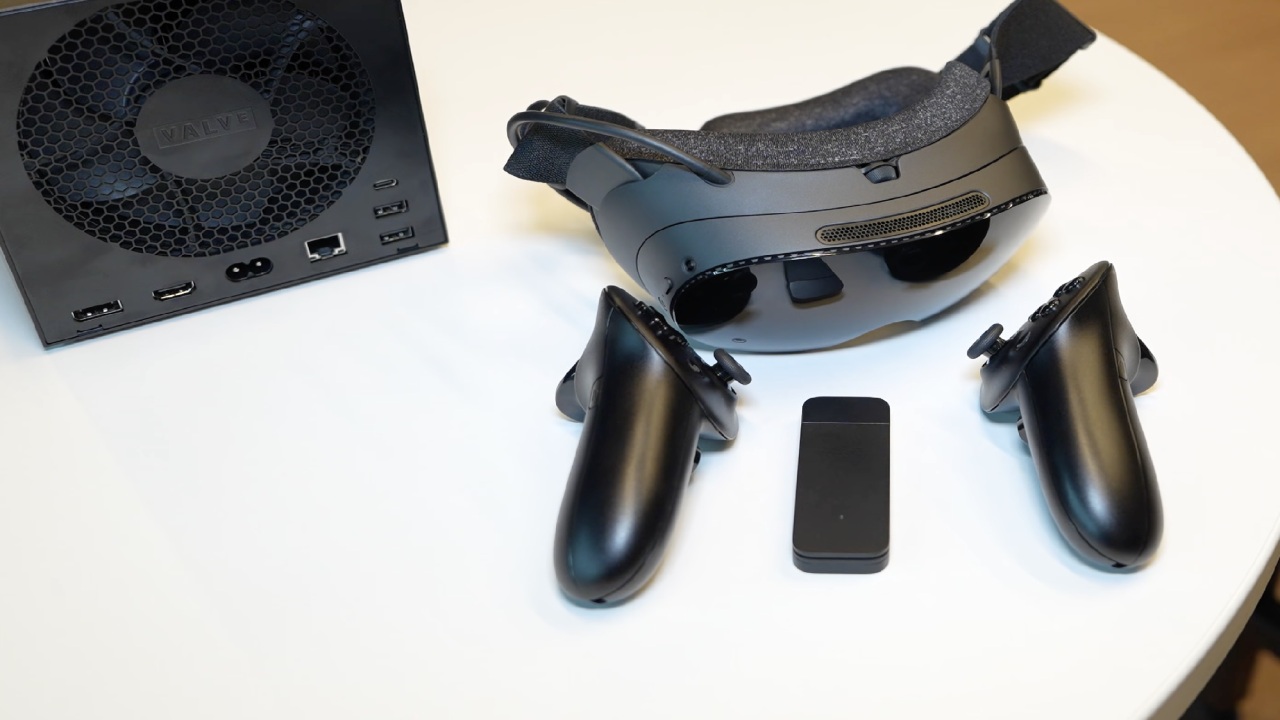
It's built for high-quality game streaming from a PC, but it also runs SteamOS natively and can handle games entirely standalone without being connected to anything else.
For VR players who are already deep in the Valve ecosystem, that's probably a compelling option. For the average person, it's more of a side note. Now, the part everyone's actually been waiting for is the price. The Steam Machine's price point is reportedly nowhere near where it was originally planned to be. That's not a huge surprise given the current state of the global hardware market, but it does paint a clear picture of what you're likely facing.
The Steam Machine is widely expected to land above $1,000, and there's a real possibility it pushes past what the PS5 Pro currently sits at, which is $900. Put that next to a PlayStation 5 Digital at $600 or the disc version at $650, and on paper it's a tough comparison to make without wincing a little. Valve isn't trying to win a traditional console war with this device, and it's not being positioned as a mass-market product for casual buyers.
It's built for people who are already deep into the Steam ecosystem, who have hundreds or thousands of games in their library, and who want a clean, couch-friendly way to play them without building or maintaining a full gaming PC setup. That's a narrower audience by design, and the company seems to understand that clearly.
The idea that it should be selling this at a loss to drive broader adoption doesn't really hold up when Steam doesn't need to desperately pull people into its ecosystem; it already has one of the largest and most established ones in all of gaming. Selling hardware at a loss made sense for PlayStation and Xbox during the peak of the console wars, when both platforms were fighting for survival and needed every possible edge to build audiences from scratch.
The company simply isn't in that position; Steam is already the dominant PC gaming storefront by a significant margin.
And Valve's hardware is an enthusiast product for the most committed segment of that audience, not a survival move for the platform. So pricing it in a way that doesn't require Valve to absorb losses is a defensible decision, even if the optics sting when you put it next to console prices.
What's more realistic is that this first version of the Steam Machine functions as a learning experience as much as a commercial product. The company gets real-world data on how people actually use it, what the complaints look like, what the performance ceiling feels like in a proper living room setup, and then they take all of that and build something better the second time around.
Hardware prices aren't going to stay this elevated indefinitely, and a second-generation release with improved specs, a more competitive price, and the benefit of real user feedback in a healthier economic climate is a much easier sell to a much wider audience.
The first version is still going to move units regardless, because there are enough dedicated Steam users with disposable income who will buy it on launch without a second thought about the cost. That's just how enthusiast audiences work. So if you've got a gaming PC or a current-gen console that's still holding up, the smart move is probably to hold onto it for now.
Hardware costs are not coming down in the short term, and unless you're fully committed to bringing Steam into your living room and have the budget to back that up, waiting to see what the second iteration of the Steam Machine looks like might be worth it. But if you've been waiting years for Valve to make this move properly, this summer is your window; just go in knowing exactly what you're paying for.
Editor, NoobFeed
Related News
No Data.