
Steam Machine Pricing Rumors Point to $500 to $1,000 Range Amid Ongoing Speculation
Valve’s evolving hardware strategy and unstable memory markets are shaping speculation around the Steam Machine’s final retail cost.
News by Tanvir Kabbo on May 24, 2026
One of the biggest subjects of discussion in the gaming hardware world is the search for the official pricing of the Steam Machine. Speculation has divided audiences between database-based leaks indicating a high-end price and analyst estimates suggesting a much lower entrance point. And now the talk has morphed into a pricing war, since signals from multiple sources are mixed about what Valve would actually charge at launch.
At the moment, there is a disagreement between two broad interpretations of available clues. One side of the community believes that Steam database entries imply a far higher price ceiling. In contrast, the other side considers that past Valve pricing and component analysis indicate a much more accessible range. Both views use different types of evidence, but both lack a verifiable number from Valve itself.
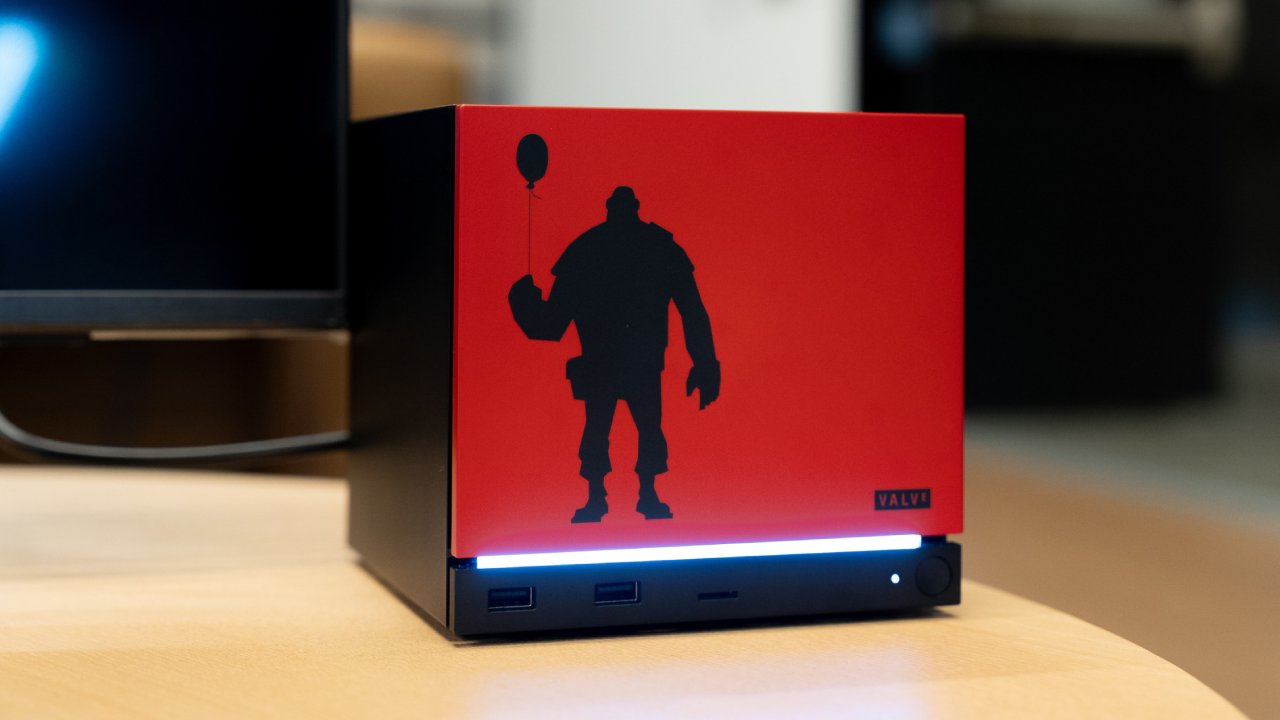
The first clue was when users looking through the Steam database saw a comma formatting marker next to a "thousands" mention. This prompted the conjecture that the pricing system may be set up for four-digit numbers, possibly at $1,000.
This idea immediately propagated through discussions with many saying it could be a premium bundle setup. One possibility being floated is a bundle including the Steam Machine and Steam controller, where the bundle's convenience might factor into the final cost.
But the formatting indicators in backend systems don't always match the ultimate consumer price exactly. These markers can also provide flexibility in the price architecture, particularly when dealing with different SKUs or regional formats.
A premium package close to $1,000, less peripheral costs like a $100 controller, would bring the standalone system closer to the $900 range for greater storage options.
From this point, a stepped-down model with less capacity might be roughly $800.
Only two primary storage configurations are envisaged; tiers may be priced reasonably close to one another. It's the most consistent structure, with a $100 difference across models, and part of the reason is the ease of production and logistics. In terms of structure, the previous handheld product lines had three storage layers.
The other big driver of speculation is the volatile world of RAM and storage costs. There have been a number of cycles of prices rising and falling in the memory markets, which have made it hard for producers to estimate prices in the longer term.
The popular perception of this change is that Valve is introducing some flexibility into its pricing plan. This would provide the flexibility to make quick modifications if component costs change unexpectedly. Such a system might be a contingency mechanism to support the financial viability of hardware, even in the face of strong market upswings.
The pricing system here is more flexible and less tied to a retail price in order to accommodate adjustments due to supply chain restrictions.
The most common guess is that the Steam Machine will cost between $500 and $700. That range is based on expected component costs and Valve's track record for pricing previous hardware launches.
Internal hardware costs have also been detailed with the system's build costing in the mid-$400s, depending on how components are purchased. Potentially, this might be scaled out with additional expenditures, assembly, and the like of loss-leading methods.
In this context, a $500 starting point is seen as an aggressive subsidization plan, and a range of $600 to $700 is more viable in the current market situation.
The Steam Machine doesn't seem to be trying to compete directly with the major consoles or the top-end gaming PCs. Rather, it is being pushed as a method to get into the Steam environment and as a supplemental system for existing PC users.
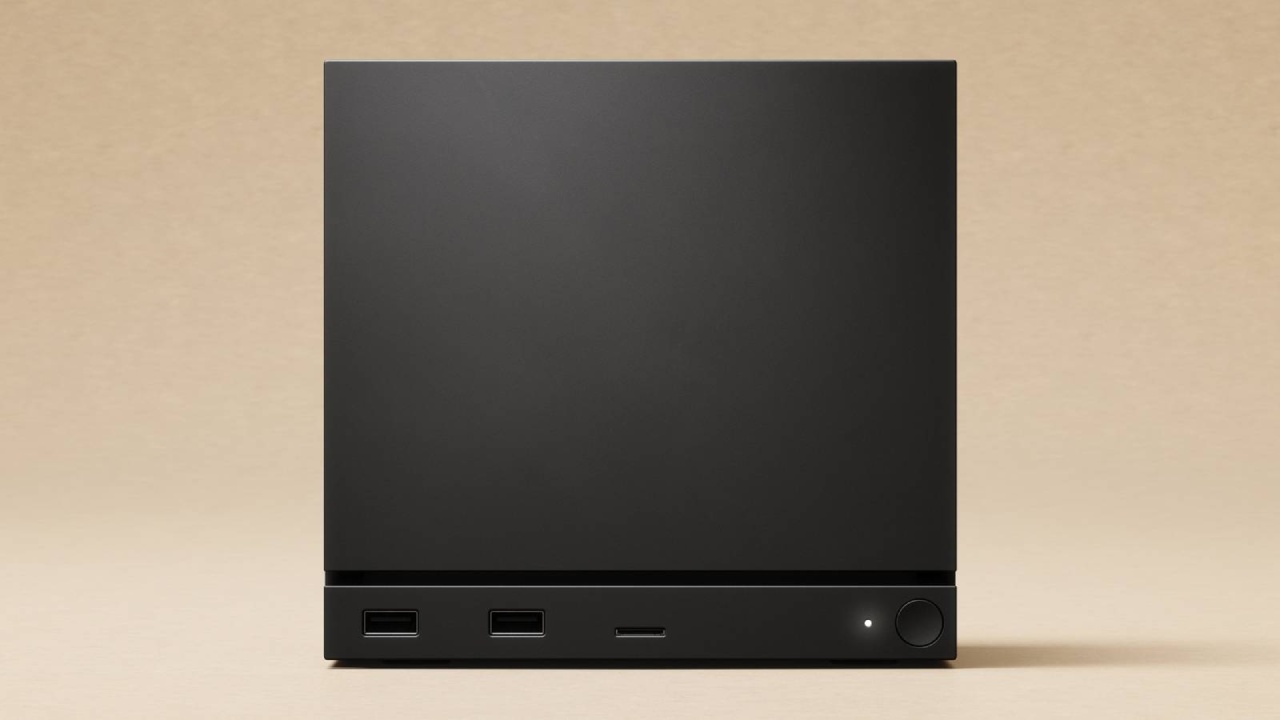
This stance has an outsized effect on expectations for prices. More likely, a mass-market console competitor would need to be distributed in a wider range of retail locations, while the Steam Machine is meant to be sold almost exclusively through the Steam ecosystem.
That distribution model means a narrower, more focused audience than a broad console replacement strategy.
Historically, Valve has stuck to a value-driven pricing strategy for its hardware launches.
Things like the Steam Deck were created to lower the barrier to entry for PC gaming, not to increase short-term hardware profits.
That same mentality seems to be driving expectations for the Steam Machine. Pricing in the $600-700 range is considered good value for the hardware and accessible to new entrants to the ecosystem.
Total expenses can rise dramatically, depending on the GPU choice and system design, compared to assembling a similar system from individual PC components. A comparable mid-range custom build with similar performance attributes might easily cost over $1,000, depending on market conditions and component availability.
For those who don't want to go through the hassle of creating their own PC, a fully configured Steam Machine constructed and optimized at a reduced price would be a viable option.
The debate about Steam Machine cost is still very much alive, with estimates ranging from $500 for entry-level machines to $1,000 for bundle rates. The database design features top-end flexibility, but cost analysis and history indicate a relatively modest pricing structure. Valve's approach suggests a more restrained price model.
Component markets are still volatile, and unless we have formal confirmation, the ultimate price will most likely be a compromise between hardware prices, ecosystem strategy, and market positioning in the wider gaming space.
Senior Editor, NoobFeed
Related News
No Data.