
Steam Machine Shipments Begin as Valve Struggles with Pricing Strategy and Market Position
Valve accelerates Steam Machine rollout as internal shipments signal an approaching launch window amid ongoing hardware pricing challenges.
News by Tanvir Kabbo on May 04, 2026
There is growing momentum behind Steam Machines, with new developments hinting at an official launch closer than originally thought. Recent movement regarding hardware deliveries and internal debates indicates that Valve is preparing to move to the next stage of its Steam hardware platform. Meanwhile, pricing issues driven by component costs are making some major decisions go under the radar.
It can only be credited to SadlyItsBradley, who then breaks down some critical developments surrounding Valve's hardware endeavors. The most recent finding suggests that large shipments labeled as game consoles were delivered directly to Valve's offices. Unless they are totally unrelated devices, the evidence strongly suggests that Steam Machine units are already in circulation within the company.
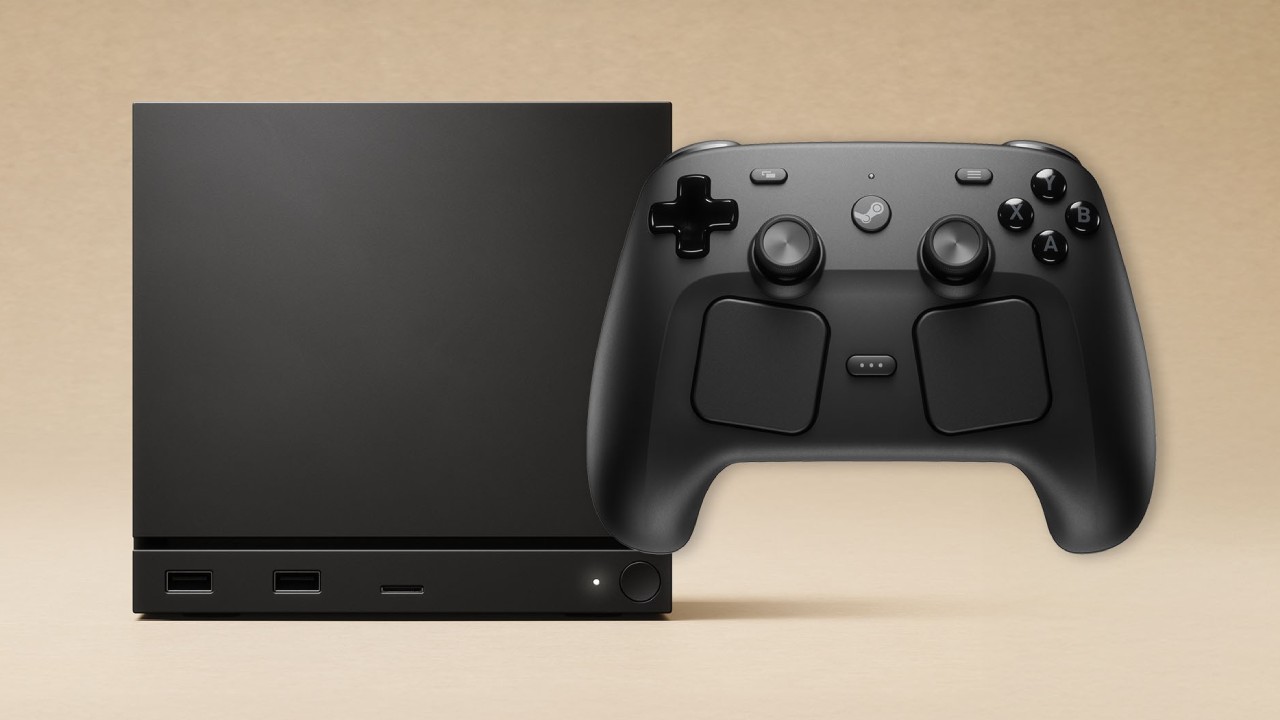
Analyzing how things went with the Steam Controller makes it all the more obvious that the rollout process has already begun. The controller appears to have prepared the ground for broader hardware implementation, which further supports the expectation that an official announcement is not far off.
Although its previous announcements indicated staggered releases, recent events suggest that Valve might be moving toward a more coherent hardware strategy.
The daily experience of using SteamOS reveals a few thorns in the flesh that, hopefully, will be removed with the Steam Machine.
The most glaring issue is that no controller can boot the system, which makes a keyboard-and-mouseboard setup unlikely. The other ongoing disadvantage is that the system is often known as a Steam Deck, which affects in-game settings.
You can't change the presets in other games, including Lords of the Fallen and Metal Gear Solid: Snake Eater. They are linked to Steam Deck profiles. You can modify these parameters in other ways, such as using launch commands. Still, they don't always function, which makes the experience less fluid.
These are relatively small issues, but they highlight the need for a more refined, dedicated platform—something the Steam Machine is expected to deliver.
The Steam Machine is not a living room device. It also introduces a more customizable desktop option to other settings. This combination with a 1440p display will achieve a balanced performance goal that relies on no upscaling technology, yet still delivers strong visual performance.
The use of the system for productivity activities, including Blender workflows, as well as for games, is of clear interest. This flexibility aligns with Valve's overall vision: combining console convenience with PC-level flexibility, particularly for users who prefer a more streamlined, all-in-one solution.
The most complex problem Valve faces is pricing. According to Mike Straw's reports, the company's initial aim was to make the Steam Machine cost less than 800 dollars, preferably between 700 and 750 dollars. Nevertheless, those plans are being complicated by ongoing challenges, including rising RAM costs and supply chain instability.
The main argument here is whether Valve should sell the device at a loss and, if so, what amount of the loss is permissible. The existing market being compared with custom-built PCs within the price ranges of $900 to 1100 is a big challenge. If pricing is too high, the value proposition becomes quite weak.
.jpg)
Hardware sales losses are not a recent phenomenon, particularly in companies that depend on the platform.
In the present instance, it is simple to argue that Valve can recoup costs by selling software on Steam. Although there are alternative storefronts such as Epic Games, GOG, and others, user behavior consistently favors Steam due to its convenience and ecosystem benefits.
Over time, component costs would stabilize, and the cost of selling at a loss would decrease. What is more important is launching the Steam Machine as soon as possible, not later, to keep consumers excited and relevant in the marketplace. Any delays may lead to loss of interest, particularly in such a dynamic hardware environment.
As shipments are already underway and supporting hardware, such as the Steam Controller, is being rolled out, it is evident that the Steam Machine is nearing a critical launch window. The platform itself is mostly prepared, with only slight adjustments that require changes on the software level.
Finally, the choice is reduced to time and cost. Having the device in users' hands as quickly as possible, even at a temporary loss, might help Valve solidify its presence in the emerging PC-console hybrid space. The more time you spend waiting, the greater the risk of losing momentum in a market that hardly stands still.
Senior Editor, NoobFeed
Related News
No Data.