
Steam Machine Price Update: New Estimates, No Cancellation, SteamOS Driver Gains
Hardware cost fluctuations influence launch projections without derailing Steam Machine development roadmap.
Hardware by Shinji Okazaki on Feb 27, 2026
There are new price estimates for the Steam Machine because RAM prices are still fluctuating. People are worried about the cost and availability of gear, leading to rumors of delays and cancellations.
At the same time, a major graphics driver update for SteamOS might improve ray tracing performance across all supported devices, such as the Steam Machine and Steam Deck.
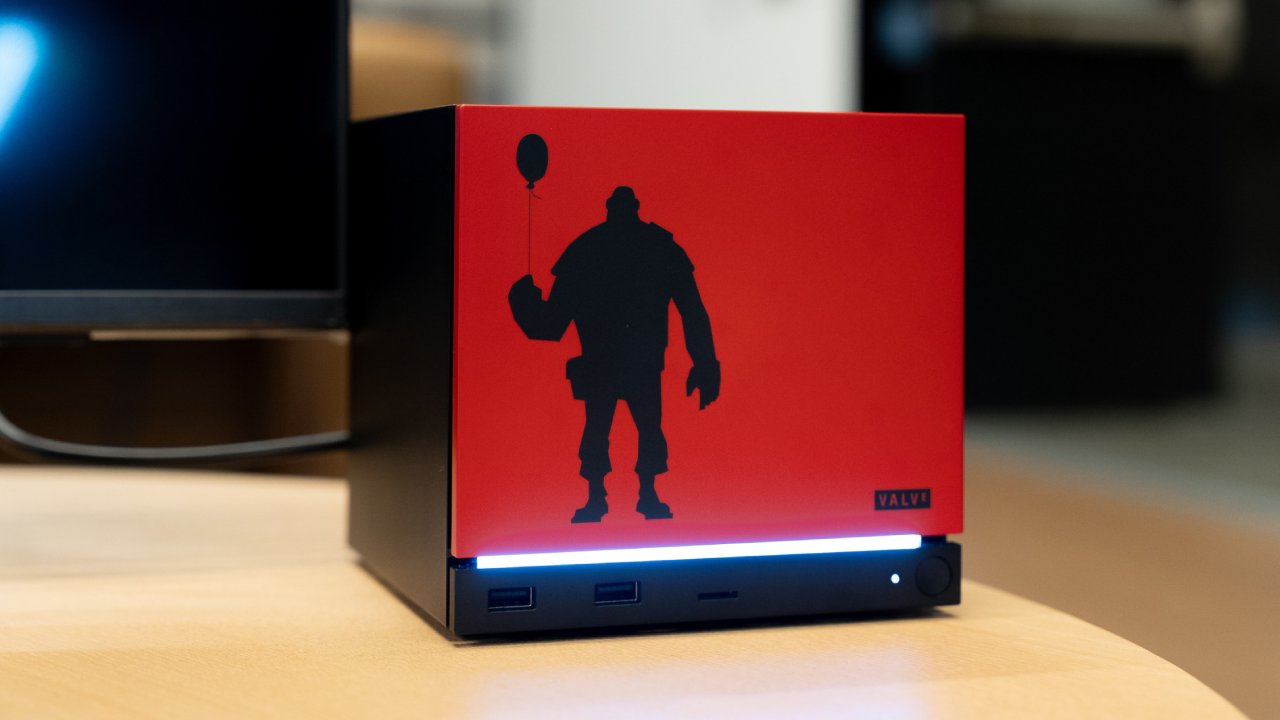
Updated Estimates on the Price of the Steam Machine
We all know what's going on with the RAM issue, and many sources are calling it a crisis. Every few months, a new problem is said to be the end of gaming. After that, the cycle goes on. This is the same pattern again.
Some people think the Steam Deck OLED will never return. That is not likely. It's more likely that supply changes are being made to keep prices the same rather than raise them late in the product cycle, especially since the Steam Deck 2 is coming out soon.
After reviewing the costs of the parts and previous estimates based on what Moore's Law Is Dead said, Valve's original estimate was approximately $425 before prices went up. That made it seem like the 512GB version would come out between $500 and $600. Given the rising cost of RAM, the 512GB model is now expected to cost between $650 and $700, and the 2TB model is expected to cost around $800.
The CPU and GPU are not the main factors driving up costs. Valve is said to have gotten good prices on parts that are similar to PlayStation 5-level hardware, which is now a few years old. The current GPU shortage mostly affects higher-end models like the 5080 and 5090, not consumer gear.
The biggest problem is the RAM. Because of size limits, laptop RAM has always been more expensive than desktop RAM. Recent price hikes add about $150 to $200 to the system's total cost, putting the biggest pressure on prices.
SSDs have also risen since their recent lows, but costs are often close to MSRP right now. Since the PlayStation 5 launched, demand for SSDs has increased, though prices have fallen over time. Even smaller 2230 drives have lost significant value over time. SSD prices are higher than they were a few months ago, but they are not the main reason for the overall price rise.
The system is still in a competitive price range at $750 to $800. When prices exceed $1,000, better-performing PCs become available, making it less appealing. Valve should be able to stay below that level.
Why the Steam Machine is Not Likely to Be Canceled
There is a lot of talk regarding the possibility of cancellation. But it's unlikely the Steam Machine will be thrown away. We need to separate stories based on online participation from those based on real-life creation.
Steam Machine's main job is to help SteamOS expand. Valve makes a lot of money from Steam itself. Hardware is a way to get more people to use SteamOS and fewer people to rely on Windows in the long run. The idea goes back to concerns from the Windows 8 era, when stricter app ecosystem regulations raised concerns about access to the platform.
SteamOS is a way to protect yourself. If Windows were to modify how it distributes software or focus more on AI infrastructure, Valve would already have a different ecosystem ready to go. Steam Deck's success showed that low-end hardware can pique people's interest in gaming on Linux.
We witnessed the same kind of growth with the ROG Ally and Legion Go. A Steam Machine would probably follow the same model: set up a reference system, get third-party developers to use it, and create the operating system ecosystem.
The first batch of inventory is already made. The bigger worry would be keeping the supply at the target price over time. Valve probably wants to avoid a situation like the temporary shortages of Steam Deck OLEDs that occurred due to price changes.
There is still a chance of a delay, depending on how the parts are expected to behave, but a full cancellation seems improbable. It wouldn't make sense to give up on the hardware endeavor after spending a lot of money on building SteamOS and related technologies.
.jpg)
Improvements to the New Mesa Driver and Ray Tracing
The newest Mesa driver version is a big step forward in terms of technology. Valve engineers helped improve ray tracing on AMD hardware, and early tests show it does.
Ray tracing performance improves in games like Indiana Jones and Borderlands 4, which had problems before with recent Mesa releases. In demanding games, the advantages mean the difference between 25 and 30 fps.
Ray tracing is now required in many new games, such as Doom Eternal, Indiana Jones, and Star Wars: Outlaws. Forced ray tracing puts a lot of stress on lower-powered hardware like the Steam Deck. Any driver-level optimization directly affects how well the game performs in real life.
Valve engineers worked on the project, so it shouldn't take long to add it to SteamOS. Previous versions, like SteamOS 3.5, spent a long time in beta. Still, the update pace has picked up, likely in preparation for additional hardware support.
Final Thoughts
Hardware prices change all the time. Prices for RAM, SSDs, and GPUs fluctuate in cycles. The price of the Steam Machine has probably gone up, but it is still in a reasonable range.
We should pay more attention to the big picture. Expanding SteamOS is still a long-term goal. The Steam Machine is part of that plan. You can keep using your current gear while keeping an eye on changes, rather than reacting to short-term changes.
Also, check our other hardware articles:
- AMD Ryzen 9 9950X3D Review: Setting The Standard For 2025 Gaming CPU
- Amazon Luna 2025 Review: Is Prime Gaming's Cloud Service Your Go-To For Casual Fun?
- AMD RX 9070 XT Review: AMD's RDNA 4 Champion for 1440p Gaming
- GeForce Now Ultimate: Ditching Your Gaming PC For Cloud RTX 4080 Power?
- NVIDIA GeForce RTX 5080 Review (2025): Still A 4K Gaming Powerhouse?
- Intel Core Ultra 9 285K Review And Performance Breakdown (2025)
- AMD Ryzen 7 9800X3D Review: 3D V-Cache Goes God Mode with Stunning Gaming Performance
- Intel Core Ultra 9 285K vs AMD Ryzen 7 9800X3D: In-Depth Gaming Performance and Benchmark Comparison
- NVIDIA GeForce RTX 5080 Super Performance In Cyberpunk 2077: Path Tracing & DLSS 4.0 Tested
- AMD Radeon RX 9070 XT In Cyberpunk 2077: Ray Tracing & FSR 4.0 Tested
- Intel Arc B580 Review: The $250 GPU Revolutionizing 1440p Gaming
- Intel Arc B570 Vs. B580: Value, Specs, And Real-World Gaming Performance
- RTX 5090 Laptop Vs. M4 Max MacBook Pro: Ultimate Raw Performance Vs. Battery Endurance
- Intel Arc b580 Vs. RTX 4060: Game Performance And Value Analysis
- RTX5090 Hell Is Us Demo 4K Ultra Benchmark: DLSS Vs. Native Performance Guide
- NVIDIA RTX 5070 Review: Mid-Range Muscle or Marketing Hype?
- Nintendo Switch 2 Review: Handheld Performance, Features & Value Breakdown
- RTX 5070 Ti Review: Performance, Thermals & Power Efficiency Tested
- Samsung Odyssey OLED G81SF Review 2025: Ultimate 32-Inch QD-OLED Gaming Monitor
- AMD RX 9070 Performance Review: Thermals, Clocks, and Real-World FPS
- AMD Ryzen 5 7600 Review: Best Budget Gaming CPU of 2025?
- AMD Radeon RX 7800 XT Review: RDNA 3 Power For Midrange Gaming
- Asus ROG RTX 5090 Astral OC Vs. Founders Edition: The 4K Gaming Benchmark
Editor, NoobFeed
Latest Articles
No Data.