
Unreal Engine 6 to Transform Game Development and the Metaverse
Unreal Engine 6 introduces Verse and scene graph to simplify multiplayer development and improve workflow across interconnected game worlds.
Hardware by Tanvir Kabbo on Nov 25, 2025
Epic's long-term plan for the future of game creation is starting to take shape with Unreal Engine 6. Based only on information available to everyone, the roadmap for UE6 shows that the engine will evolve heavily, influenced by features that are presently being tested in Unreal Engine 5 and the Unreal Editor for Fortnite.
While nothing is final, and plans may change before its expected 2028–2029 release window, the direction being built today points toward significant advancements in coding, interoperability, and the broader metaverse vision.

Projected Timeline for Unreal Engine 6
Tim Sweeney has said the switch to UE6 will start in roughly 2.5 years, meaning the game will come out sometime between 2028 and 2029. This fits very well with the length of time engines have been around. Unreal Engine 4 lasted almost 8 years before UE5 came out. If UE5 takes around the same amount of time, it means that Epic is sticking to a steady development schedule.
Dual Development Paths: UE5 and UEFN
Epic now has two versions of Unreal technology running simultaneously. Unreal Engine 5 is used to make many big games, and the Unreal Editor for Fortnite (UEFN) helps Fortnite's community make more games all the time. Both share the same foundation, but UEFN serves as a live testing ground for new features, workflows, and tools, which eventually migrate to the main Unreal Engine.
UEFN's role is central to understanding UE6, because UE6 will ultimately merge UE5 and UEFN into a single unified engine. Features that begin in UEFN—like Verse and the scene graph—are early demonstrations of what the next generation of Unreal technology will look like.
Verse: A New Way to Build Games
A core pillar of UE6 will be the introduction of the Verse programming language. Verse is built specifically for game development and runs on top of the core engine rather than being compiled directly into its foundation. This enables instant logic updates without rebuilding the engine, including the ability to modify gameplay while the game is running.
We will notice that Verse is designed to simplify multiplayer development. Anyone who has used Unreal's multiplayer systems knows how easily replication logic can get out of hand.
Verse automatically handles complex networking tasks, so developers only need to code the logic once, and it will work the same way on all servers and clients. Its transactional simulation model ensures that things happen predictably, even with millions of transactions.
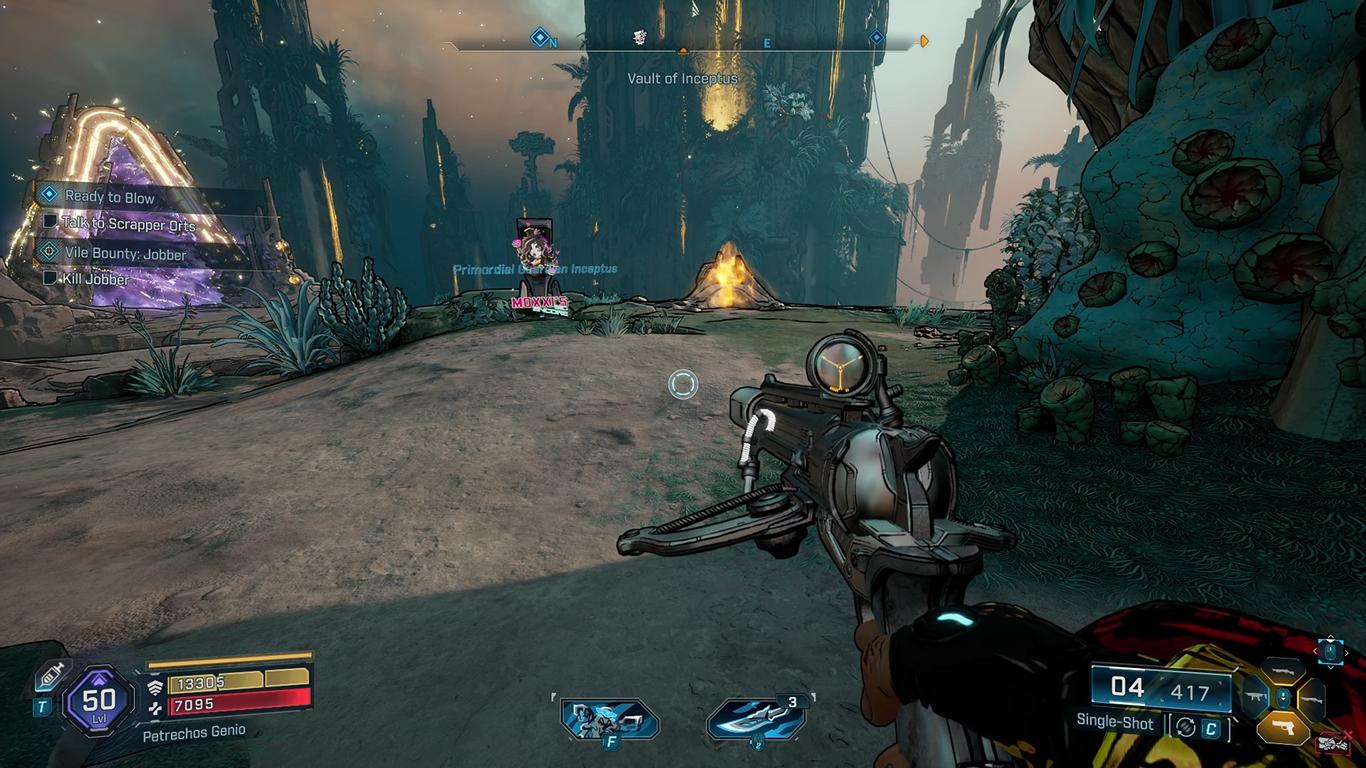
Future of Visual Scripting in Unreal Engine 6
Verse has many great features, but its syntax can still be hard to understand, especially for people used to visual scripting. Blueprints have been a cornerstone of Unreal since UE4, offering an intuitive node-based way to build logic without touching C++.
Epic has already signaled interest in creating a visual counterpart to Verse. A poll sent to UEFN creators asked whether Verse should be represented as nodes or as stacked blocks, similar to MIT's Scratch. We believe a node-based approach would create a smoother learning curve, since the Unreal community is already deeply integrated with node-based workflows across blueprints, particle systems, materials, and procedural tools.
Scene Graph: A More Organized World Structure
Another major UE6 feature is the introduction of a scene graph system. The way Unreal shows the world now can seem inconsistent, with actors, parts, and hierarchies maintained in levels that aren't always clear. The scene graph aims to turn worlds into neat, predictable trees of parent-child objects. It does this by:
- World data that is more organized and easier to work with
- Better performance
- Better compatibility with 3D tools from other companies
Scene graphs are already used in programs like Blender and Houdini. Using a similar structure makes it easier for different applications to work together. It promotes the idea of interconnected 3D platforms in the future.
Epic's Bigger Picture for the Metaverse
Epic's bigger goal is to build a shared 3D ecosystem where people can create, play, and socialize across many connected experiences. Many UE6 technologies support this goal. Epic's approach differs from the metaverse hype of a few years ago because it doesn't depend on VR technology and doesn't follow trends like bitcoin or NFTs. Instead, it concentrates on making it easy to switch between games and social places.
Picture this: you and your pals are playing Fortnite, and you immediately switch from a tactical shooter to an extraction shooter to a social hangout, bringing your clothes, parties, and identities with you. This core, connected to other places, is more like what Roblox offers now, and Fortnite is evolving toward a similar platform with games from many different genres.
Some people say that Epic's Rocket League and Fall Guys might one day become part of Fortnite as integrated game experiences rather than separate games. Fortnite is increasingly becoming a universal launcher where players can access games built with UEFN, UE5, and soon even Unity.
A New Publishing Path for Developers
With UE6, developers will have two primary publishing options:
- Make games that can be played on their own and sold on platforms like Xbox or Steam.
- Publish directly into the Fortnite ecosystem.
If you follow specific rules, you can post UE6 games to Fortnite, where they will be instantly available to millions of players. This makes it easier to reach players without the usual distribution problems.
Epic recently announced that Unity games will be importable into Fortnite as well, further reinforcing Fortnite's evolution into a game ecosystem rather than a single title.
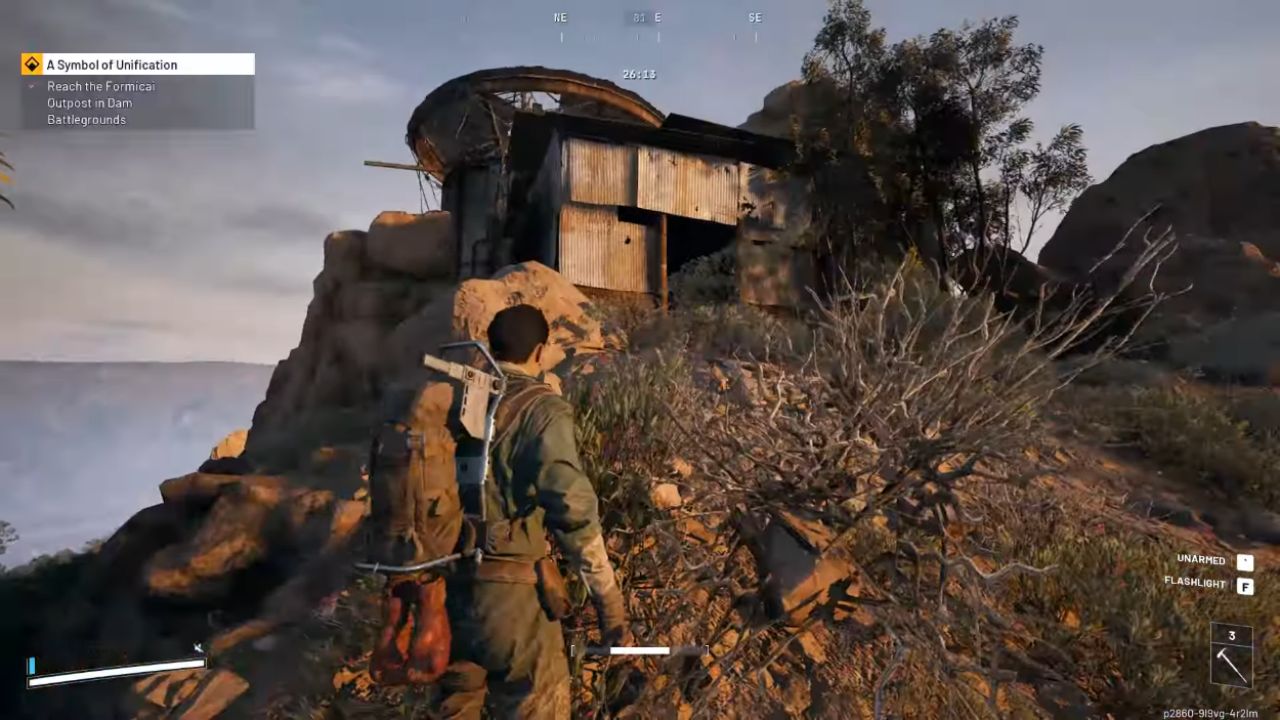
Long-Term Vision: A Persistent Shared Universe
Epic's naming standards, such as Verse for its language and Metahuman for digital people, show that the company wants to create a long-lasting, interconnected universe of experiences. The ultimate goal is similar to what is seen in Snow Crash or Ready Player One, where millions of players explore shared worlds with their own laws and creative styles.
To achieve this, advanced networking technology will be essential. Concepts like server meshing, seen in games such as Star Citizen, allow worlds to scale dynamically by distributing players and objects across interconnected servers. UE6 may incorporate similar strategies to support extremely large shared worlds.
A Look Ahead
UE6 is a mix of the old and the new. It pays tribute to Unreal's past while looking forward to a future that is more connected, adaptable, and scalable. Even if every aspect is still up in the air and could change, it's clear what Epic is trying to do: create a single engine, a new scripting language, better interoperability, and a really connected ecosystem of games and gamers.
If we want to prepare for that future, following the evolution of UEFN and Verse today provides the best preview of what Unreal Engine 6 will eventually become.
Also, check our other articles:
- GeForce RTX 5090 Unleashed: Is NVIDIA's New Flagship the Ultimate 4K Gaming GPU?
- NVIDIA GeForce RTX 5080 Review (2025): Still A 4K Gaming Powerhouse?
- RTX 5090 Performance Testing In GTA 5 – 1080p, 1440p, and 4K Max Settings Benchmark
- RTX 5090 Laptop Vs. M4 Max MacBook Pro: Ultimate Raw Performance Vs. Battery Endurance
- NVIDIA RTX 5070 Review: Mid-Range Muscle or Marketing Hype?
- RTX 5070 Ti Review: Performance, Thermals & Power Efficiency Tested
- Asus ROG RTX 5090 Astral OC Vs. Founders Edition: The 4K Gaming Benchmark
- ASUS ROG Astral RTX 5090 OC Edition Review: 32GB GDDR7 & 4K Gaming Benchmark
- ASUS GeForce RTX 5090 LC Liquid Cooled GPU Review: Unmatched Silence & Speed
- MSI GeForce RTX 5090 32GB SUPRIM SOC Review: Power Efficiency, Cooling, and Gaming Performance
- INNO3D RTX 5060 Ti 16 GB X2 Review: Gaming Benchmarks, Temps, and Power Efficiency
- HP Omen 45L Review: RTX 5090 Performance, Thermals, and Value Analysis
- ASUS TUF Gaming GeForce RTX 5060 Ti Review: DLSS 4, Power Efficiency, and Gaming
- ASUS Prime RTX 5060 Ti OC 16GB Review: DLSS 4, Ray Tracing, & Thermals Tested
- NVIDIA GeForce RTX 5060 Review: Specs, Gaming, and Cost per Frame
- MSI GeForce RTX 5090 GAMING TRIO OC Review: A Monster Power GPU
Senior Editor, NoobFeed
Gaming Hardware Updates
No Data.