
From XP to Jackpots, How Gaming and Online Casinos Share the Same DNA
Other by Arisu Taiaya on Oct 29, 2025
Ask any gamer what keeps them coming back, and the answers sound familiar across genres. Progress that feels earned, rewards that pop at the right moment, and a loop that respects your time. The same design instincts now define much of modern online entertainment.
Look closely at today's most played video games, and you will spot the very patterns that power leading casino platforms.
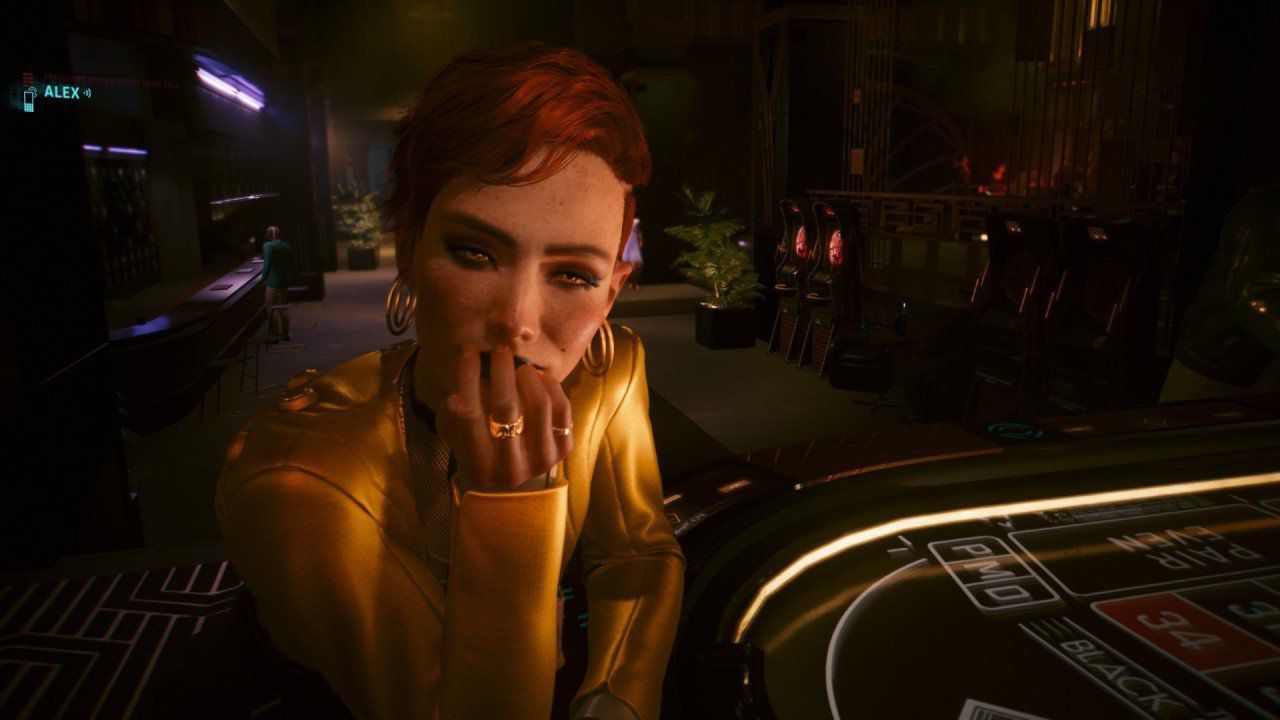
The feedback loop that makes sessions fly by
Great games are built on tight loops. You complete a task, receive feedback, and unlock the next step. That cycle is snappy, making short sessions feel satisfying rather than half-finished. The formula appears everywhere, from action RPGs to cosy life sims. It also shapes how people experience digital titles designed for quick, fun play.
Many players now explore the best online casinos to experience the same level of excitement, interactivity, and design innovation found in today's most popular video games. The appeal is not only about outcomes. It is the way clear feedback, clean UI, and steady novelty combine to create flow.
The essential loop looks like this:
- Clear goal
A mission, a level, a feature to unlock. - Immediate action
Input feels responsive with simple choices. - Crisp feedback
Visual and audio cues confirm progress. - Meaningful reward
A milestone, collection piece, or feature trigger. - New path unlocked
Players see exactly what to chase next.
When the loop is smooth, you never feel lost, and you always know why one more round sounds like a good idea.
Progress systems that feel personal
Player motivation thrives on visible growth. RPGs offer skill trees and gear sets; racers track licenses and car collections. Builders showcase blueprints and seasonal catalogs. Online entertainment borrows the same logic as progress tracks that celebrate time invested without demanding marathon sessions.
Three design choices make progress feel personal:
- Micro goals that stack
Daily tasks and short challenges deliver a gentle sense of momentum. - Collections with flavor
Themes, avatars, and effects turn preference into expression. - Difficulty that adapts
Options for pace, volatility, or complexity keep sessions comfortable.
These features mirror the best of modern game design. They help new players find confidence fast while giving veterans depth to explore.

UX lessons straight from the game dev playbook
The difference between a good session and a great one often lies in the interface. Game studios have spent years sanding down friction so nothing gets between you and that next satisfying moment. The same polish shows up across leading digital platforms.
Practical UX patterns that make play feel premium:
- Onboarding that respects the player
Show the core action in seconds with context that unfolds as you play. - Readable typography and layouts
Menus and buttons that work on a phone without squinting. - Smart audio
Satisfying cues for milestones plus quiet stretches that avoid fatigue. - Latency-aware design
Animations that mask small delays and keep input feeling crisp.
When these choices line up, even a two-minute session can feel like a complete arc.
Live ops is the new content calendar
Gamers expect worlds that evolve. Seasonal events, limited-time challenges, and fresh cosmetics keep communities lively. Online platforms use the same rhythm. A good live ops plan blends creativity with data so content lands where interest is hottest.
What effective live ops typically include:
- Seasonal themes that refresh art, music, and small mechanics
- Time-boxed challenges that create friendly urgency without pressure
- Community moments like leaderboards or shared goals that make solo play feel connected
- Fair rewards that value time and consistency over grind
This calendar approach is why modern experiences feel alive week to week rather than once a year.
Responsible design that puts players first
Healthy play is good design. The most trusted platforms treat limits, transparency, and budget controls as core features, not afterthoughts. That mindset is common in fitness and finance apps where users expect clarity and choice. It belongs in entertainment, too.
Simple, effective tools include:
- Session reminders that encourage natural breaks
- Budget settings that are quick to set and easy to adjust
- Plain language info so features and odds are understood at a glance
Careful product choices build long-term trust, which keeps communities strong.
.jpg)
What gamers can borrow for better sessions
If you already love games, you are well-equipped to curate a healthy, fun digital routine. A few habits drawn from veteran players can elevate any experience.
- Set a theme for the week to keep variety intentional
- Use short goal lists so progress feels crisp
- Treat purchases like a monthly entertainment budget
- Share milestones with a friend to keep the social spark alive
- Rotate genres to avoid burnout and keep skills sharp
Small moves like these keep play energising without crowding out the rest of life.
The shared future of interactive fun
Games influenced the modern internet by proving that clarity, pace, and feedback can turn minutes into memorable moments. Online entertainment returns the favor by pushing smoother tech, cross-device continuity, and ever cleaner UX. The result is a shared design language that puts the player at the center.
From XP bars to bonus triggers, from cosmetic collections to seasonal drops, the DNA is unmistakable. What matters most is how it feels to play today and come back tomorrow with fresh curiosity.
When the loop is respectful and the design thoughtful, you get experiences worth returning to, whether you are building a character, chasing a high score, or enjoying a quick burst of color between life's appointments.
Moderator, NoobFeed
Latest Articles
No Data.