
AMD RDNA Driver Confusion Explained: What Users Need to Know in 2025
An examination of the mixed messaging surrounding RDNA driver features and support that led to uncertainty across the GPU community.
Hardware by Tanisha Aria on Nov 14, 2025
AMD released a new driver update for its Radeon graphics cards last week. However, many users had trouble with what should have been an easy spread.
AMD's plan to split its driver changes into different branches was a surprise that no one wanted to hear. It was reported that the RDNA 1 and RDNA 2 GPUs were entering "maintenance mode," which means they would receive fewer patches and no new features.
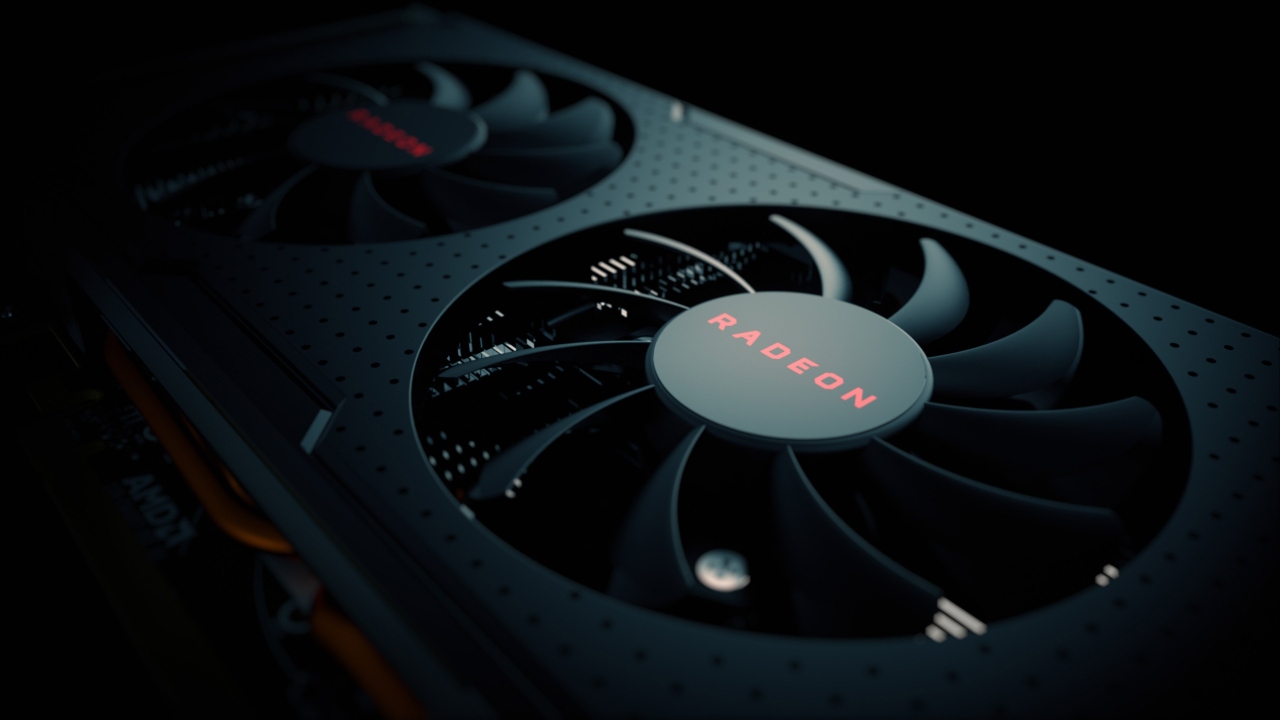
Early predictions also suggested that new games would not receive day-one improvements, but that RDNA 3 and RDNA 4 GPUs would continue to receive full feature updates.People in the gaming and PC communities were worried right away, especially since AMD is still selling products that use RDNA 2.
Many people were curious about how this would affect things like the Xbox Series X, which isn't the X model, and which uses a tweaked RDNA 2 APU, similar to the one found in the Steam Deck. The move made people very worried about how long GPUs that are still popular would be supported.
AMD's Clarification and Reverse Decision
Soon after the reaction, AMD released more information, saying that people had misunderstood what they had said. AMD stated that RDNA 1 and RDNA 2 cards will continue to receive support for new games immediately, providing the same experience as with later GPUs. But the mixed messages made things even less clear.
The fact that different news outlets got different statements didn't help the problem. AMD's first message suggested that a split existed between driver groups, which would impact the frequency of updates and the rollout of new features. Later, the company attempted to reassure users, but the mixed messages had already eroded trust.
Questions About Feature and Shader Support
During talks with AMD, several vital questions remained unanswered. The most important ones pertained to "feature support," which was understood to encompass technologies such as FSR4 and Redstone, as well as updates to DirectX's elements.
These are very important because developers need up-to-date shader models to incorporate new coding features that enable all GPUs to run faster and more reliably.
The answers AMD gave were not clear. The company stated that the driver delivery frequency would remain the same from RDNA 1 to RDNA 4.
Still, it didn't specify that the same amount of game optimization would be applied across all architectures. This led people to believe that future updates for older GPUs might not include the same speed enhancements as updates for newer GPUs.
Implications for Game Optimization and Future Support
Even when AMD kept a single branch of drivers, optimization often favored the newest designs. Some developers, such as Timothy Lottes, who has worked for both AMD and Nvidia, have stated that some improvements made to RDNA 3 and RDNA 4 were never incorporated into RDNA 2 due to a lack of development resources.
It appears that older GPUs receive less attention over time, even if there isn't a formal cutoff.AMD stated that RDNA 2 would still get support for games from the start, but the lack of information about features like FSR 4 makes long-term parity less certain.
Technically, FSR 4 can run on RDNA 2, but it's not as fast as it is on newer GPUs. Still, many RDNA 2 owners would like to be able to use this function, especially since AMD advertised these GPUs as being ready for the future.
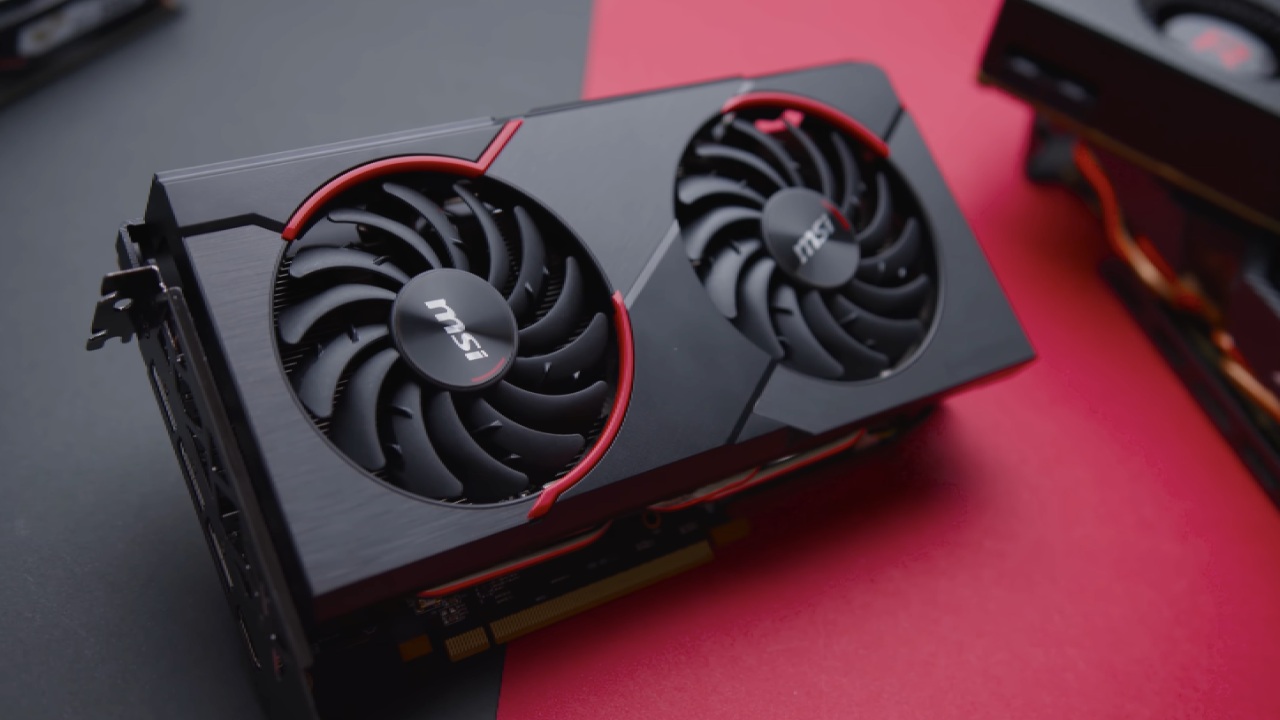
The Broader Problem with Legacy Support
In the past, AMD has had a harder time than Nvidia or even Intel keeping driver support for its older products stable over time. Placing RDNA 2, a popular and still powerful architecture, on a different update branch raises concerns that it may not receive the necessary attention.
It makes more sense to deprecate RDNA 1 since it doesn't support ray tracing or DirectX 12 Ultimate, but RDNA 2 still works well in new games.
People are worried that, over time, RDNA 2 users might not be able to play new games as well as RDNA 3 owners, not because of hardware issues but because the software isn't optimized as well. This is particularly important for people who are still considering affordable RDNA 2 GPUs as a value option.
Market Impact and Buyer Caution
AMD's driver could directly affect how people buy GPUs. In the past, many users have opted to save money on older cards, such as the RX 6800 and RX 6800 XT, which often featured more VRAM and were a better value than the newest RDNA 3 models.
However, buyers may be hesitant to purchase older gear if they're unsure whether it will be supported in the future. The RX 6800 XT, released in 2020, remains a reliable GPU that performs well in current games.
It should be in AMD's best interest to continue improving these kinds of goods, especially since GPU lifecycles have become longer due to rising prices and slower performance jumps between generations.
Changing Landscape of PC Hardware Longevity
The PC gaming world has undergone significant changes in the last few years. The popularity of portable game PCs and devices that consume less power has extended the lifespan of older GPUs.
Because instruction sets change so quickly, older versions of cards would quickly become useless. However, modern GPUs can operate for a significantly longer period.
With games like Doom: The Dark Ages still running well on its XT, it's clear that even older systems can keep up with the times for a few years. As a result, good long-term driver support is more crucial than ever.
The Importance of Clear Communication
The whole thing shows how hard AMD is still having it with internal messages and communication. Online groups, AMD's own forums, and Reddit were frustrated about the difficulty in understanding driver updates. Things like incorrect driver notes that mentioned features that weren't even there made people even less trusting.
Much of the backlash could have been avoided with better planning and clearer public communication. When customers see doubt in formal documents, it makes them less likely to trust the brand and its promise to current users.
Looking Forward
Ultimately, the debate over RDNA driver support reflects a broader issue in the GPU market: striking a balance between growth and dependability.
AMD may have had a good technical reason for separating driver groups. Still, users were left wondering about future support because it was unclear what was happening.Ultimately, maintaining trust requires regular updates, open communication, and long-term stability.
As the market for PC hardware evolves and devices last longer, GPUs cannot afford to keep their messages vague or imply that they don't care about older products. Helping current customers is not only your duty, but also a crucial part of staying competitive in a rapidly changing world.
Also, check our other AMD articles:
- AMD Ryzen 9 9950X3D Review: Setting The Standard For 2025 Gaming CPU
- AMD Ryzen 7 9800X3D Review: 3D V-Cache Goes God Mode with Stunning Gaming Performance
- AMD RX 9070 Performance Review: Thermals, Clocks, and Real-World FPS
- AMD Ryzen 5 7600 Review: Best Budget Gaming CPU of 2025?
- AMD Radeon RX 7800 XT Review: RDNA 3 Power For Midrange Gaming
- Sapphire NITRO+ AMD Radeon RX 9070 XT Review: The Ultimate 4K Gaming GPU
- AMD Ryzen 7 7800X3D: Delivers Gaming Performance Far Beyond Expectations
- AMD Ryzen 9 7900X Review: Powering the AM5 Era with DDR5 & PCIe 5.0
- ASRock Radeon RX 7800 XT Challenger OC Review: Best Price-to-Performance GPU of 2025
- Intel Core i9‑14900K vs. AMD Ryzen 7 7800X3D: Power Profiles & Gaming Benchmarks
Contributor, NoobFeed
Gaming Hardware Updates
No Data.