
AMD Zen 6 B0 Leak Hints at Powderhorn X3D Launch on AM5 Soon
AMD Zen 6 Powderhorn enters B0 stepping as desktop launch expectations begin shifting toward early 2027.
Hardware by Shinji Okazaki on May 31, 2026
CPU development is continuing to ramp up, with both Intel and AMD preparing for another year of competition in the desktop processor market. The next generation of hardware will still be dominated by node transitions, platform longevity, clock-speed goals, and release dates. As Zen 6 heads toward launch and Zen 7 begins to appear in long-term plans, focus is turning to how aggressive AMD will be over the next few years and whether Intel will affect release dates.
One, it demonstrates an aggressive agenda. Right now, almost everything AMD produces is based on 4nm, and in just a few years, they may already be two nodes ahead. AMD seems intent on keeping the momentum going, making its previous announcements of Zen 6 launching at the end of this year or the start of next year more credible.
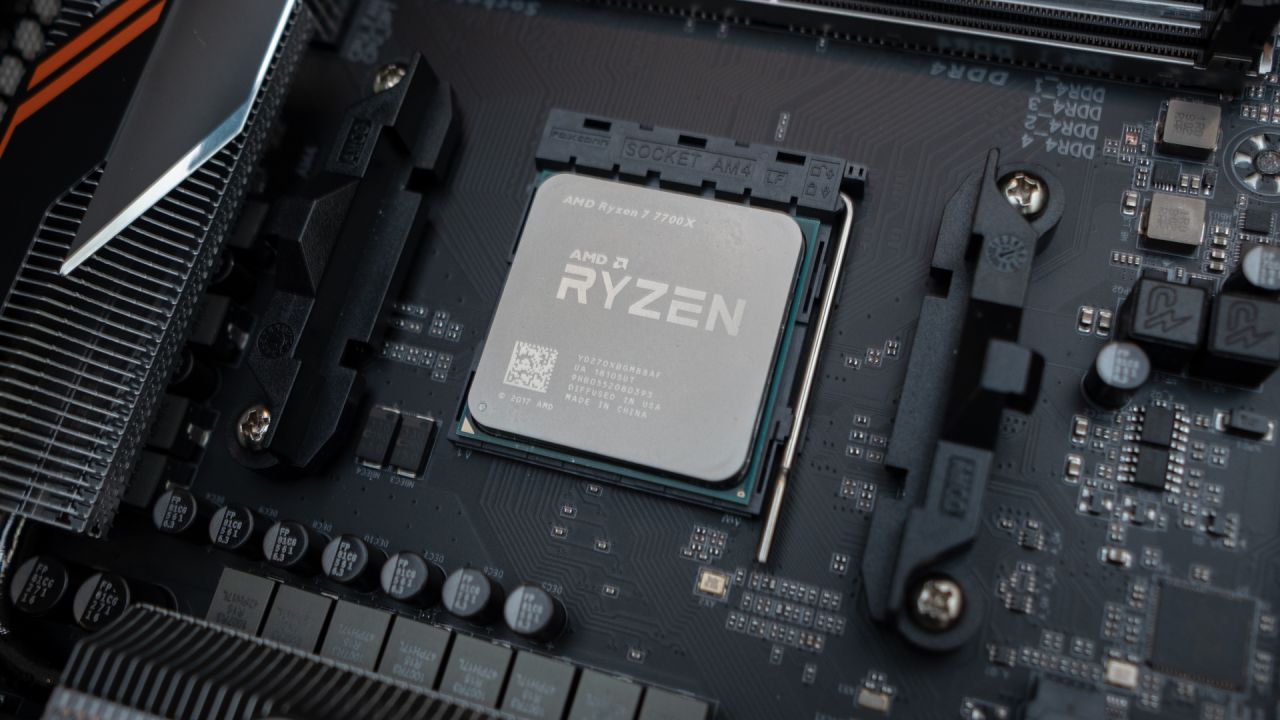
Zen 7 Confirmation Gives Numbers Context
That there has been skepticism about AMD pushing forward with some mix of N2P and N2X nodes, though, makes more sense if Zen 7 is heading towards A14. That lends credibility to expectations regarding Zen 6 manufacturing plans. The primary focus is Zen 6 Powderhorn, the high-frequency desktop version of Zen 6, which will arrive with AM5 on the clock speed side of AMD's ambitions for the desktop.
This is important for the second reason: it shows why it's important to take hardware leaks around roadmap direction seriously. Not all roadmaps or supporting documents need to be public-facing, particularly if there are concerns about source protection. Still, the more often relevant information is reiterated, the harder it will be to discredit newer claims.
Zen 6 Powderhorn B0 Stepping Reportedly at Final Silicon Stage
The B0 stepping of Zen 6 Powderhorn was taped out this month, as noted in the leak, and that is important, as it's thought to be a final silicon or extremely close to it. In reality, it seems Zen 6 desktop silicon is already in labs. By the end of this year, it will be technically feasible to release a desktop version if that schedule is adhered to. That is, however, assuming that all goes well. For this reason, Q1 2027 seems most likely at this time, but Q4 is a possibility.
Zen 6 X3D is also believed to be in B0 stepping, meaning that AMD could roll out Zen 6 and Zen 6 X3D in the same timeframe, rather than wait months after the release of standard models to start gaming. The broader consumer base will likely come much closer together than in previous launches. That possibility shines through, as there's demand to end the long gaps between major releases. But as competition intensifies, especially with Intel's next wave of desktop systems, AMD might be better off launching everything at once.
B0 Stepping is Important for AMD
An important question to ask in this context is why B0 is important. Previous AMD releases have been made on what might be best termed as "early silicon revisions. Radeon RX 7900 XT X, for instance, is said to have launched on A0 silicon, suggesting the initial working prototype was sufficient for production.
The B0 step is now a new way to understand a Zen 6 stepping. The leak runs counter to the assumption that a major rewrite is inevitable; however, it reflects AMD's desire to avoid using C stepping in its future projects. Inside, the purpose is said to be to minimize the time spent on throwaways and the number of tries required to complete the product.
If that's the case, then B0 is probably nearing the end of the silicon and not an unfinished milestone. That means there is a realistic possibility that AMD may proceed quickly with a small-scale launch, a low-volume release, or even a paper launch closer to the end of this year, without its rollout growing any larger until early 2027.
.jpg)
Intel's Nova Lake could be the Key to Determining Zen 6's Timing
The rest of the timing conversation is likely to be left up to Intel and Nova Lake. Given that Nova Lake is likely to be less likely to outperform the 9950X3D and 9850X3D in gaming workloads, there may not be as much need for Nova Lake to improve Zen 6. In such a case, we might expect AMD to take an easy ride and expand the rollout in the early part of the coming year.
But if other expectations within the company make them think Nova Lake could threaten, or even beat, current X3D gaming performance, then AMD may want to get the reviews, announcements, and possibly even limited availability out of the way this year to influence market expectations at an early stage.
We might see the hardware in the public eye before it becomes widely available in retail, especially if AMD responds to competitive positioning rather than waiting until it's fully launched. That is why more attention is being paid to big industry events: both AMD and Intel can preview silicon or show progress, even if they don't confirm final launch dates.
In Zen 6 Node, the questions remain unanswered. In Zen 6 Node, the questions are not answered. The biggest mystery is the Zen 6 desktop processor's process node. It had been reported that N2X would be on desktops and that AMD would target clock speeds in the 7 GHz range. But that is complicated by even more up-to-the-minute changes that apparently caused N2X itself to be late.
At this point, there is still uncertainty about the final manufacturing process. We may still get a version of N2X, a variant near the original, or even an earlier version built to meet aggressive frequency goals. The one thing that won't change is that the focus was on clock speeds much higher than those of desktop parts.
Another Interesting Point is the Development of Zen 7
Final readiness of silicon and manufacturing maturity will likely depend on whether those aspirations are realistic. Zen 7 development seems to be further advanced than anticipated. According to reports, several CCDs based on Zen 7 are expected to tape out before the end of this year. That indicates that development is continuing to go well even though Zen 6 hasn't hit the consumer market yet.
The time makes for a strange juxtaposition. Development seems rapid on the one hand. On the other hand, the launch timing still appears conservative. Perhaps there will be a paper launch or a preview later in 2027, but if AMD isn't in immediate competitive danger, there may be no need to set unnecessarily tight timelines. Following that reasoning, Zen 7 desktop processors could be expected in early or mid-2028.
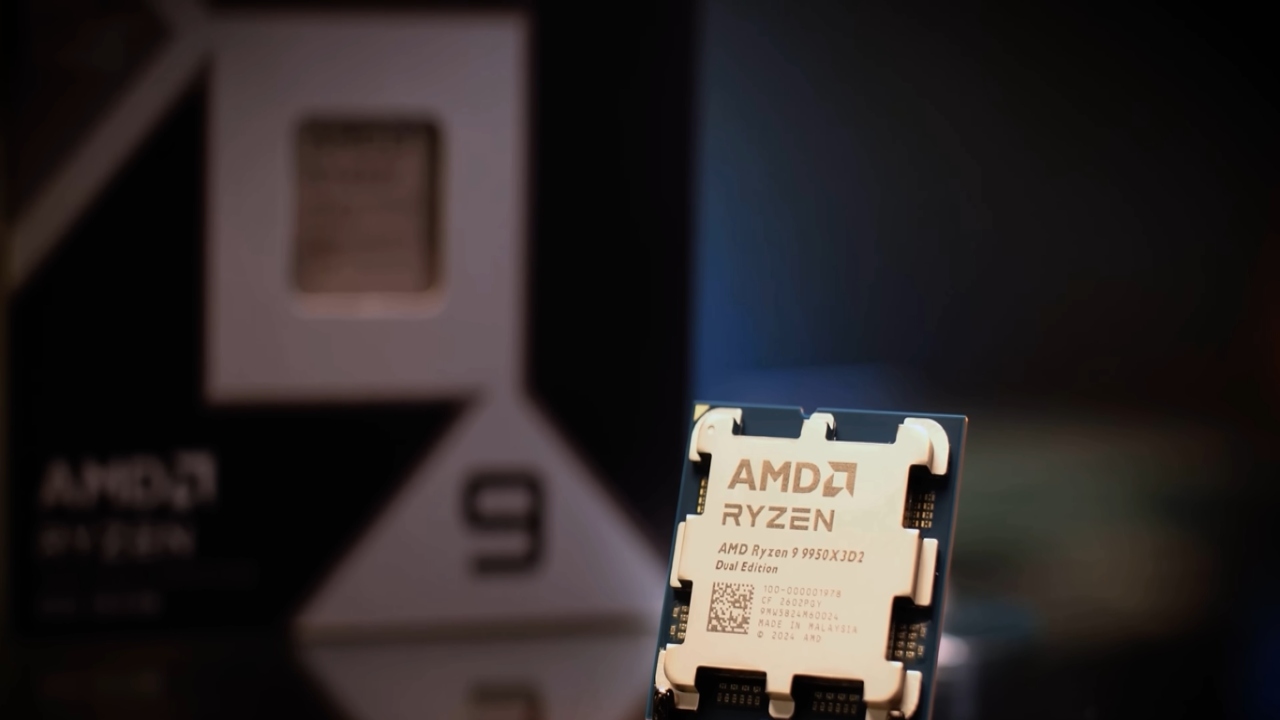
The Zen 8 platform and Long-Term AM6 Transition
Zen 8 is further out, with plans for tape-out within 3 years, which should mean that it becomes a product for sale around the time of AM6's release sometime in 2029 or 2030. That is in line with a long history of platform planning with transitions between different sockets and architectural jumps, and not an annual thing.
Much of this, of course, will depend on competition. At the end of the day, it may just be better to wait and see whether market dominance is intact. Otherwise there's room for a more flexible two-year pace to persist. But the roadmap positioning suggests that AMD still has the capacity to accelerate when required.
Intel's presence in the market may be crucial to a return to faster CPU cadences.
The bottom line is that if competition demands it, AMD could still return to its more aggressive release pace. Zen 1 came out in 2017, Zen+ in 2018, Zen 2 in 2019, and Zen 3 in 2020. This is a fast-paced pattern. We lived in a time when generations changed quickly, and big progress was made in short amounts of time.
It's possible we won't see the same pace again, but if Intel gets more competitive, it may be closer to a one-and-a-half-year pace. Intel is also reportedly "swinging for the fences. Expectations are that Nova Lake may be here by the end of this year, followed by Razer Lake in the coming year and additional architectures in the years to come – while maintaining platform continuity in many respects.
Intel could continue to launch and ship at a quicker pace and shorten development cycles if it manages to do both, offering gaming benefits that could put AMD's current grip on the market at risk. In that case, the competition over desktop CPUs will be more akin to the pace seen during earlier Ryzen growth years, as both will push hard. In the end, it may be just as much about whether Intel gives AMD a reason to move faster.
Editor, NoobFeed
Gaming Hardware Updates
No Data.