
Zen6 Brings 24Core CPUs, Higher Clocks, And Big Cache Upgrades From AMD
AMD accelerates Zen6 launch plans with higher clocks, expanded core counts, and major cache and architecture improvements.
Hardware by Tanvir Kabbo on Jan 29, 2026
It looks like AMD's Zen 6-based processors will arrive much sooner than most people thought. Along with the main Zen6 release, there are big changes to AMD's iGPU roadmap, RDNA5's direction, and Intel's competitive landscape.
There are also new X3D versions coming out. A lot is going on at once, offering a very dynamic view of the CPU and APU industry over the next few years.
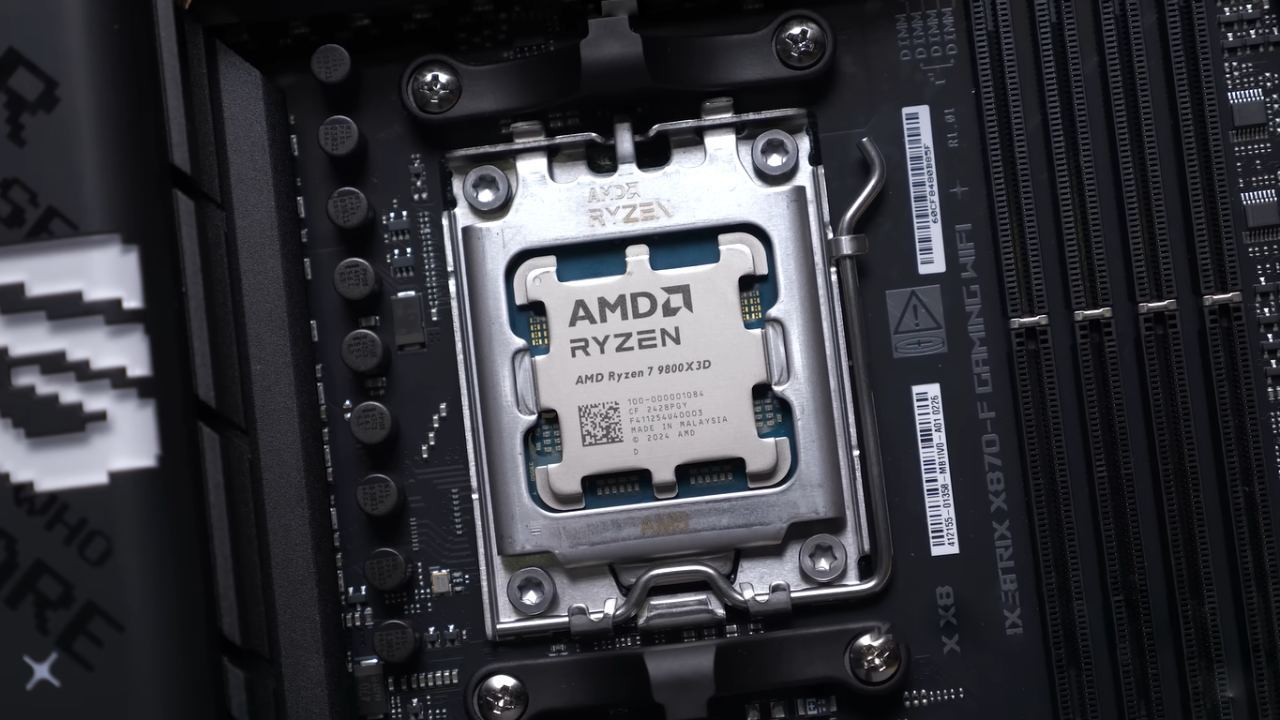
Zen6 Desktop Launch Timeline and Core Specifications
Zen6 will probably release its regular desktop parts in either September or October. AMD wants to make CPUs with up to 24 cores and 48 threads at the most. Clock speeds are also expected to go up a lot, with early estimates putting them between 6GHz and 6.2GHz.
These numbers are still based on silicon that isn't for sale, so the final items that are shipped may be a little different.
We also think gamers won't always get the best CCDs, which are only available in premium bins. However, Zen6 should still be a big step forward from Zen5. We think that IPC gains will be around 10%, but based on what we've heard, they could be closer to 15%.
X3D Variants and Timing of CES
For many fans, the X3D sections are the most exciting part. CES2027 is when these chips are likely to be shown off for the first time. You might have heard of that timeline before, as similar ones have been discussed. We also think AMD's Medusa mobile parts will be introduced around the same time. Still, they might not be available for a few months afterward.
CES2027 could be a major turning point for both desktop and mobile platforms, especially as memory prices remain volatile in the broader market.
Memory Pricing, Bandwidth, and Cache Changes
Memory prices are still quite variable, but supply should gradually improve over the next few months as new manufacturers start producing more of it. It's especially fascinating how this affects Zen6, since the architecture makes significant changes to the IOD and cache layout.
Zen6 increases the number of cores per CCD from 8 to 12, and AMD is also making the L3 cache of ordinary parts about 50% larger. These adjustments should also help the X3D variations. Even with the better cache, 24 cores still need a lot of bandwidth, so it will be interesting to see how well it scales in the real world.
It will be interesting to see whether AMD tries dual-cache chiplets on X3D parts, from both a marketing and design perspective. This is especially true, as rumors suggest Intel is working on something similar for its Nova Lake S. People say those Intel designs are pricey and likely meant to be flagship halo products rather than just gaming CPUs.
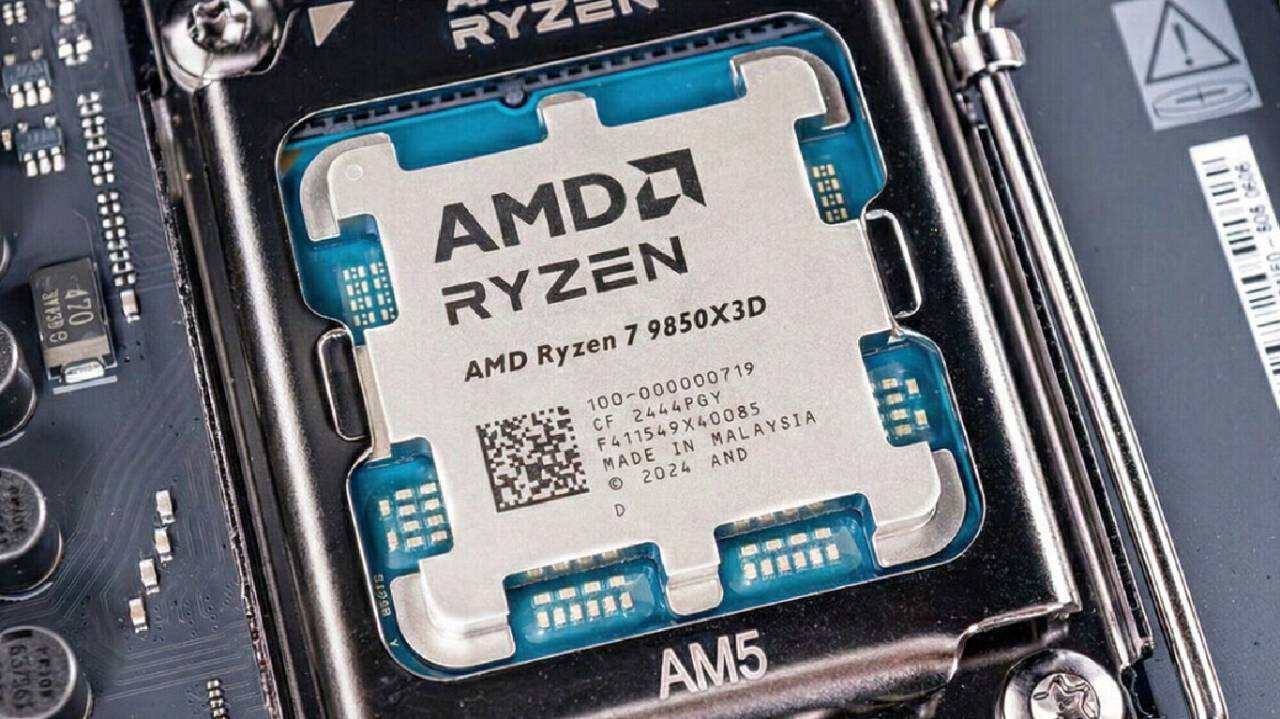
AMD's iGPU Roadmap: RDNA 3.5 vs. RDNA5
A popular picture gave the impression of an "RDNA3.5 forever" story, but the truth is more complicated. The picture itself looks like it was made by AI. Other materials back up the main premise. AMD is likely to keep using RDNA3.5 for lower-end products or systems that use an iGPU and a discrete GPU together, such as office laptops or devices not meant for gaming.
RDNA5 is still expected to be used in premium iGPUs, though. It is thought that this plan will last through Zen6 and even Zen7. For Medusa, RDNA3.5 systems might be able to handle up to 8 workgroup processors in non-halo architectures. Higher-end SoCs, on the other hand, get graphics blocks that are far more powerful.
Different types of SoCs and layouts for compute units
Various SoC configurations are in the works right now. Higher-end designs are projected to feature up to 24 compute units in premium models. In contrast, lower-end models may have only 12. With RDNA5, the compute units themselves get a major makeover, working more like workgroup processors than regular CUs.
There are also several interesting architectural patents and changes to the cache level that come with RDNA5, especially in how the L1 cache works. These changes point to big gains in efficiency and performance for next-generation integrated graphics.
Intel's Place and the Lack of a Direct Halo Rival
Intel people said that they don't aim to make a direct competitor to AMD's strict halo APUs. Intel believes AMD's current products aren't very competitive in terms of performance per watt, and that it has the edge in that area.
That doesn't mean Intel doesn't have big plans. Instead, it looks like certain things have been moved about or put off. It was previously thought that Nova Lake AX would be a major halo APU, but it now seems unlikely to materialize. Instead, attention has shifted to future designs that use similar ideas but feature better cores.
Serpent Lake, Razer Lake, and GPU Working Together
Serpent Lake remains an important part of Intel's plans. It is planned to have a GPU IP based on next-generation designs very similar to RTX60-class architectures, manufactured on cutting-edge nodes. There's conflicting information about whether this employs N3P or N2P, and for now, it's hard to say for sure which is right.
It looks like Razer Lake is taking the position of Nova Lake AX. It has the same number of cores, but their architecture and efficiency have been improved. Intel still plans to make high-end desktop SKUs with up to 52 cores, indicating the company hasn't given up on aggressive scaling at the top end.
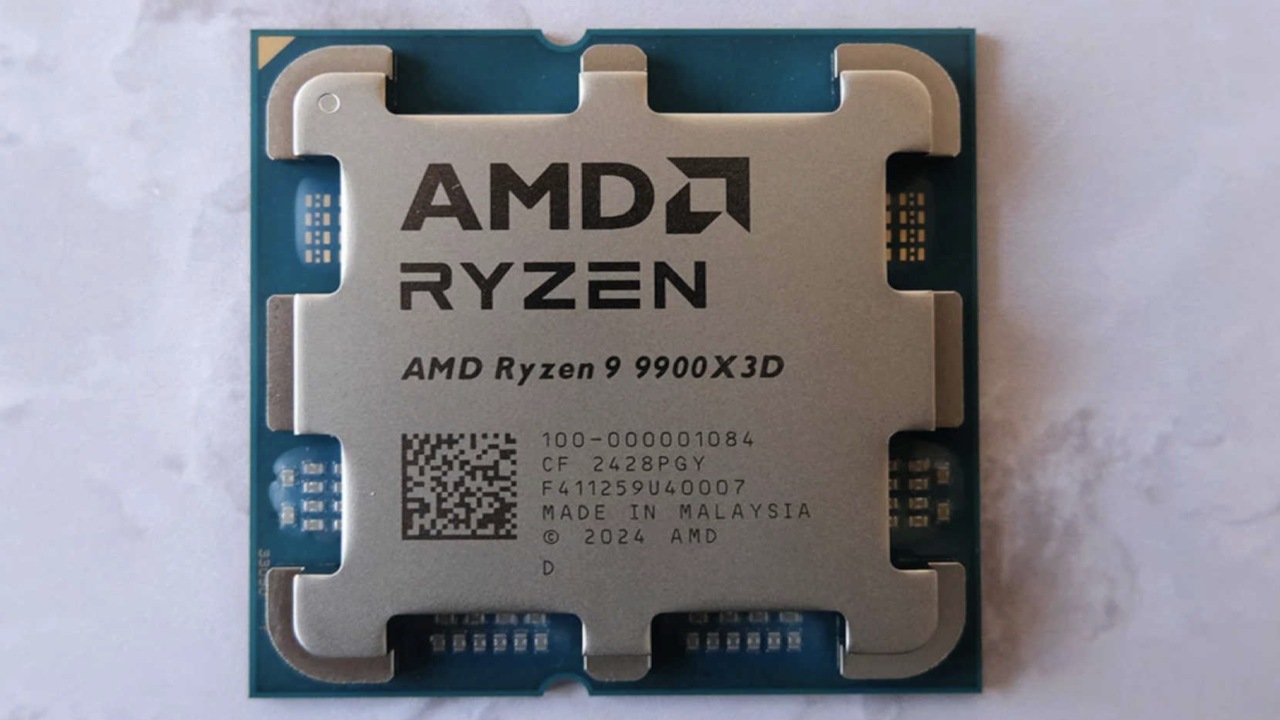
Discrete GPUs, iGPUs, and the Real World
Intel is still working on next-generation GPU designs. Still, it's unclear whether it will make any separate gaming-focused products. It's hard to ensure competitive prices when memory prices are high. This could be why some designs are aimed more at professional or prosumer markets than at mainstream gaming.
Integrated graphics, on the other hand, are looking good, and future architectures seem good too. Intel has also made it plain that working with large GPU partners is part of its long-term plan, especially when it comes to making products that can play games.
Looking Forward
The world around us is becoming increasingly complex. AMD is moving quickly with Zen6, more cores, and a split iGPU strategy between RDNA3.5 and RDNA5. Intel is changing its strategy to focus on efficiency, architectural advancements, and a few high-end products, rather than direct halo competition, in the foreseeable future.
The next several years are going to be among the most exciting in a long time for the PC hardware market, driven by new CPU architectures, shifting GPU strategies, and ongoing uncertainty about memory prices.
Also, check our other AMD articles below:
- AMD Ryzen 9 9950X3D Review: Setting The Standard For 2025 Gaming CPU
- AMD Ryzen 7 9800X3D Review: 3D V-Cache Goes God Mode with Stunning Gaming Performance
- AMD RX 9070 Performance Review: Thermals, Clocks, and Real-World FPS
- AMD Ryzen 5 7600 Review: Best Budget Gaming CPU of 2025?
- AMD Radeon RX 7800 XT Review: RDNA 3 Power For Midrange Gaming
- Sapphire NITRO+ AMD Radeon RX 9070 XT Review: The Ultimate 4K Gaming GPU
- AMD Ryzen 7 7800X3D: Delivers Gaming Performance Far Beyond Expectations
- AMD Ryzen 9 7900X Review: Powering the AM5 Era with DDR5 & PCIe 5.0
- Intel Core i9‑14900K vs. AMD Ryzen 7 7800X3D: Power Profiles & Gaming Benchmarks
Senior Editor, NoobFeed
Gaming Hardware Updates
No Data.