
Are ASRock X870 Boards Killing Ryzen 9000 CPUs?
Two separate CPU deaths suggest potential power delivery fault within specific ASRock motherboard batches.
Hardware by Shinji Okazaki on Feb 25, 2026
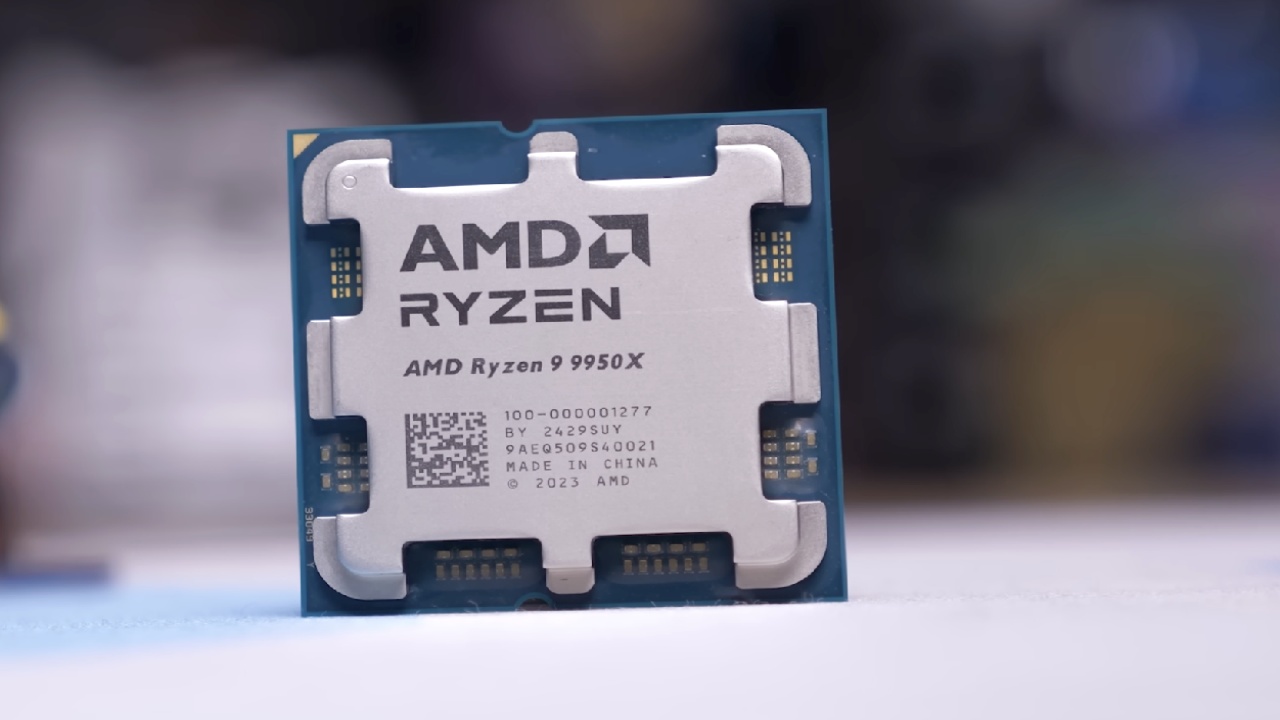
A second Ryzen 9 9950X has failed on the same ASRock motherboard, raising concerns that there may be a hardware issue rather than just the CPU. The fact that it keeps failing so quickly has shifted the spotlight to the motherboard's durability, especially the X870 Steel Legend WiFi.
We had a second Ryzen 9 9950X die on the same ASRock X870 Steel Legend WiFi motherboard. Before, the problem might have been caused by a defective batch of CPUs. But after a second failure from a different store and batch, things altered a lot.
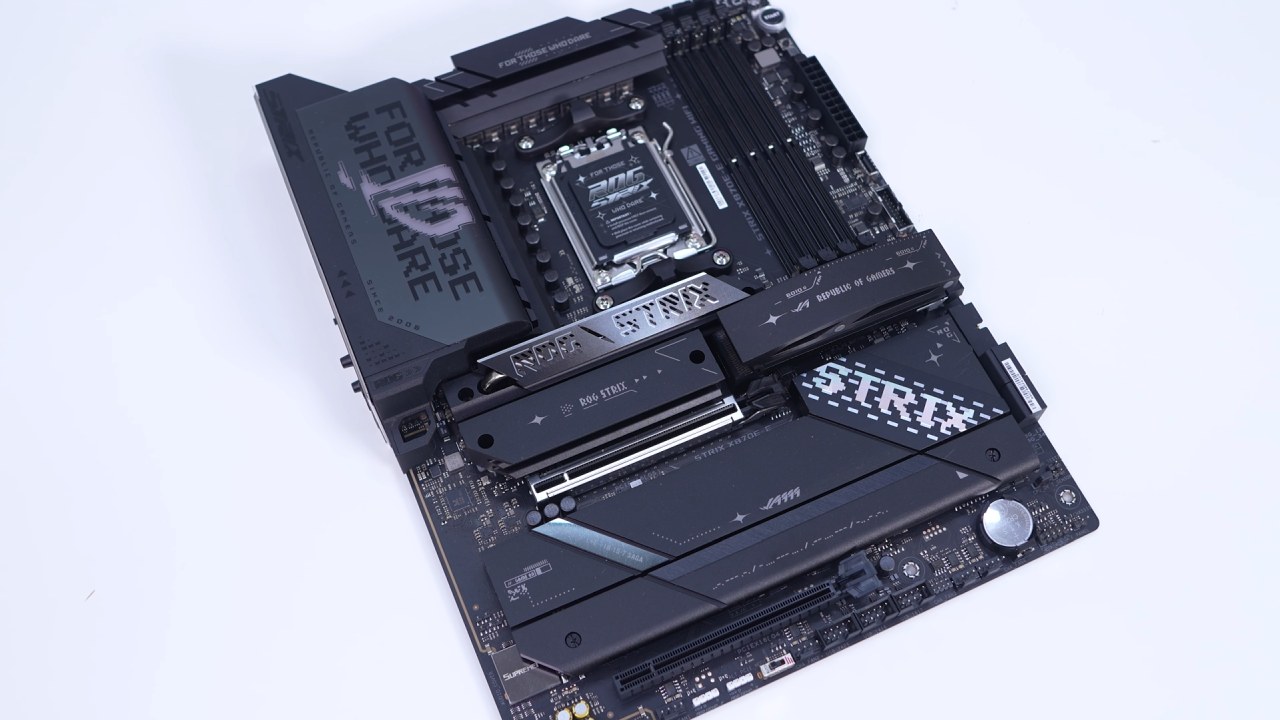
The Second CPU Failure
The machine was designed for use as a workstation, and the Ryzen 9 9950X is still one of the best workstation CPUs on the market. The first CPU failed about three to four months after it was installed, while the system was being operated normally. The CPU red light on the motherboard came on, and the system wouldn't boot up.
The second CPU also broke down in about the same amount of time, 3 to 4 months. This time, the system failed only while moving files. The signs were almost the same.
Updates to the BIOS and Attempts to Recover
ASRock has put out a BIOS update for several boards. They said that some Ryzen CPUs that weren't starting might work again after the update. We used this BIOS update on the X870 Steel Legend WiFi and also tested the CPU on a B850 Steel Legend WiFi test bench.
There was no way to become better. When plugged into a known functional motherboard, the CPU didn't get hot. After the BIOS upgrade, it still didn't work.
Then we put a Ryzen 9 7950X into the original system. The motherboard worked fine, and the machine started up without any problems. This added a more complicated variable to the research.
Things to Think About Statistically
We looked into the reported failure rates for Ryzen 9000 series CPUs. The chance of failure is about 1 in 5,000. Given that number, having two failures on the same motherboard strongly suggests that the motherboard is the problem.
At first, some users might have gotten new CPUs from the same bad batch. But the second CPU we got was from a different store and a fresher batch, which makes that less likely.
The Motherboard may be Broken
We have tried several ASRock B850 and X870 boards, and they all worked fine. The problems have only happened with this one X870 Steel Legend WiFi unit. This suggests the problem is more likely with the motherboard than with the entire platform.
The pattern is strange. Most of the time, CPUs that fail early do so within days. It's not common for things to break down in 3 to 4 months. That time range points to a problem with the component breaking down over time, not an abrupt failure of the silicon.
There is a problem with the power-delivery components, such as the VRM or MOSFET. Some items may have passed factory sampling tests but develop faults that appear over time. It could damage the CPU over time if the VRM overshoots or the voltage regulation is unstable.
Instead of testing each part separately, manufacturers usually test sample batches. This keeps things running smoothly and gives us confidence in the numbers, but it is still possible for a few bad parts to make it into production. A "killer motherboard" situation could occur if a VRM or MOSFET fails.
From the Point of View of CPU Quality Control
AMD has many quality control steps in place. When CPUs break down, it affects more than just how to replace them. It affects downtime, diagnostics, and user workflows. We found that the failure rates of the Ryzen 9000 series are not statistically higher than historical norms for other brands.
Retail statistics from a major US chain showed that Ryzen 9000-series CPUs don't have higher-than-average failure rates. On the other hand, 13th- and 14th-generation Intel CPUs, especially some i9 and i7 models, have far higher failure rates than the number of units sold would suggest.
The store also said it didn't have many ASRock products in stock, mostly lower-end boards with midrange CPUs. High-power pairings like Ryzen 9 on high-end boards are less common in their sales mix, making it hard to compare them with other products.
Broader Platform Concerns
There have been a few complaints of CPU failures on other brands of motherboards, such as ASUS. But these reports can't be statistically compared to the ASRock situations we've discussed here.
If the main reason were solely aggressive voltage profiles interacting with weak CPU batches, more widespread cross-brand failure patterns would have appeared by now. That has not happened on a large scale.
Final Thoughts
If one of these boards has a dead CPU, it's best to replace both the motherboard and the CPU. If you put a new CPU into the same motherboard, it can fail again. We are still running long-term tests with a Ryzen 7 7950X on the problematic motherboard. If that CPU fails within a year, the problem is likely with the motherboard. If it stays steady for more than a year, the interaction might occur only with a few Ryzen 9000-series systems.
The chances are still low overall right now. But the pattern suggests that some ASRock boards may have defective power-delivery components that can damage CPUs before they should.
Also, check our other AMD articles below:
- AMD Ryzen 9 9950X3D Review: Setting The Standard For 2025 Gaming CPU
- AMD Ryzen 7 9800X3D Review: 3D V-Cache Goes God Mode with Stunning Gaming Performance
- AMD RX 9070 Performance Review: Thermals, Clocks, and Real-World FPS
- AMD Ryzen 5 7600 Review: Best Budget Gaming CPU of 2025?
- AMD Radeon RX 7800 XT Review: RDNA 3 Power For Midrange Gaming
- Sapphire NITRO+ AMD Radeon RX 9070 XT Review: The Ultimate 4K Gaming GPU
- AMD Ryzen 7 7800X3D: Delivers Gaming Performance Far Beyond Expectations
- AMD Ryzen 9 7900X Review: Powering the AM5 Era with DDR5 & PCIe 5.0
- Intel Core i9‑14900K vs. AMD Ryzen 7 7800X3D: Power Profiles & Gaming Benchmarks
Editor, NoobFeed
Gaming Hardware Updates
No Data.