
Asus ROG Ally X vs. MSI Claw A8: Ryzen Z2 & Z1 Extreme Chips Comparison
Detailed performance and feature comparison of Ryzen Z2 Extreme-powered handheld built for high-end portable gaming
Hardware by Masaru Hoshino on Jul 27, 2025
In recent months, AMD's latest handheld oriented APUs have sparked considerable interest among mobile gamers and content creators. Ryzen Z1 Extreme paved the way for potent, compact gaming devices, and now its successor, Ryzen Z2 Extreme, promises further gains through a new architecture and enhanced graphics capability.
We broke down how these two chips compare in design, synthetic benchmarks, and real world gaming performance—so you can decide whether an upgrade makes sense today or if it's better to wait for driver optimizations.
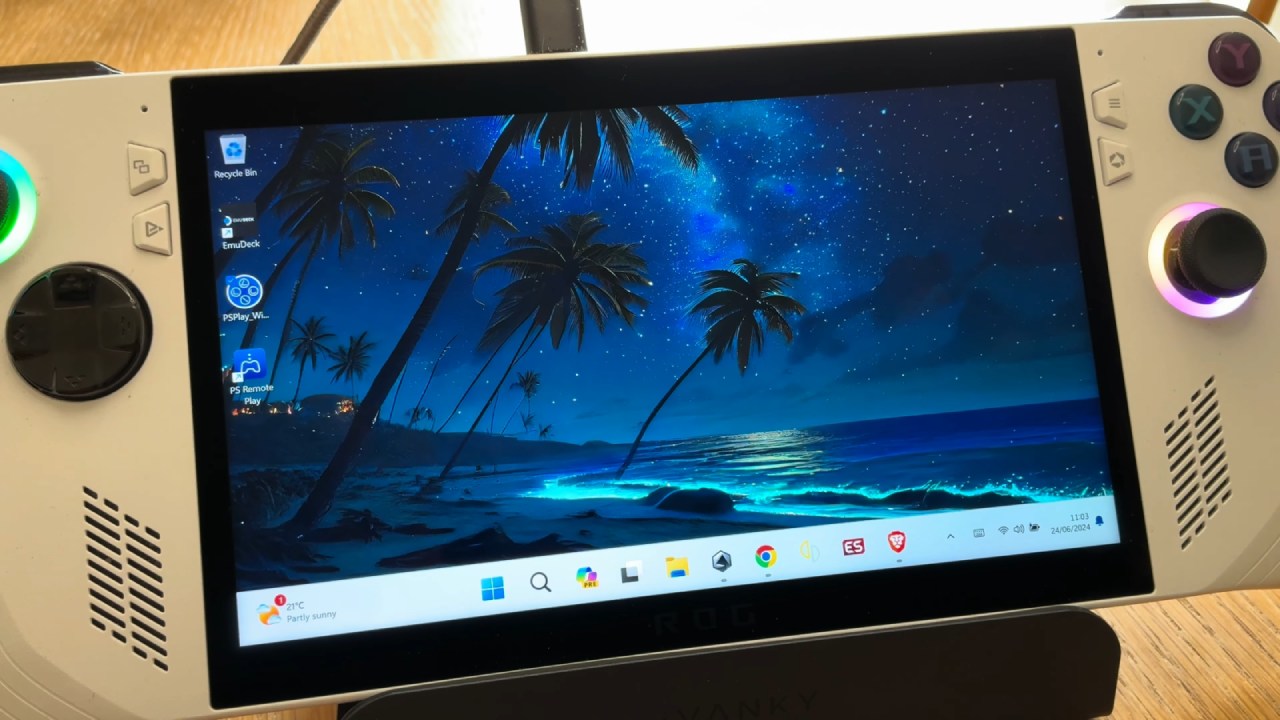
Processor Architecture and Specifications
Ryzen Z1 Extreme is built on Zen 4, featuring eight cores and 16 threads with a base clock of 3.3 GHz and all core boost up to 5.1 GHz. It's integrated RDNA 3 iGPU offers 12 compute units clocked to 2900 MHz, and most devices ship with up to 7500 MT/s DDR5 memory.
Typical configurations include 24 GB total, with 8 GB allocated to graphics and 16 GB for the system. In contrast, Ryzen Z2 Extreme adopts Zen 5 for all eight cores, split into three high performance Zen 5 cores and five efficiency focused Zen 5C cores. The entire package runs at a 2 GHz base clock, while Zen 5 cores boost to 5 GHz and Zen 5C cores reach 3.3 GHz.
Its GPU has been upgraded to RDNA 3.5 with 16 CUs also clocked to 2900 MHz, and memory support extends to 8000 MT/s DDR5. We configured our test unit with 24 GB (8 GB for the iGPU, 16 GB for the system) to match typical usage scenarios.
Synthetic Benchmark Results
When we ran Geekbench 6 at both 17 W and 25 W power limits, Z2 Extreme edged ahead in single core performance thanks to its newer cores but fell slightly behind in multi core scores, likely due to the lower clocks of its Zen 5C cores.
In OpenCL GPU tests at 25 W, Z1 Extreme scored 2787 while Z2 Extreme leapt to 3348, reflecting the benefit of four additional CUs and an updated GPU architecture.
3DMark Time Spy at 17 W yielded 2539 on Z1 Extreme versus 2917 on Z2 Extreme, with similarly notable gains at 25 W.
Even in the more demanding 3DMark Steel Nomad benchmark, frame rates climbed from 4.86 fps to 5.61 fps—an increase of 0.75 fps—demonstrating modest gains under heavy GPU load.
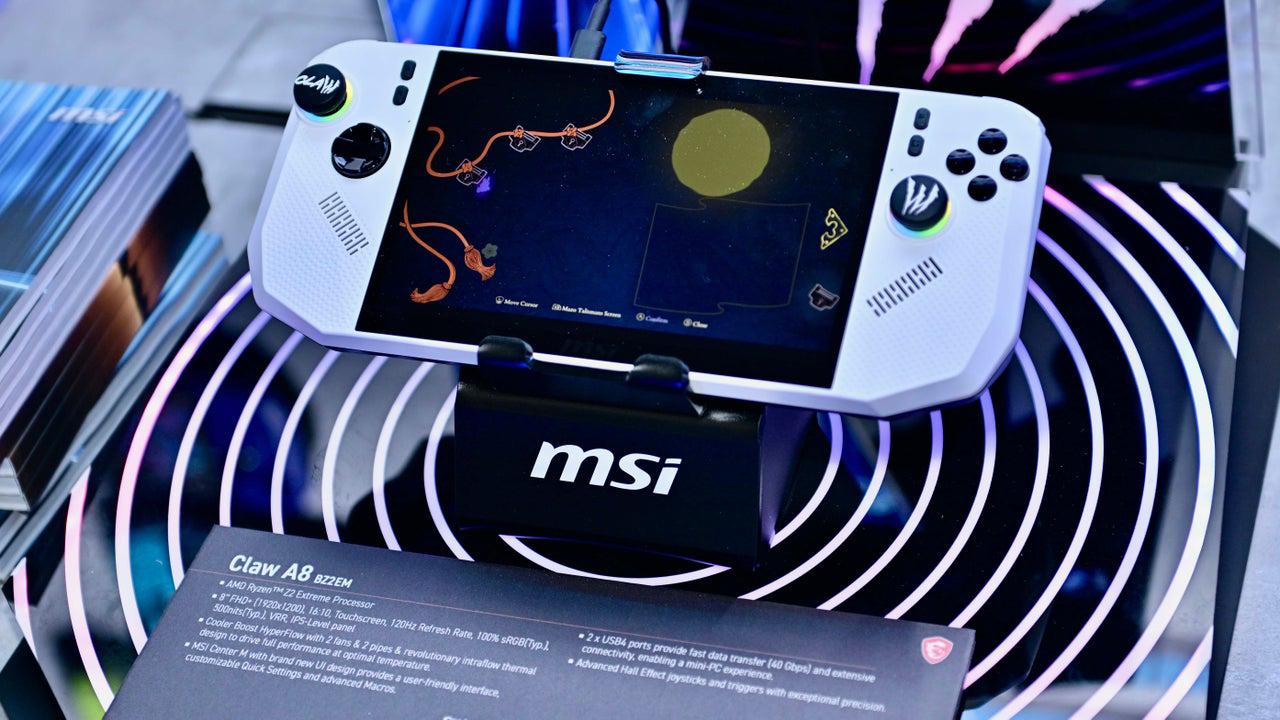
In Game Performance Comparisons
We tested a selection of modern titles at both 17 W and 25 W TDPs, capturing averages at 1080p (and 900p in one case) using settings comparable to those on popular handhelds.
In Cyberpunk 2077's Steam Deck preset at 1080p and 25 W, Z1 Extreme delivered an average of 42.66 fps versus 46.65 fps on Z2 Extreme.
When we dropped the wattage to 17 W, those figures shifted to 32 fps on Z1 and 39 fps on Z2. Lowering the resolution to 900p at 17 W further widened the gap, with Z1 at 35 fps and Z2 at 45 fps.
At low settings and 1080p, Shadow of the Tomb Raider also showcased Z2's advantage: at 25 W, we saw 59 fps on Z1 compared to 64 fps on Z2, and at 17 W, performance moved from 44 fps to 57 fps.
In Forza Horizon 5 on medium settings at 1080p, we recorded 76 fps on Z1 and 80 fps on Z2 at 25 W, with a jump from 62 fps to 75 fps when limited to 17 W. Black Myth: Wukong ran at a playable 44 fps on Z1 and 49 fps on Z2 at 25 W, while 17 W testing yielded 32 fps versus 43 fps.
Even a Steam Deck–verified game like Horizon Zero Dawn Remastered struggled on both chips at 25 W, where Z2 only managed to beat Z1 by a single frame per second—an unexpectedly slight improvement for such a demanding benchmark.
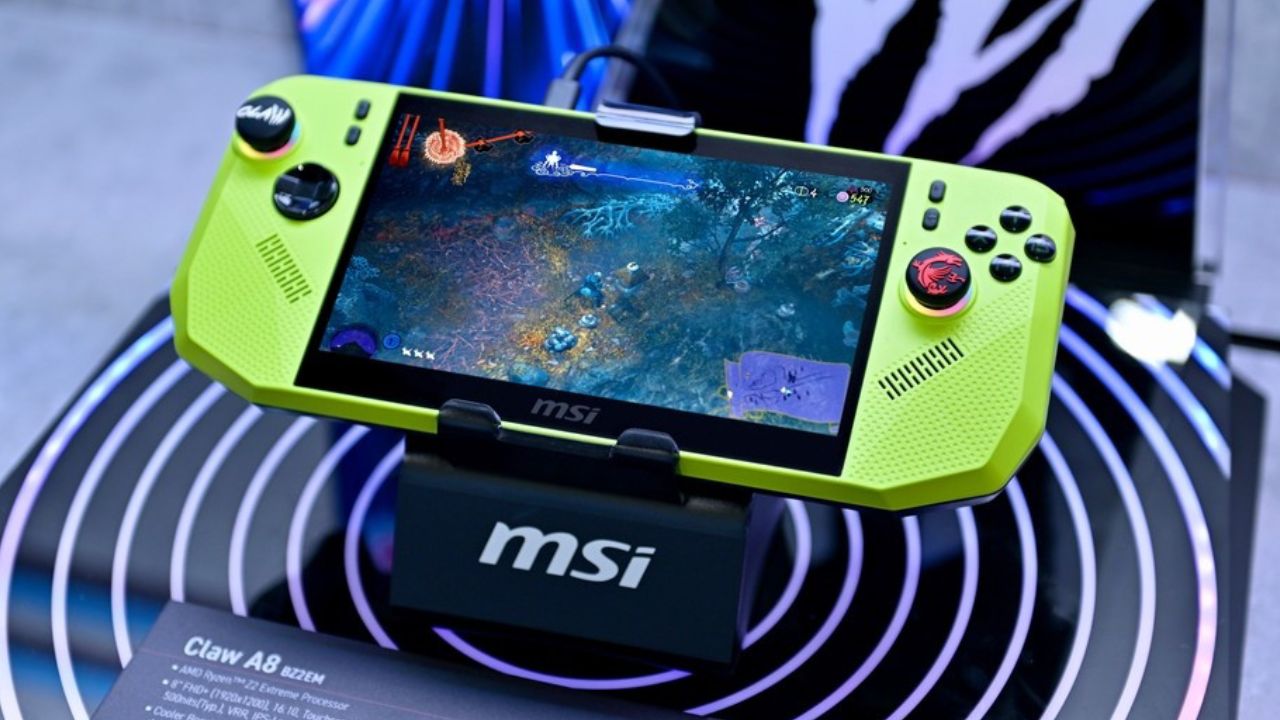
Upgrade Considerations and Outlook
With current drivers and firmware, upgrading from Z1 Extreme to Z2 Extreme yields mixed results: you'll gain a faster GPU and improved single core metrics, but multi core and some in game performance remain bottlenecked by efficiency core clocks.
We believe that tweaking BIOS settings or waiting for driver optimizations could unlock further gains, just as earlier handheld launches saw 10–20% FPS boosts post update.
If you already enjoy solid performance on a Z1 based device and don't need the absolute best integrated graphics today, holding onto your current hardware could be the wiser choice until software catches up.
However, if you're building or buying new and want the latest APU architecture with extra graphics headroom, Z2 Extreme is a forward looking upgrade.
Check our Other Handheld Articles :
- ASUS ROG Ally X Handheld Review: Double the Battery, Double the Comfort
- Nintendo Switch 2 Vs. Original Switch 1: A Full Comparison
- How To Connect A Camera And Join Voice Chat With Nintendo Switch 2
- Nintendo Switch 2 Review: Handheld Performance, Features & Value Breakdown
- ROG Xbox Ally X Vs. ROG Ally X: Display, Battery & Controls
- ASUS ROG Ally X vs. Steam Deck OLED: Display, Battery & Gaming Benchmarks
- MSI Claw 8 AI+ Review: Display, Controls & Gaming
- Nintendo Switch 2 vs. Steam Deck OLED: Gaming, Performance, Battery, Display and Value
- PlayStation Portal Review: Remote Play, Cloud Streaming & Travel Gaming
- PlayStation Portal vs. Lenovo Legion Go: Best Portable Gameplay
Editor, NoobFeed
Gaming Hardware Updates
No Data.