
Future of GPUs: AI Features, Rasterization Limits, and Nvidia's Gating Strategy
AI-driven rendering advancements increasingly shape GPU development as traditional rasterization improvements deliver diminishing performance returns across modern hardware.
Hardware by Tanvir Kabbo on Dec 21, 2025
RTX 50-series graphics cards introduced small improvements in rasterization, but the biggest advances came from AI-powered features. This tendency makes us wonder how future generations of GPUs will evolve and how companies like Nvidia decide which new capabilities older cards will support.
Some updates, such as Transformer model improvements, were available on RTX 2000-series cards all the way back. Others, such as MFG, did not make their way to RTX 4000-series models. Understanding why some features are back-ported while others are not has become an important part of following modern GPU development.
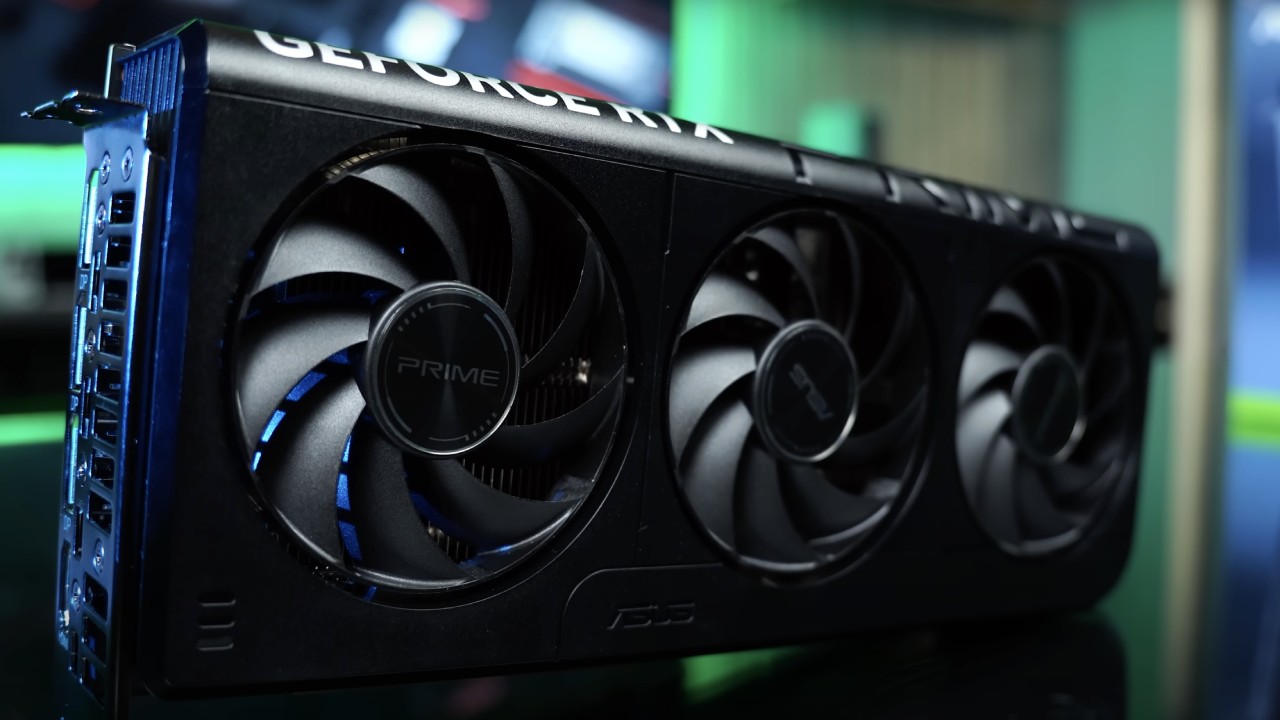
Artificial vs. Technical Gating of Features
We see that some gating appears artificial while some seems tied to real hardware limitations. Features like the Transformer model for super resolution perform reasonably well on RTX 2000 and RTX 3000. Still, when moving into ray reconstruction, the workload becomes significantly heavier.
Not many games currently use ray reconstruction, though the number is expected to grow. When trying to maintain something like 60fps, enabling these heavier features on older cards becomes far less viable.
However, when we compare something like MFG, the picture becomes less clear. If we look at an RTX 4090 against an RTX 5080, the 4090 still outclasses it in many titles. We can run the Transformer model and ray reconstruction on a 4090 while stacking multiple machine-learning effects, and it still performs better than the 5080.
That naturally leads us to ask: if the 4090 can handle the workloads, why can't the 4080 or 4090 receive MFG through an update? Is MFG really too expensive for Ada Lovelace, or is the limit a planned decision to keep products separate? We can't see inside Nvidia's black box, but it seems likely that some of these limits aren't just technological.
Features on the driver's side make this even more likely. NVIDIA initially claimed its smooth-motion frame system would be RTX 5000-exclusive, only to later say it would come to RTX 4000-series cards. Seeing that, we ask ourselves why it was gated in the first place.
People already run tools like lossless scaling on very weak GPUs, so the idea that some features must be limited seems questionable. Some gating feels artificial, though not all of it.
Why Feature Scaling Is Shifting Toward AI
Rasterization is a technology that is becoming less and less useful. The improvements in transistors and process technologies that used to drive big jumps in raster performance have slowed significantly. On the other hand, ray tracing and machine learning have a lot more room for improvement.
Every day brings new breakthroughs in real-time machine-learning-based rendering, which is where much of the exciting progress now happens.
We expect GPU vendors to prioritize this direction. Focusing heavily on rasterization performance for new GPUs is becoming less meaningful.
AI and ray-tracing-based developments offer more impactful improvements, and that's the direction nearly all hardware vendors are emphasizing. The potential for machine learning enhancement is enormous, and it provides greater gains than traditional rasterization scaling.
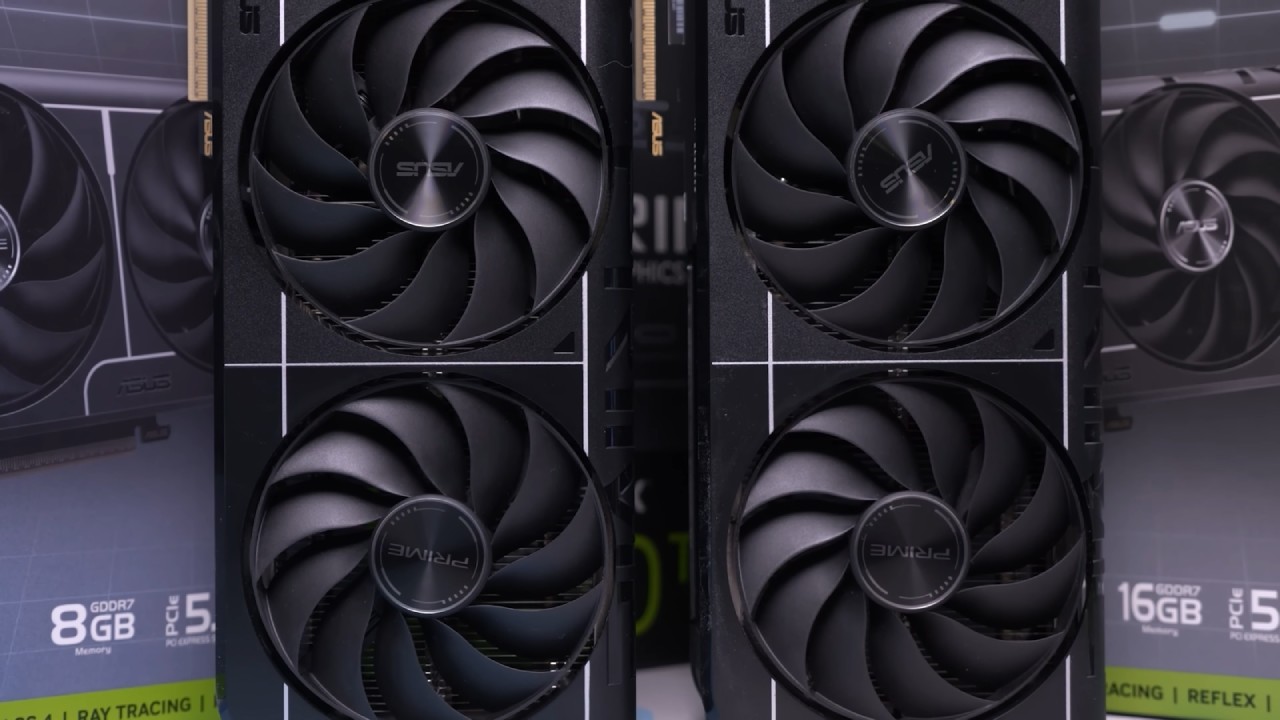
Will Vendors Continue Gating AI Features?
We feel that fundamental rendering technologies—such as neural materials or mega-geometry—are unlikely to be gated. These systems must run across a wide range of hardware if developers are expected to adopt them in games. Broad adoption benefits newer GPUs, so limiting such foundational changes would not make sense.
But optional layers, such as frame generation or certain kinds of super-resolution, are more customizable. Vendors can easily put these systems behind subsequent hardware generations without affecting engine-level adoption, since they don't need to make the underlying image.
From a financial point of view, vendors might decide to keep some high-end machine-learning improvements just for newer cards, even if hardware limits aren't always true. We may not prefer that outcome, but we accept that it is part of how GPU companies market and differentiate their products.
There is still hope for broader access overall. The presence of third-party tools and competition from AMD is pushing the industry to build solutions that are more open and easy to use. Lossless scaling and other tools already show enormous multipliers.
For example, users may take a game that runs at 8 frames per second and make it run at 160 fps utilizing 20x frame generation. The quality is shockingly good for some games. Even if Nvidia limits MFG to only the newest cards, alternatives will continue to exist and evolve.
Decline of Traditional Rasterization Scaling
One reason AI and ray-tracing-based features are more interesting is that improvements in rasterization are hitting a wall. Scaling up existing methods yields fewer noticeable, smaller results. For example, just raising the shadow map resolution from 2048 to 4096 makes the same approximation a little bit sharper.
Hardware improvements have made these jumps less meaningful, and developers see diminishing returns from pushing raster features further.
By contrast, AI and ray-tracing-powered "ultra" settings in modern games produce hugely meaningful differences.
We now observe full lighting model modifications or accurate reflections, rather than just a small increase in sample counts. These new settings really do improve the graphics, giving developers and players even more reasons to use the latest methods.
Also, check our other NVIDIA articles below:
- GeForce RTX 5090 Unleashed: Is NVIDIA's New Flagship the Ultimate 4K Gaming GPU?
- NVIDIA GeForce RTX 5080 Review (2025): Still A 4K Gaming Powerhouse?
- RTX 5090 Performance Testing In GTA 5 – 1080p, 1440p, and 4K Max Settings Benchmark
- RTX 5090 Laptop Vs. M4 Max MacBook Pro: Ultimate Raw Performance Vs. Battery Endurance
- NVIDIA RTX 5070 Review: Mid-Range Muscle or Marketing Hype?
- RTX 5070 Ti Review: Performance, Thermals & Power Efficiency Tested
- Asus ROG RTX 5090 Astral OC Vs. Founders Edition: The 4K Gaming Benchmark
- ASUS ROG Astral RTX 5090 OC Edition Review: 32GB GDDR7 & 4K Gaming Benchmark
- ASUS GeForce RTX 5090 LC Liquid Cooled GPU Review: Unmatched Silence & Speed
- MSI GeForce RTX 5090 32GB SUPRIM SOC Review: Power Efficiency, Cooling, and Gaming Performance
- INNO3D RTX 5060 Ti 16 GB X2 Review: Gaming Benchmarks, Temps, and Power Efficiency
- HP Omen 45L Review: RTX 5090 Performance, Thermals, and Value Analysis
- ASUS TUF Gaming GeForce RTX 5060 Ti Review: DLSS 4, Power Efficiency, and Gaming
- ASUS Prime RTX 5060 Ti OC 16GB Review: DLSS 4, Ray Tracing, & Thermals Tested
- NVIDIA GeForce RTX 5060 Review: Specs, Gaming, and Cost per Frame
- MSI GeForce RTX 5090 GAMING TRIO OC Review: A Monster Power GPU
Senior Editor, NoobFeed
Gaming Hardware Updates
No Data.