
Intel Battle Mage G31 GPU Officially Confirmed
High-end Battle Mage G31 emerges with promising performance targets aimed at reshaping competitive GPU market dynamics.
Hardware by Tanvir Kabbo on Dec 07, 2025
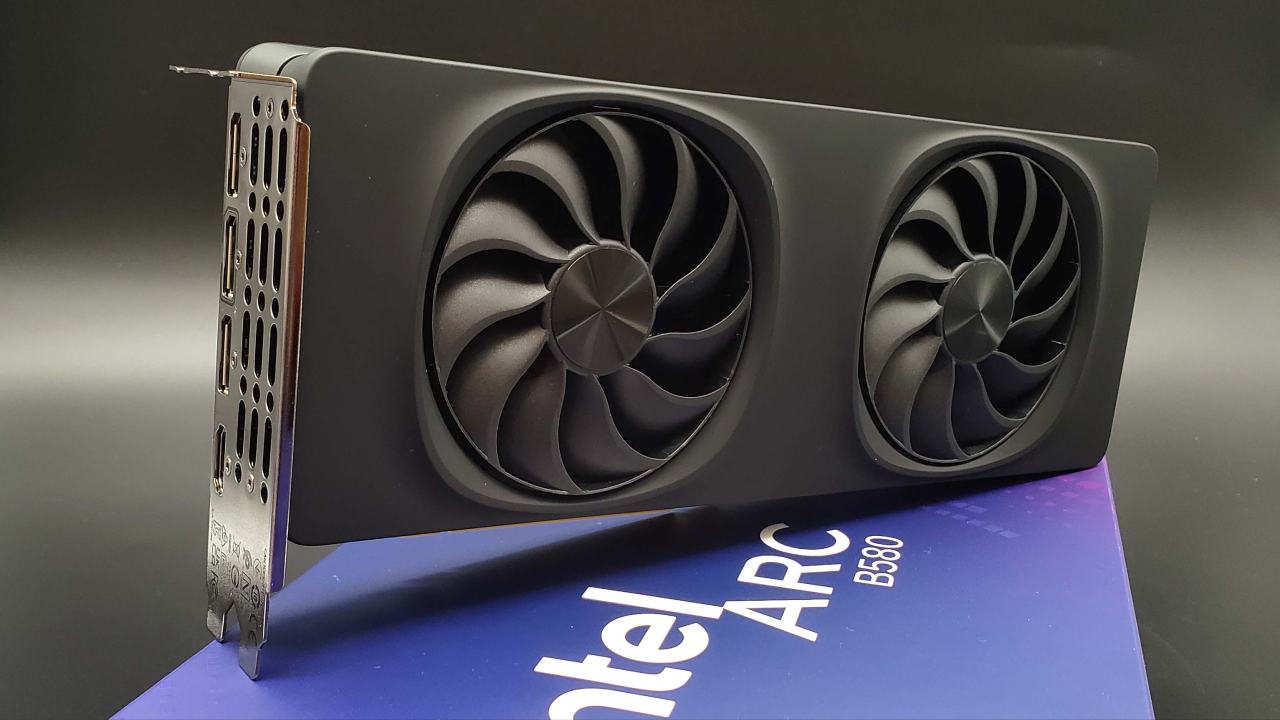
Intel has officially confirmed that Battle Mage G31, often known as the high-end Battle Mage, is real. The latest news shows that Intel not only recognizes the graphics card but has also set optimistic performance goals that should make most PC gamers happy.
This new GPU will probably put a lot of pressure on the GPU lines from both Nvidia and AMD. Intel's latest news on release dates and improvements in semiconductor nodes might also make the company a major player in gaming, reducing the industry's dependence on a single company.
Specifications and Performance
Intel has officially added support for Battle Mage G31, and Vune profiles confirm this. The GPU has 32 XE cores, 4,096 shaders, and 16GB of memory. These specs suggest the device has plenty of power, especially for gamers who want to play at 1440p or 4K.
Some games might run better on the Battle Mage thanks to Intel's XeSS technology, which is roughly on par with an RTX 5070. In some situations, when VRAM is limited, the Battle Mage's 16GB of memory could give it an edge over other GPUs, such as RTX 5070 with 12GB.
Intel is currently using TSMC's 5nm technology to make things. 5nm isn't as widely used as other advanced nodes, though it can still be used to make high-performance GPUs. Intel's meticulous management of GDDR6 supply could help keep prices low.
However, external factors such as rising memory costs could affect final prices. Even with these things in mind, Battle Mage is likely to be a great option for gamers and help Intel grow its portion of the discrete GPU market, which is currently about 1%.
Release Timing and Industry Impact
Battle Mage is expected to be released around CES, though the exact release dates are still up in the air. Intel's high-end GPUs are meant to give PC gamers additional options and enough power for most gaming situations. The market needs to stay competitive to ensure more discrete GPU options are available, especially while AMD and Nvidia remain dominant.
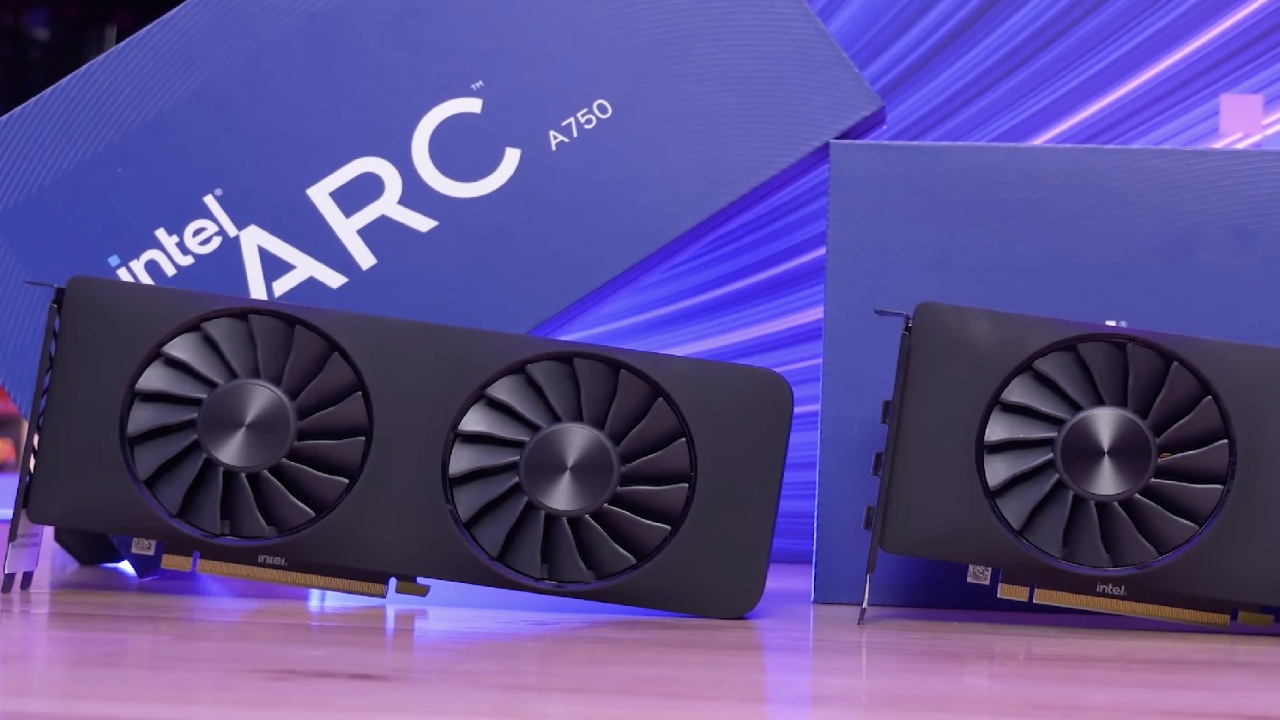
Intel's plan also involves offering good deals on its current Battle Mage lineup, demonstrating that the company understands how the industry works and what gamers want. Intel hopes that these actions will help it become a bigger player in the GPU market.
Nova Lake CPUs and Roadmap Updates
The new Nova Lake CPUs from Intel will help the company do better in the notebook and desktop segments. Arrow Lake upgrades will add more e-cores to mid-range processors, and Nova Lake will aim to offer competitive high-end performance. Leaked benchmarks show that AMD's new 9850X3D could be 5–7% quicker than 9800X3D.
9950X3D2, on the other hand, probably won't offer much more for gamers. Even with these numbers, Intel's Nova Lake portfolio promises significant performance, especially with models that support up to 52 cores.
Nova Lake may not have as many memory channels and PCIe lanes as the high-end Threadripper, but it still has a lot of computing power and might be cheaper. This makes it a good choice for both hobbyists and professionals who want a powerful CPU without spending a lot of money.
Intel's Semiconductor Node Advancements
People in the IT industry have made fun of Intel's manufacturing nodes in the past, but recent news shows they are making significant progress. The 18A node is improving, and Intel is likely to produce some of Apple's newest chips in early 2027. Intel works as a foundry for advanced processors, just as TSMC does. This might help TSMC, which has been under a lot of pressure from AI, smartphone, and GPU makers.
Competition in semiconductor production is good for the industry because it prevents companies from relying on a single supplier and pushes them to develop new technologies. Intel's improved node capabilities might also affect how other businesses price their CPUs and GPUs, keeping the market more balanced and competitive.
Market Considerations
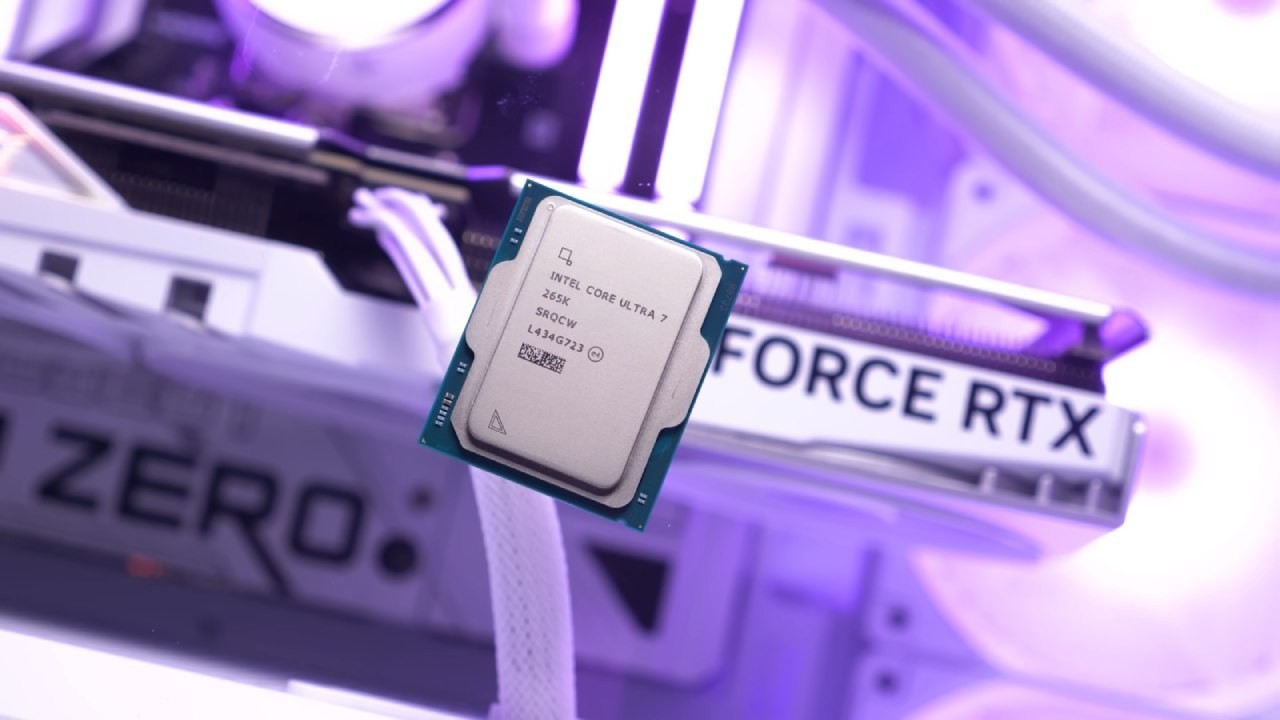
AMD's pricing plans are still a big deal, especially with the new Medusa lineup on the way. Intel's Nova Lake CPUs with many cores could be good alternatives, especially if AMD's prices for its top-of-the-line parts go up.
Intel's focus on delivering high performance at a competitive price could attract gamers who want value without sacrificing features.
Final Thoughts
Release of Intel's Battle Mage G31 GPU with Nova Lake CPUs is good for PC gaming and computing markets. Gamers now have more choices for high-performance hardware, and Intel's improvements in manufacturing nodes make it less likely that the market will rely on just one foundry.
Intel is primed to have a bigger impact on the next generation of gaming and computing experiences because it has competitive performance goals, smart pricing, and technology that is ready for the future.
Also, check our other Intel articles below:
- Intel Core Ultra 9 285K Review And Performance Breakdown (2025)
- Intel Core Ultra 9 285K vs AMD Ryzen 7 9800X3D: In-Depth Gaming Performance and Benchmark Comparison
- Intel Core i5-13400F Gaming Performance: Still Worth It in 2025?
- Intel Core i9‑14900K vs. AMD Ryzen 7 7800X3D: Power Profiles & Gaming Benchmarks
- Intel Core i9 14900K: Specs, Benchmarks, and Competitor Comparison
- Intel Core Ultra 5 245K Review: Gaming, Productivity & Power Efficiency Tested
- Intel Core Ultra 9 285 K's iGPU Gaming: In-Depth Benchmarks & Analysis
- Intel vs. AMD Gaming Laptop: Performance, Thermals & Battery Life Compared
- AMD Ryzen 7 9800X3D vs.7800X3D vs. Intel Core Ultra 7 265K: Gaming, Thermals & Price Analysis
Senior Editor, NoobFeed
Gaming Hardware Updates
No Data.