
Next-Gen Consoles and AI: How Much RAM Will Require
Next-generation consoles aim to balance performance improvements with affordability, ensuring broader adoption without extreme memory requirements.
Hardware by Tanvir Kabbo on Sep 28, 2025
As gaming technology gets better, developers and fans are talking more and more about how much RAM next-generation consoles, handhelds, and PCs will need. Some engineers suggest that you need at least 50GB of space to get the most out of the AI features in upcoming CPUs like Magnus and Orion.
Even if these ambitions are high, the reality of designing, manufacturing, and running consoles may lead to different results. RAM isn't the only thing that will effect the next generation's performance. All of these things will help: better GPUs, CPUs, storage technologies, and AI accelerators.
Faster SSDs, for instance, are making games load faster and making game worlds more dynamic. AI-driven graphics and procedural generation are also making environments richer while taking up less space.
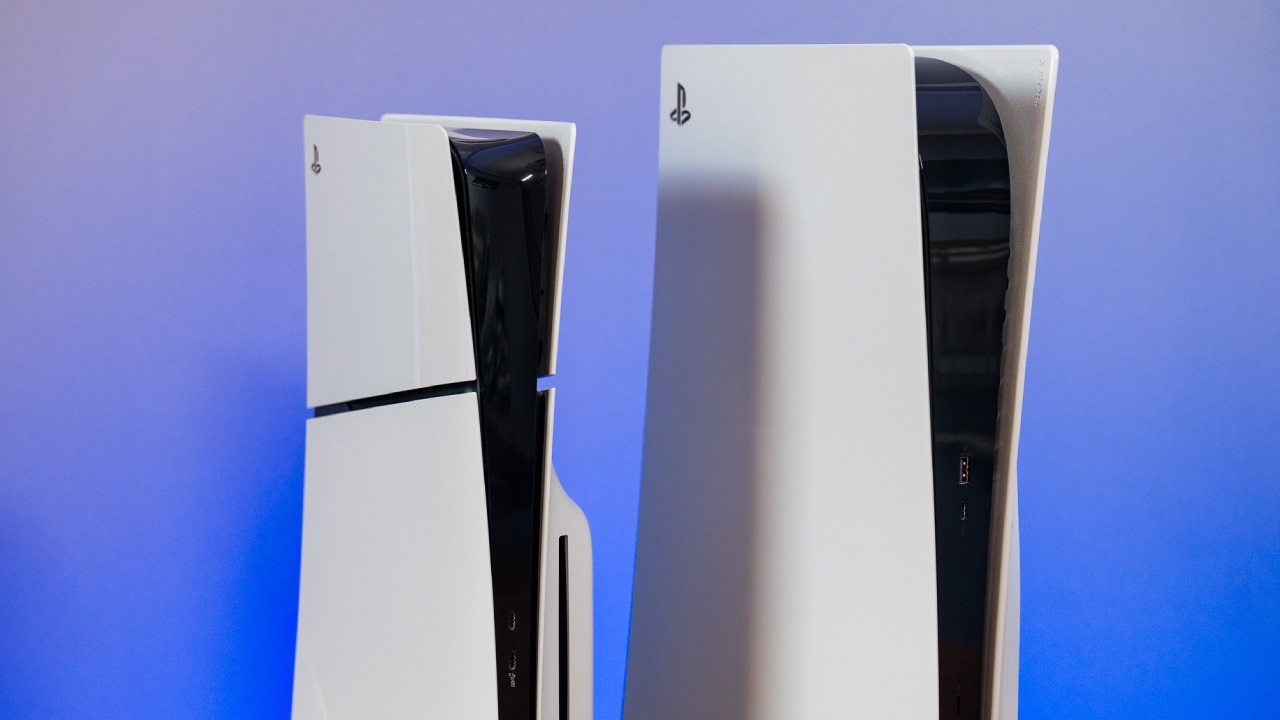
Balancing Memory, Performance, and Value
The main goal of consoles is to give you the best value while also performing well. The Xbox may not follow this model exactly, but the idea is still true: memory and other high-end parts are expensive, which is why the current generation only saw a 2x increase in RAM compared to previous consoles.
Considering cost and practicality, 50GB of RAM in a consumer console seems unlikely. A sweet spot of 24GB provides a meaningful improvement over previous generations while remaining price-efficient.
The proliferation of devices—including handhelds, high-end PCs, and hybrid consoles—requires scalable hardware solutions.
There are reports that the next PlayStation portable may work like a smaller version of the PlayStation 5. This highlights how crucial it is for game engines to be able to modify the quality of graphics, the complexity of AI, and the physics calculations based on the hardware they are operating on.
More and more, game developers are designing games that can run effectively on consoles, handhelds, and PCs without missing any of the core experiences.
Realistic AI Memory Requirements
People typically think that modern AI models need a lot of RAM, however this isn't always the case. Many AI systems are made to work with as little memory as possible. For example, Large language models (LLMs) for text creation can fit in 1-2GB, voice synthesis models may only need a few hundred MB, and AI upscalers like PSSR work within 200-256MB.
Only highly ambitious, real-time AI models that control game logic or dynamically generate visuals at scale could demand extreme memory—yet such systems are largely experimental.
Moreover, AI can be deployed in ways that reduce memory pressure. Techniques such as texture compression, model quantization, and cloud-based AI processing enable games to deliver advanced AI-driven features without excessively increasing local RAM requirements.
Cloud computing may also enable real-time AI operations for physics simulations, NPC behavior, and procedural content generation, making high-end RAM less critical for the end-user device.
.jpg)
Cross-Generation Scalability
Support for different generations is likely to stay important, maybe even longer than it did during the PS4-PS5 transition. There will be a lot of different devices, such new handhelds, high-performance PCs, and older consoles like the PS5, which still has about 80 million units in use.
To reach the most people and make the production costs worth it, games will need to be very scalable. To make sure that gameplay is the same across generations, developers are using adaptive performance approaches like dynamic resolution scaling, frame rate tweaks, and AI-driven asset streaming.
Scalable AI features can help older systems have next-generation experiences without needing to buy new hardware. Cloud-based AI companions, voice interactions, or procedural world generation can make games more interesting, even on PCs that don't have a lot of RAM or computing capacity.
The result will be a broader ecosystem where players on handhelds, consoles, or PCs can share content, features, and experiences seamlessly.
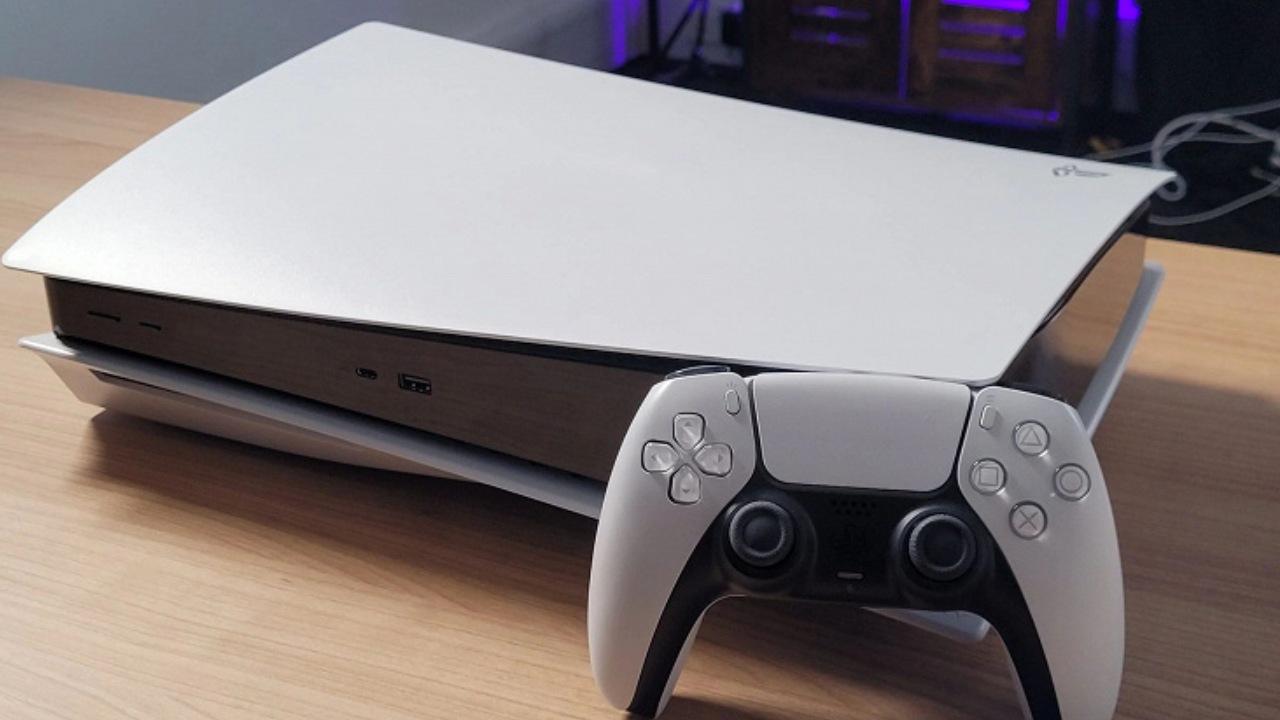
Final Thoughts
While AI will undoubtedly influence next-generation game design, consoles with 50GB of RAM are unlikely. A good mix between cost, efficiency, and speed will probably lead to RAM of about 24GB, together with cloud computing and very well-tuned AI methods.
Cross-generation support will continue to be important so that games can be played on a wide range of devices and make full use of next-generation hardware. These changes, combined with better GPUs, SSDs, and procedural technologies, suggest that a lot of people will be able to enjoy AI-driven gameplay, scalable graphics, and adaptable experiences in the future without having a lot of memory or special technology.
Check Our Other Gaming Console Articles:
- PS5 Pro vs. PS5 Slim: Frame‑Rate, Graphics & Performance
- PS5 Pro vs. Radeon RX 9060 XT vs RTX 5060 Ti: Ultimate $700 Gaming Showdown
- ASUS ROG Ally PS5 Remote Play | How to do Remote play on PS5 Using Sony's Official Remote Play App
- Stream PS5 Games on Steam Deck OLED: Step-by-Step Installation and Configuration
- AI Upscaling on PS5 Pro: Can PSSR Finally Match DLSS?
- PS5 Pro vs. PS5 Slim vs. PS5 — Design, Storage, Specs, and Gaming
- PS5 Pro vs. Xbox Series X: Specs, Price, Storage, Customization, and Gaming
- PS5 Pro vs. PC Gaming: Comparison of Graphics, Frame Rates, and Price
Senior Editor, NoobFeed
Gaming Hardware Updates
No Data.