
NVIDIA RTX 5080 Long-Term Review: Powerful Performance Held Back by 16GB VRAM
NVIDIA’s Blackwell flagship delivers outstanding competitive latency and efficiency, but 16GB VRAM and rising prices limit long-term value.
Hardware by Tanvir Kabbo on Mar 09, 2026
More than six months after it came out, the RTX 5080 is still causing arguments among fans and competitive gamers. The card is one of the most powerful GPUs of the Blackwell generation. It works well in many areas, but it also has some annoying restrictions in others.
The result is a product that feels both incredibly powerful and strangely constrained at the same time. Evaluating its strengths and weaknesses after extended daily use provides a clearer understanding of whether the RTX 5080 is still worth considering in 2026, especially as prices continue to rise due to ongoing memory shortages.
Competitive Latency Performance
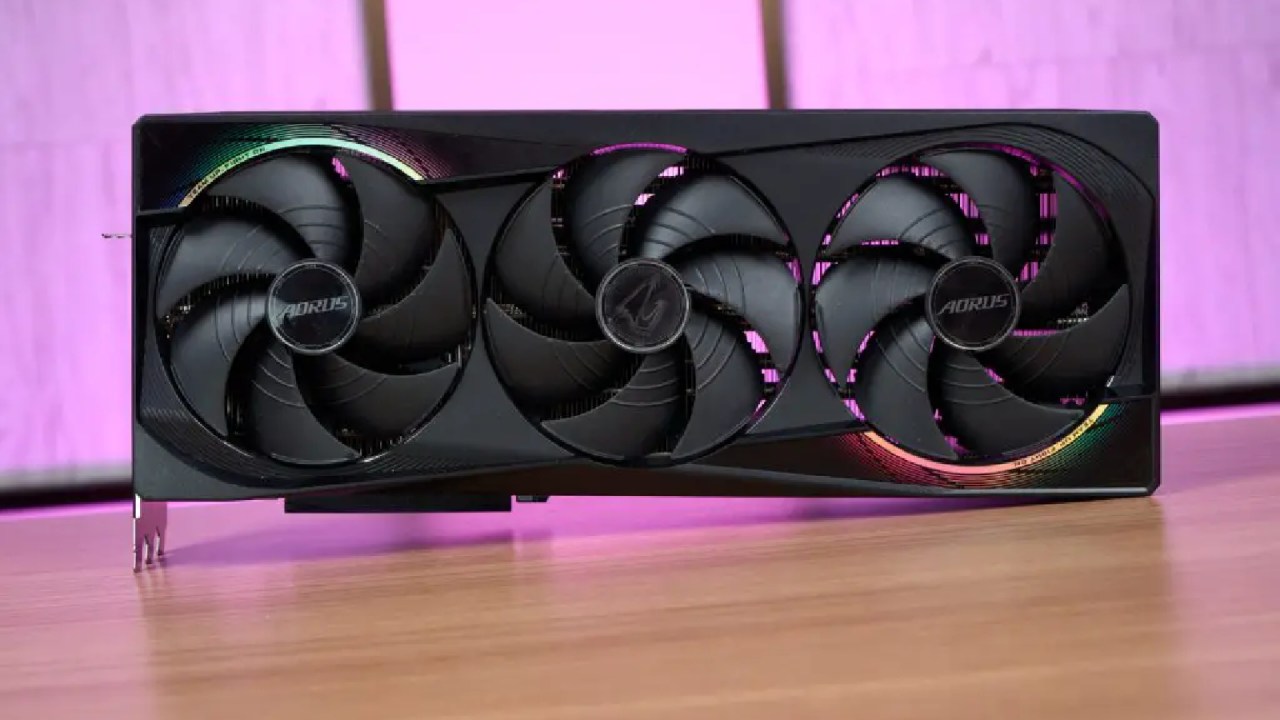
The first thing we have grown to love over the last six months is the undeniable latency advantage in competitive titles. Whether we are grinding CS GO 2, Apex Legends, or Fortnite, the responsiveness is simply next level. When you pair this card with Reflex 2, especially in a twitchy hero shooter like Marvel Rivals, the connection between your hand and the pixels on screen feels instantaneous.
It removes that invisible layer of hardware lag that usually separates you from the action. For any competitive player, this level of precision is the card’s strongest selling point. If you only want a high-end card like this for competitive gaming, you can highly recommend it.
The Growing Price Problem
The first major downside is the price tag, which has only gotten worse. Thanks to the global memory shortage, the cost of these cards has actually increased since launch, especially in the last few months.
It becomes a bitter pill to swallow when you realize the price-to-performance ratio is significantly worse than the 5070Ti, a card that Nvidia has stopped manufacturing, forcing everyone onto this more expensive tier. Buyers are paying a massive premium for a card that feels like it is being held hostage by 2026 supply chain issues rather than providing genuine value.
Raw Rasterization Power
One of the most impressive strengths of the RTX 5080 appears when you step away from ray tracing. The raw rasterization performance is where the card truly shows its teeth.
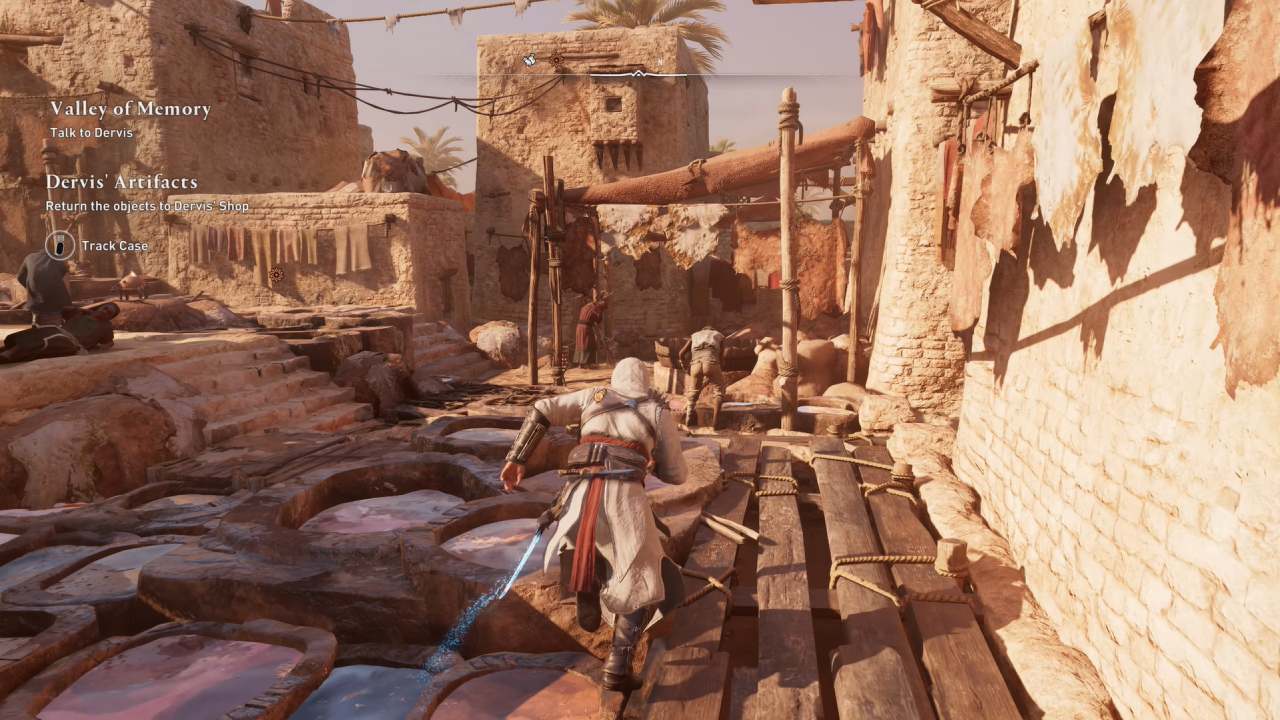
For example, the native 4K performance in Assassin's Creed Shadows is really crazy. The GPU gives us a taste of what modern graphics hardware can really do without the extra work of extensive ray tracing. When you use it with a high-end OLED display, you have a gaming setup that consoles will never be able to match for a long time.
Frame Generation and Latency Concerns
Another drawback becomes obvious when trying to run path tracing at 4K. Even with this flagship GPU, frame generation is still required to maintain smooth visuals.
The technology looks impressive, but it introduces a serious issue: latency. In games like Alan Wake 2, the FPS counter may indicate smooth triple-digit numbers, but the mouse input seems slow and disconnected, like 40fps. It makes you feel like you're not really there, which disrupts the immersion in fast-paced sequences and makes you wonder why you're paying for frames that you can't really feel.
That said, when frame generation is used at 2x in single-player games, it generally feels perfectly acceptable.
DLSS Upscaling Remains Industry Leading
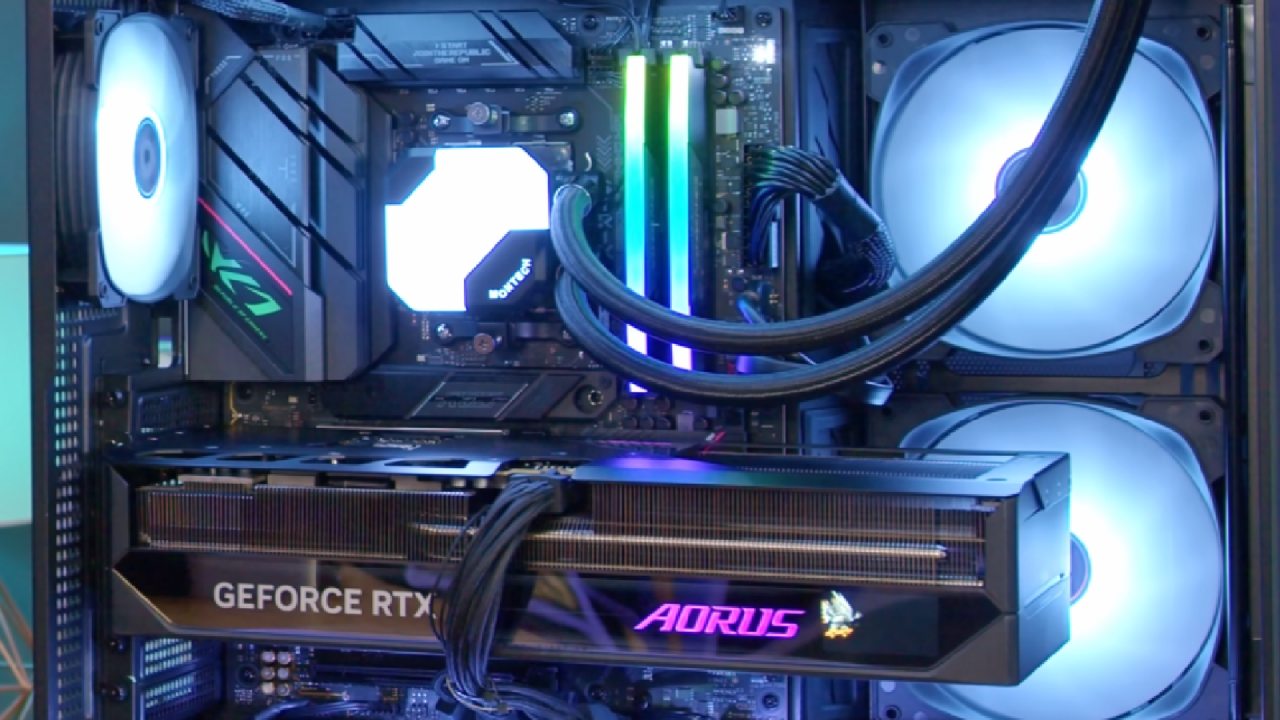
Another major reason the RTX 5080 stands out is DLSS upscaling. It continues to dominate as the industry standard for image reconstruction.
When developers implement DLSS correctly, the results are outstanding. At 4K resolution, using the quality preset often produces an image that looks nearly identical to native resolution. In some situations, the AI reconstruction cleans up fine details so effectively that the image looks better than traditional anti-aliasing methods.
Because of this, many players find themselves enabling DLSS in nearly every single-player game. It delivers a massive performance boost with almost zero visual compromise.
The 16GB VRAM Limitation
A major concern appears when pushing modern games to their limits. After six months of testing, the RTX 5080 is already reaching the edge of its capabilities at 4K with ray tracing enabled.
The 16GB VRAM capacity is simply not enough to maintain a stable buffer when every graphical setting is maxed out. Multiple gaming sessions have shown the card hitting its memory limits, causing frame pacing to fall apart.
It creates an artificial ceiling on a flagship product. For anyone who spent more than £1000 on a GPU specifically to avoid lowering settings, that reality is incredibly frustrating. Nvidia has heavily promoted ray tracing for years, yet its highest consumer-level cards still struggle to run it smoothly at maximum settings.
Stability and Driver Reliability
One surprisingly positive aspect of the RTX 5080 is its stability. Over six months of heavy daily use, there has not been a single driver crash.
After the instability issues that affected previous generations, there is real peace of mind in having hardware that simply works. Whether gaming for 8 hours straight or leaving the system to render video, the GPU behaves like a dependable workhorse.
While users reported driver crashes and instability around launch, those issues appear to have been resolved. Most games now run smoothly with excellent frame times, and there is no need to constantly search forums for temporary fixes just to keep the system stable.
DisplayPort 2.1 Handshake Problems
A more recent frustration involves DisplayPort 2.1 compatibility with certain displays.
Although the RTX 5080 finally includes the new port standard, getting it to work properly with 4K high refresh rate monitors can be a nightmare. Flickering screens, signal drops, and extreme cable sensitivity have become common issues.
These problems should not exist in 2026, especially on high-end hardware. In many cases, users end up swapping expensive cables repeatedly just to achieve a stable signal. Fiber optic DisplayPort cables can solve the problem, but they are significantly more expensive, even though they are useful when the distance between the PC and monitor is large.
Impressive Thermal Efficiency
On the positive side, the thermal efficiency of the Blackwell architecture is genuinely impressive.
Despite the immense performance output, the RTX 5080 remains cool and quiet during operation. The fans rarely ramp up to audible levels, even during demanding sessions in games like Cyberpunk 2077.
Compared to the heat output of previous generations such as the 30 and 40 series, this improvement creates a far more comfortable environment, particularly during warmer months. The GPU manages its heat output surprisingly well while still delivering flagship performance.
A Dead-End Upgrade Cycle
The final downside relates to the long-term upgrade path. Enthusiast PC owners often enjoy upgrading frequently, but the RTX 5080 currently sits in a difficult position.
Due to global memory shortages, there is no Super refresh planned for the 50 series. Owners who are disappointed with the 16GB VRAM limitation are essentially stuck with the card until the 60 series eventually arrives.
There are no mid-cycle improvements or alternative upgrades on the horizon. As a result, buyers who expected a future refresh to fix these shortcomings may find themselves tied to the card’s limitations for several years.
Final Thoughts
After half a year of use, the RTX 5080 cannot be described as a total failure, but it is undeniably a deeply flawed masterpiece.
On one side, it delivers world-class rasterization performance, outstanding thermal efficiency, and the stability Nvidia hardware is known for. In many scenarios, it makes games look and feel incredible.
At the same time, several issues cannot be ignored. Prices continue to climb while Nvidia reports record profits. DisplayPort 2.1 compatibility problems remain frustrating, and the 16GB VRAM capacity struggles to handle the demanding ray tracing workloads that Nvidia has promoted so aggressively.
Buyers are essentially paying flagship prices for hardware that already feels close to its performance ceiling in the most demanding titles of 2026.
The RTX 5080 is still a strong GPU that may give you a great gaming experience if you already own one. But if you want to acquire one now, you need be careful. Because of the way things are right now, you might be buying a high-end card that is at the end of its life cycle and won't get a Super refresh for a while.
Also, check our other hardware articles:
- AMD Ryzen 9 9950X3D Review: Setting The Standard For 2025 Gaming CPU
- Amazon Luna 2025 Review: Is Prime Gaming's Cloud Service Your Go-To For Casual Fun?
- AMD RX 9070 XT Review: AMD's RDNA 4 Champion for 1440p Gaming
- GeForce Now Ultimate: Ditching Your Gaming PC For Cloud RTX 4080 Power?
- NVIDIA GeForce RTX 5080 Review (2025): Still A 4K Gaming Powerhouse?
- Intel Core Ultra 9 285K Review And Performance Breakdown (2025)
- AMD Ryzen 7 9800X3D Review: 3D V-Cache Goes God Mode with Stunning Gaming Performance
- Intel Core Ultra 9 285K vs AMD Ryzen 7 9800X3D: In-Depth Gaming Performance and Benchmark Comparison
- NVIDIA GeForce RTX 5080 Super Performance In Cyberpunk 2077: Path Tracing & DLSS 4.0 Tested
- AMD Radeon RX 9070 XT In Cyberpunk 2077: Ray Tracing & FSR 4.0 Tested
- Intel Arc B580 Review: The $250 GPU Revolutionizing 1440p Gaming
- Intel Arc B570 Vs. B580: Value, Specs, And Real-World Gaming Performance
- RTX 5090 Laptop Vs. M4 Max MacBook Pro: Ultimate Raw Performance Vs. Battery Endurance
- Intel Arc b580 Vs. RTX 4060: Game Performance And Value Analysis
- RTX5090 Hell Is Us Demo 4K Ultra Benchmark: DLSS Vs. Native Performance Guide
- NVIDIA RTX 5070 Review: Mid-Range Muscle or Marketing Hype?
- Nintendo Switch 2 Review: Handheld Performance, Features & Value Breakdown
- RTX 5070 Ti Review: Performance, Thermals & Power Efficiency Tested
- Samsung Odyssey OLED G81SF Review 2025: Ultimate 32-Inch QD-OLED Gaming Monitor
- AMD RX 9070 Performance Review: Thermals, Clocks, and Real-World FPS
- AMD Ryzen 5 7600 Review: Best Budget Gaming CPU of 2025?
- AMD Radeon RX 7800 XT Review: RDNA 3 Power For Midrange Gaming
- Asus ROG RTX 5090 Astral OC Vs. Founders Edition: The 4K Gaming Benchmark
Senior Editor, NoobFeed
Gaming Hardware Updates
No Data.