
NVIDIA RTX Spark Could Transform Future Gaming Handhelds
NVIDIA RTX Spark introduces ARM-based gaming performance concepts that could influence future handheld hardware development.
Hardware by Nahe Yan on Jun 06, 2026
There is continued evolution in the handheld gaming market, with hardware development, the expansion of software platforms, and the ecosystem preparing for some big announcements. With NVIDIA's newly announced RTX Spark chipset, Valve's Steam Machine onboarding updates, and some new Steam client features just announced, there seem to be some significant changes in the works for handheld gaming.
At Computex, NVIDIA recently launched its NVIDIA RTX Spark chip. The conversation about the chip has revolved around AI and laptop software, but another factor might ultimately affect handheld video games.
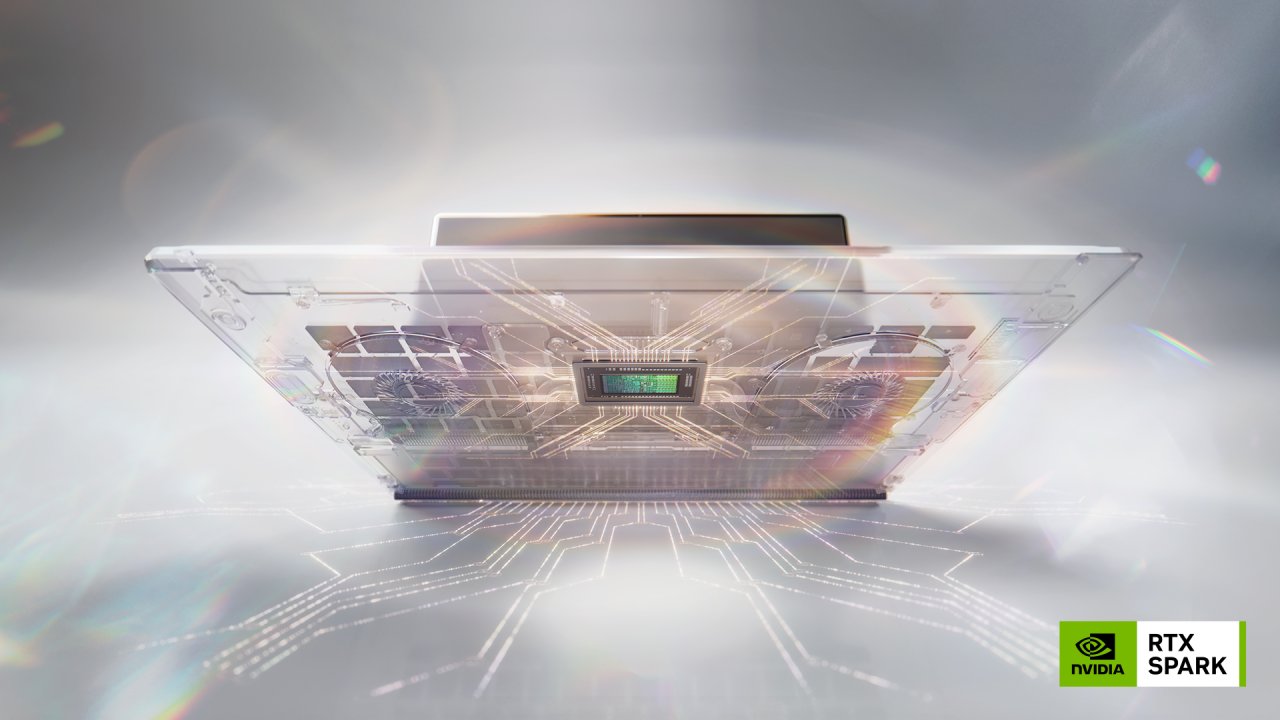
NVIDIA RTX Spark and Future of Gaming Handhelds
RTX Spark is not a traditional APU. RTX Spark uses a multi-chip module design, unlike the Steam Deck's integrated-chip design, which places the CPU and GPU on the same die and shares memory between them. It is powered by a Blackwell RTX GPU with 6,000 CUDA cores, a 20-core Grace CPU with ARM-based architecture, and an NVLink chip-to-chip interconnect from NVIDIA.
NVLink works much like Apple's M-series CPUs and GPUs are now linked together. The components are stand-alone chips but operate much like a single system in terms of memory access and high-bandwidth, low-latency communication. Now, NVIDIA is initially focusing on laptops and mini PCs with RTX Spark, but the idea has sparked some interest in future handheld gaming devices.
Currently, the Steam Deck, ROG Ally, and Legion Go are the primary gaming handhelds that use AMD graphics. However, the main systems use FSR for image upscaling and do not support DLSS. There are no other handhelds with DLSS support yet, aside from the NVIDIA Tegra processor in the Nintendo Switch 2.
There remain a few questions that need to be answered. A structurally similar design is used in NVIDIA's DGX Spark mini PC, which costs approximately $5,000. It is unclear if NVIDIA or its partners can make the technology a relatively affordable handheld system.
Another unknown is the battery life. NVIDIA has yet to reveal gaming-specific power figures, and sustained gaming efficiency remains a key factor to consider in portable systems. The ARM architecture is getting its moment in the spotlight of game consoles.
ARM Architecture Takes the Main Stage in Gaming
As Apple has shown with its M-series chips, ARM processors are capable of a lot of computing. Qualcomm has extended its reach with ARM to Windows laptops. Valve has been working on making ARM-compatible translation technologies, and now NVIDIA is taking ARM into the realm of gaming performance.
Valve has already laid some of the groundwork. Earlier this year, Proton 11 also added support for ARM64 processors, giving more potential for future gaming PCs. It's not known if AMD's ARM or NVIDIA's RTX Spark will be part of the Steam Deck 2, or whether a future version of the Steam Deck will feature an ARM-based graphics chip entirely. As it becomes clear, x86 is not the only way to go.
At present, NVIDIA's strategy is to stick with Windows machines. Support for a new architecture on SteamOS is likely to require additional development time. That's where AMD's open-source Linux driver set has its benefits, however, and any move toward ARM-powered gaming hardware will be an interesting one to follow.
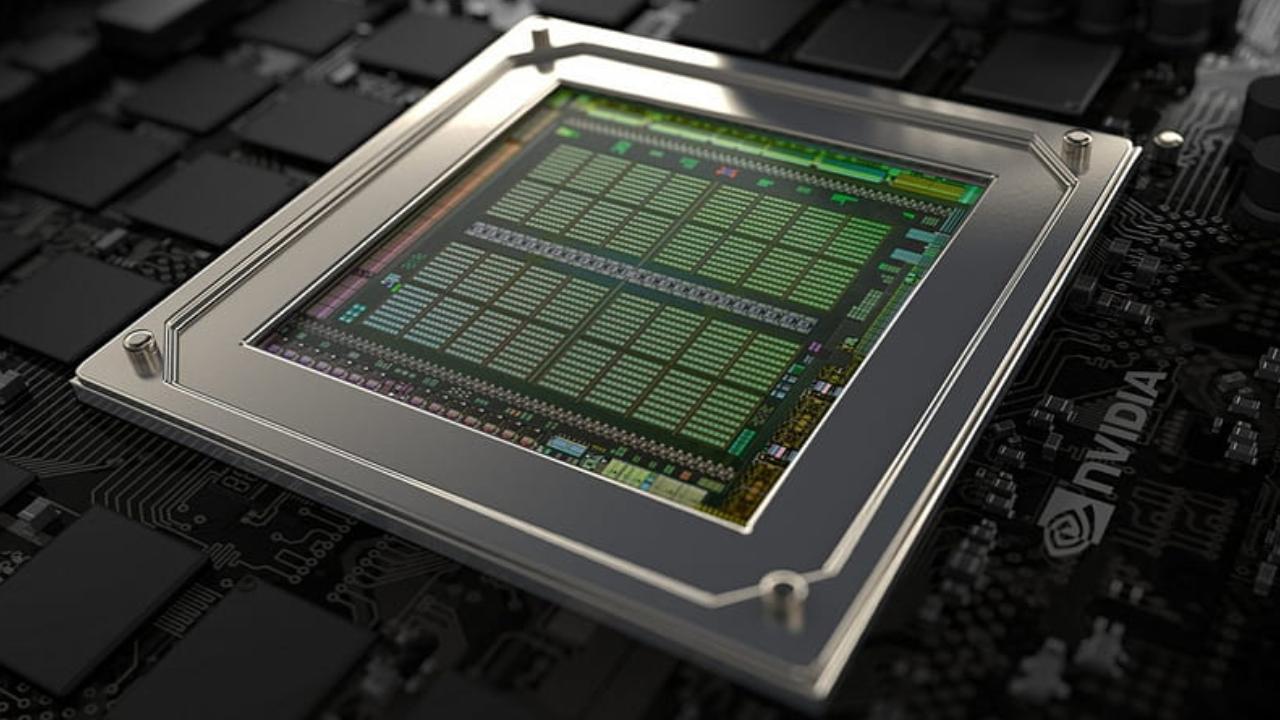
Valve also announced a new stable Steam client update for both Steam Deck users and desktop.
The update includes several improvements and bug fixes for the Steam Controller. This is a possible charging issue that can be resolved with a firmware update. You can now control LED lights via the settings menu. Lower-range trigger dead zones have been reduced to improve responsiveness.
A fix for double-input when using a Steam Controller has been added to Remote Play, and previous tweaks to trackpad momentum tracking have been updated to eliminate unnecessary dead zones around the trackpad edges. Other Linux improvements include enhanced support for emulating gamepads and improved device serial number pairing for diagnostic pages.
There are also some Steam Deck-specific changes, such as fixes to the controller pairing interface and the LED response on the Legion Go joystick. While these changes are fairly incremental on their own, Valve still updates the game regularly to improve controller support and platform stability.
Multiple factors are coming together. RTX Spark takes a new ARM direction from NVIDIA that may ultimately impact handheld gaming devices. Speculation about future Steam Machine announcements is continuing at the back end of Valve. In the meantime, Steam client updates and any Steam showcases continue to extend the Steam ecosystem.
These changes could affect hardware announcements over the coming weeks or be longer-term trends, so it remains to be seen how this news will play out for handheld gaming and Steam in the future.
Editor, NoobFeed
Gaming Hardware Updates
No Data.