
PC Gaming in 2026 Faces GPU Shortages and Rising Prices
GPU prices continue rising as memory shortages disrupt supply chains and reduce availability of high-capacity graphics cards in2026.
Hardware by Nahe Yan on Jan 19, 2026
Sometimes, rumors start to line up in a way that makes them hard to ignore. DDR memory prices may rise in early 2026, which could push GPU prices higher as well. NVIDIA aims to cut RTX 50-series output by up to 40%. Radeon GPUs will likely cost 10% higher. NVIDIA is prioritizing 8GB GPU models, and the RTX 50 Series Super cards may not even come out. These changes point to a path where costs go up, and availability goes down.
Several companies have introduced new products but have not given prices. This is probably because they are still unsure of how much it will cost to make them. It's hard for even big brands to estimate how much it will cost to make these products, especially given the scarcity of memory.
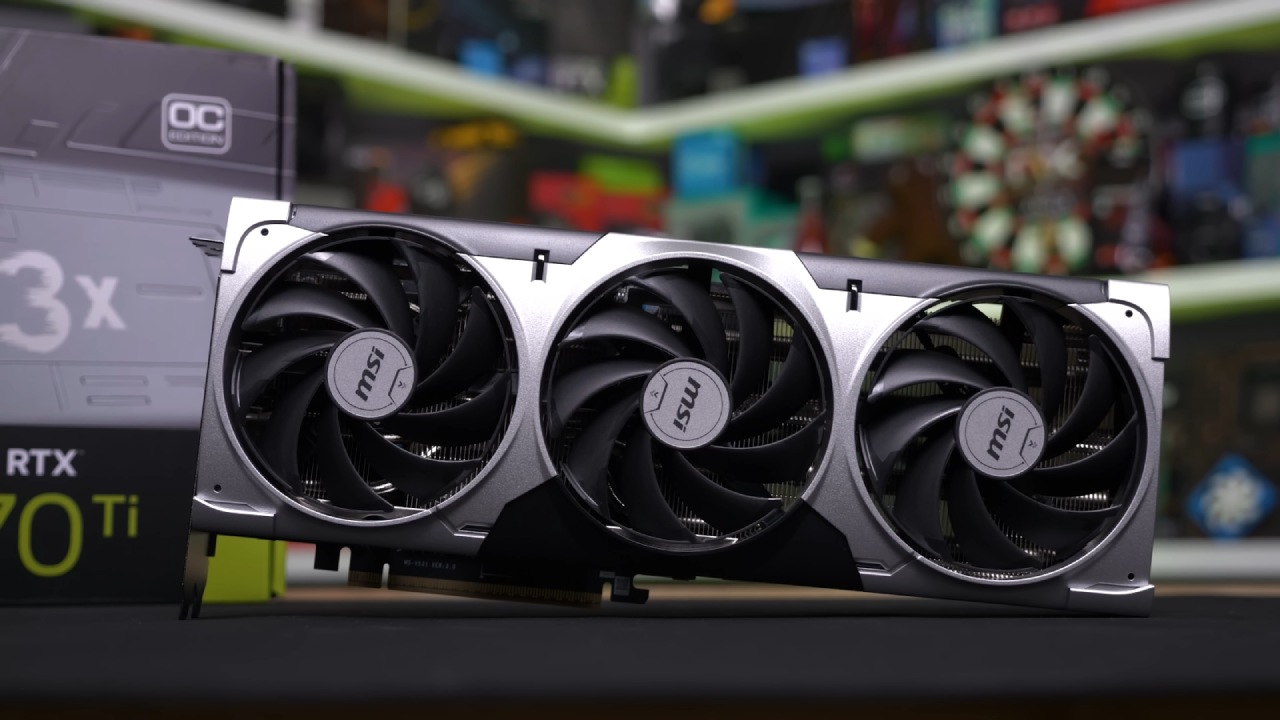
RTX 5070 Ti and RTX 5060 Ti 16GB are no Longer Available
Reports say the RTX 5070 Ti is no longer being made. Asus said it was having trouble getting enough parts, though Nvidia later said all RTX 50-series SKUs were still being shipped. After that, Asus said it would support the RTX 5070 Ti and work to stabilize supply. In practice, there still isn't much available.
RTX 5070 Ti came out just a year ago and was a good deal at $750. There are also strong indications that the RTX 5060 Ti 16 GB is no longer being produced. Retailers can no longer easily buy this model, and Asus has said that it will not be made anymore.
The cheapest Nvidia GPU with 16GB of VRAM now costs more than $1,300.
NVIDIA is Cutting Back on Supplies
According to leaks, Nvidia has cut the amount of GPUs it sends to AIC partners by 15% to 20%. Some others also say that no new GPUs will come out in 2026. Even though Nvidia still includes memory with its GPUs, supply remains limited.
RTX 50 Series Super cards, which were supposed to have more VRAM, might be delayed forever. Upgrades are happening less often now, since GPU generations can be as much as 3 years apart.
GPUs with 8GB Taking Over the Market
All of Nvidia's entry-level GPUs, such as the RTX 5050, RTX 5060, and RTX 5060 Ti, come with 8GB of VRAM. A lot of games use more than 8GB in 2026, especially at 1440p. Games can still run, but they generally don't work as well.
Before, consumers could get around the 8GB barrier by paying $430 for the RTX 5060 Ti 16 GB. NVIDIA is now focusing on 8GB devices because they make more money and have more memory available.
Priorities for Allocation: Favor Models with High Margins
Leaks suggest that Nvidia is focusing on GPUs with higher profit margins. RTX 5060 Ti 8GB, RTX 5080, and RTX 5090 are the first ones to get supplies. RTX 5060 Ti 16GB and RTX 5070 Ti 16GB, on the other hand, are no longer available or are not as important.
If two models have the same VRAM, the higher-tier GPU gets the first pick. For instance, people prefer the RTX 5060 Ti 8GB over the RTX 5060 8GB. RTX 5080 is the best 16GB variant, followed by the RTX 5070 Ti and RTX 5060 Ti.
Because of this, the least expensive Nvidia GPU with 16GB of VRAM now costs about $1,300.
Trends in Prices Right Now
Some people have spotted the RTX 5050 for as little as $210, but the price may rise as supply tightens. There used to be many good $300 RTX 5060 models, but now there are just a few. RTX 5060 Ti 8 GB, which costs about $330, is becoming Nvidia's main focus, even though it is the least valuable alternative.
RTX 5060 Ti 16 GB now costs about $450, while other configurations cost up to $520. RTX 5070 Ti used to be easy to find for $750, but now it seems closer to $830 and often sells out quickly.
RTX 5080 used to cost $1,000, but now it costs $1,300 to $1,400. It has 16GB of VRAM, but it is still one of the least cost-effective choices.
AMD is Under the Same Kind of Pressure
Instead of GDDR7, AMD uses GDDR6, which might help keep supply steady. AMD has said that the largest threat to GPU prices in 2026 is a shortage of RAM.
AMD can't guarantee steady prices even though it has strategic partnerships with memory providers. Many Radeon GPUs have already gone up in price beyond MSRP. Availability is still hard to forecast, and some models may also be discontinued.
Intel's Unclear Role
Intel's next B770 GPU is expected to include 16GB of VRAM. But partners haven't received any samples yet, and it's still unclear how memory will be allocated. Intel might have the same problems getting parts as Nvidia and AMD.
The Used Market Only Helps a Little
Used GPUs are another option, although they don't save much money. RTX 4060 Ti 16 GB costs about $375. RTX 4070 costs about $450, while the RTX 4070 Super costs about $500. You can find the RTX 4070 Ti 12 GB for about $550, but the 16GB version costs $700.
RTX 4080, which is a higher-end card, costs about $850, while the RTX 4090 often costs more than $2,000. RTX 3060 12GB is an older GPU that costs $210 but doesn't work well with new games. RTX 3090 24GB costs about $750.
AMD GPUs don't sell for as much when you resell them. RX 9060 XT 16GB costs about $350, and the RX 9070 versions are close to new prices, so there's little need to buy used.
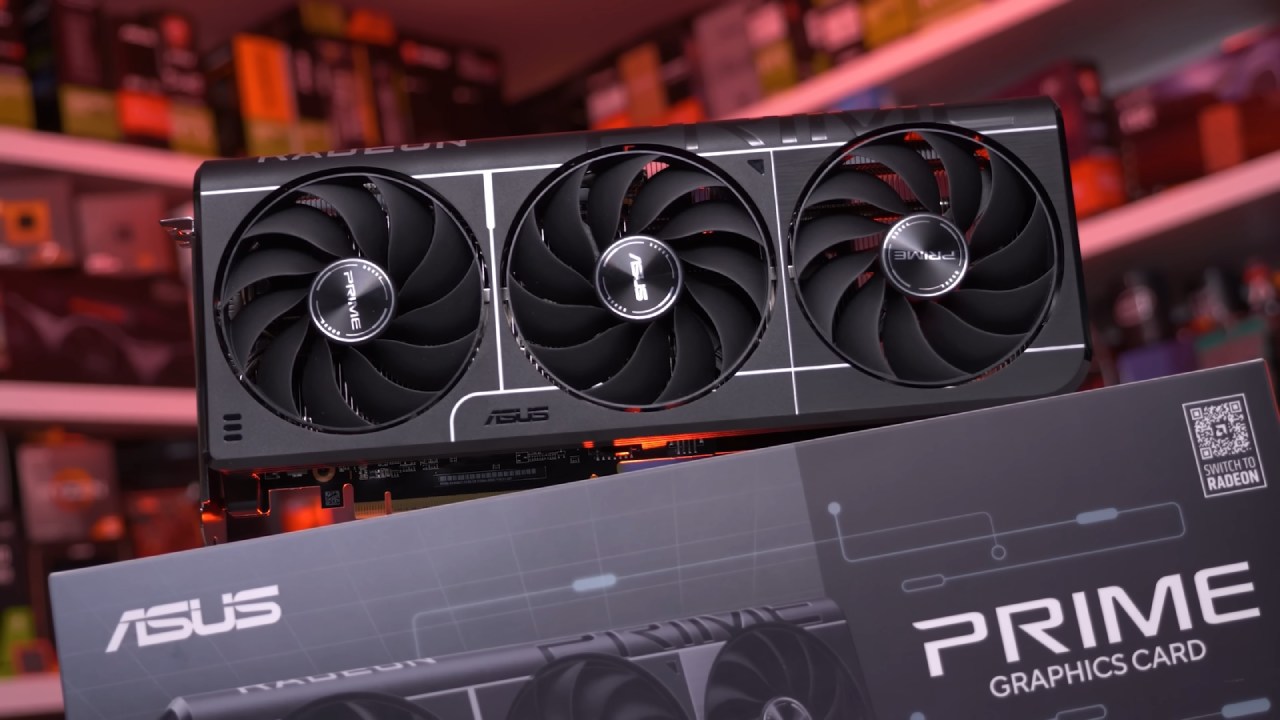
Few Choices for 16 GB of VRAM
Getting a GPU with 16GB of VRAM is getting harder in 2026. New models cost a lot more, and secondhand ones don't offer any value. Every manufacturer is still affected by the memory scarcity.
One possible result is that developers may make future games work better with 8GB GPUs, as these models will be the most popular. Because many systems and handhelds have only 8GB of memory, software may be modified to work around these limits.
Final Thoughts
PGPU prices are rising as higher-capacity models are being phased out, and availability remains limited. Both Nvidia and AMD are running out of memory, and it's not certain what Intel will offer in the future.
If your current hardware works for you, keep it. The market isn't getting any better, and upgrades in 2026 might not be that useful.
Also, check our other NVIDIA articles below:
- NVIDIA GeForce RTX 5080 Review (2025): Still A 4K Gaming Powerhouse?
- NVIDIA RTX 5070 Review: Mid-Range Muscle or Marketing Hype?
- RTX 5070 Ti Review: Performance, Thermals & Power Efficiency Tested
- ASUS GeForce RTX 5090 LC Liquid Cooled GPU Review: Unmatched Silence & Speed
- MSI GeForce RTX 5090 32GB SUPRIM SOC Review: Power Efficiency, Cooling, and Gaming Performance
- INNO3D RTX 5060 Ti 16 GB X2 Review: Gaming Benchmarks, Temps, and Power Efficiency
- HP Omen 45L Review: RTX 5090 Performance, Thermals, and Value Analysis
- ASUS TUF Gaming GeForce RTX 5060 Ti Review: DLSS 4, Power Efficiency, and Gaming
- ASUS Prime RTX 5060 Ti OC 16GB Review: DLSS 4, Ray Tracing, & Thermals Tested
- NVIDIA GeForce RTX 5060 Review: Specs, Gaming, and Cost per Frame
- MSI GeForce RTX 5090 GAMING TRIO OC Review: A Monster Power GPU
Editor, NoobFeed
Gaming Hardware Updates
No Data.