
PC Gaming Faces a Breaking Point as RAM Shortages and AI Demand Drive Prices Higher
Rising hardware costs and limited component availability are reshaping PC gaming accessibility and long term affordability.
Hardware by Shinji Okazaki on Jan 03, 2026
In 2025, it will be harder to afford everyday items and digital devices. Prices are going up for gaming hardware, subscriptions, utilities, and the cost of living in general. A lot of pastimes that used to seem possible now seem out of reach. These changes are happening fast, and prices are going down for everyone.
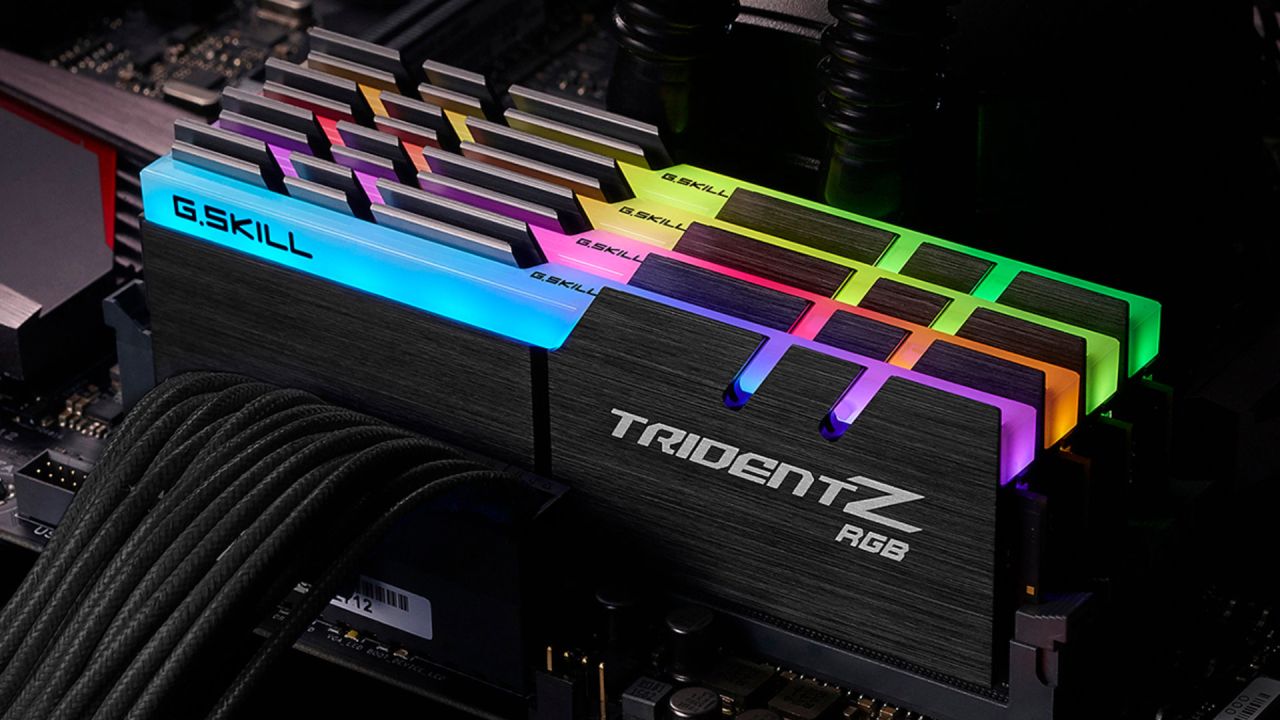
RAM is one of the most critical components of a computer. It lets systems run many apps, browser tabs, and heavy software simultaneously. The more RAM you have, the easier it is to do more than one thing at once. To work reliably, video editing and other heavy tasks need a lot of RAM.
Price Increases in the Real World
Earlier last year, someone bought 128GB of RAM for $440. Each 32GB stick costs $110. That exact configuration cost almost twice as much in just a few months. Similar rises may be seen all around the market. External storage devices are also affected. People can place orders for 4TB portable SSDs, but such orders are later canceled since there isn't enough stock. This means consumers must cancel their orders manually and have no other options.
Limited Availability and Shortages of Storage
It's getting harder to locate storage choices, both internal and external, beyond RAM. SSDs and NAS storage drives can appear as unavailable. Things that were easy to buy a few years ago are now either not listed or cost much more than they did then.
How it Affects Younger Generations
Many younger people used to be able to build their own PCs. Prices are going up, which makes it hard to do. What used to be possible with a modest budget now costs a lot more. The number of ways to get into PC gaming is declining, making it harder to learn, be creative, and have fun with computers. AI Data Centers and Hardware Demand
The growth of AI data centers is a big reason for these shortages. These facilities need a lot of RAM and storage, and they typically buy technology at levels individual consumers can't match. As firms invest more in AI infrastructure, supply will tighten, and prices will rise in consumer markets.
Effects that Spread to Consoles
You may use RAM and storage on more than just PCs. These parts are also crucial for consoles. Console makers have a hard time making hardware at competitive prices when costs rise. There are talks of pushing back the release of the next generation of consoles from the planned 2027–2028 window due to concerns about RAM costs and availability.
Price Increases Rarely Go Back
Once prices go up, they usually stay high rather than returning to their previous levels. This makes it hard to know how long the current shortages and high prices will endure. The long-term impacts on gaming, owning hardware, and playing games are still unknown.
Renting vs. Owning Technology
People are getting more and more apprehensive about going from owning something to paying for access.
Housing and transportation also show similar tendencies. When big companies buy up limited resources, prices rise and availability declines. More people are forced to rent instead of buy. Computers are starting to go through the same cycle, where it's harder to own something.
Pre-Built Systems as a Short-Term Solution
Some pre-built systems are a better deal right now because they were put together before prices went up. In some circumstances, the RAM alone in these systems costs as much as buying memory separately. If shortages continue, these solutions may no longer be possible.
A Bigger Problem in the Industry
The way things are now affects more than just fans. People who play games for fun, on consoles, or for the first time are all affected. In the past, gaming has grown its audience by making gear easier to get. Rising costs make it harder to maintain the base.
Continued Anger Over AI Growth
Many problems stem from AI systems growing too quickly without proper checks. In addition to hardware shortages, there are worries about reliability, misuse, and the effects on society as a whole. The technology keeps using up resources but doesn't give ordinary people many tangible benefits.
.jpg)
The Need for a Group Pushback
To bring about change, we need to keep talking about it and fighting against behaviors that hurt consumers. Companies can adjust their responses based on what people say, what they have in common, and what they do as a group. If you don't say something, these trends will get stronger.
Final Thoughts
Technology should make things fun, creative, and easy to get to. Those ambitions are in danger when prices rise and ownership declines. The way things are going now makes people wonder who will benefit and who will not. As the situation keeps changing, staying aware and involved is still one of the few things you can do.
Also, check our other hardware articles below:
- AMD Ryzen 9 9950X3D Review: Setting The Standard For 2025 Gaming CPU
- Amazon Luna 2025 Review: Is Prime Gaming's Cloud Service Your Go-To For Casual Fun?
- AMD RX 9070 XT Review: AMD's RDNA 4 Champion for 1440p Gaming
- GeForce Now Ultimate: Ditching Your Gaming PC For Cloud RTX 4080 Power?
- NVIDIA GeForce RTX 5080 Review (2025): Still A 4K Gaming Powerhouse?
- Intel Core Ultra 9 285K Review And Performance Breakdown (2025)
- AMD Ryzen 7 9800X3D Review: 3D V-Cache Goes God Mode with Stunning Gaming Performance
- Intel Core Ultra 9 285K vs AMD Ryzen 7 9800X3D: In-Depth Gaming Performance and Benchmark Comparison
- NVIDIA GeForce RTX 5080 Super Performance In Cyberpunk 2077: Path Tracing & DLSS 4.0 Tested
- AMD Radeon RX 9070 XT In Cyberpunk 2077: Ray Tracing & FSR 4.0 Tested
- Intel Arc B580 Review: The $250 GPU Revolutionizing 1440p Gaming
- Intel Arc B570 Vs. B580: Value, Specs, And Real-World Gaming Performance
- RTX 5090 Laptop Vs. M4 Max MacBook Pro: Ultimate Raw Performance Vs. Battery Endurance
- Intel Arc b580 Vs. RTX 4060: Game Performance And Value Analysis
- RTX5090 Hell Is Us Demo 4K Ultra Benchmark: DLSS Vs. Native Performance Guide
- NVIDIA RTX 5070 Review: Mid-Range Muscle or Marketing Hype?
- Nintendo Switch 2 Review: Handheld Performance, Features & Value Breakdown
- RTX 5070 Ti Review: Performance, Thermals & Power Efficiency Tested
- Samsung Odyssey OLED G81SF Review 2025: Ultimate 32-Inch QD-OLED Gaming Monitor
- AMD RX 9070 Performance Review: Thermals, Clocks, and Real-World FPS
- AMD Ryzen 5 7600 Review: Best Budget Gaming CPU of 2025?
- AMD Radeon RX 7800 XT Review: RDNA 3 Power For Midrange Gaming
- Asus ROG RTX 5090 Astral OC Vs. Founders Edition: The 4K Gaming Benchmark
- Intel Core i5-13400F Gaming Performance: Still Worth It in 2025?
- ASUS GeForce RTX 5090 LC Liquid Cooled GPU Review: Unmatched Silence & Speed
- ASUS ROG Ally X Handheld Review: Double the Battery, Double the Comfort
- Lenovo Legion Go S Review: The Ultimate Steam Deck 2 Alternative
- Sapphire NITRO+ AMD Radeon RX 9070 XT Review: The Ultimate 4K Gaming GPU
- Alienware 16 Area 51 Review: The Ultimate 2025 Gaming Laptop
- Alienware Area-51 Review: Unmatched 4K, Thermal, and Acoustic Performance
- AMD Ryzen 7 7800X3D: Delivers Gaming Performance Far Beyond Expectations
- AMD Ryzen 9 7900X Review: Powering the AM5 Era with DDR5 & PCIe 5.0
- Intel Core i9‑14900K vs. AMD Ryzen 7 7800X3D: Power Profiles & Gaming Benchmarks
- Intel Core i9 14900K: Specs, Benchmarks, and Competitor Comparison
- ASRock Radeon RX 7800 XT Challenger OC Review: Best Price-to-Performance GPU of 2025
Editor, NoobFeed
Gaming Hardware Updates
No Data.