
Is the PS6 Release Delayed? High Production Costs Loom
Rising component costs could force Sony to delay its next console.
News by Elme Dhee on Jun 21, 2026
For months, the most reliable industry rumors have suggested that Sony is looking at a late-2027 release window for the PlayStation 6. This neatly aligns with the seven-year lifespan that modern home consoles have traditionally followed. However, the entire hardware industry is struggling to cope with major financial pressures that could derail these established patterns.
The surge in demand for artificial intelligence has drastically increased pressure on global memory, storage, and a whole host of other key internal components. The upshot is that consumer electronics are becoming significantly more expensive to produce, and the gaming console market has not escaped this trend.
.jpg)
The PlayStation 5 has already been hit with major price hikes in several global markets. Other hardware alternatives, such as the Xbox Series consoles, Nintendo Switch 2, and even a handful of handheld gaming PCs, have also been affected by rising component costs, with their retail prices or production budgets affected.
Embracer Group highlights a potential delay for the new PlayStation.
While the PlayStation 6 has reportedly been designed from the ground up with affordability and efficiency in mind, careful engineering cannot completely protect a manufacturer from a volatile market. No amount of internal optimization can offset a global trend where memory and component prices continue to move in the wrong direction.
This financial reality brings a recent annual report from Embracer Group into the spotlight. In the document, Embracer stated that some industry analysts believe Sony may be considering delaying the PlayStation 6 from 2027 to 2028, or even 2029.
The problem with this statement is that Embracer did not clarify which analysts they were referring to or provide any original sourcing for the claim. This is an important distinction because the note does not appear to be a brand-new report based on fresh inside information. It sounds more like a major publisher repeating public industry speculation that has already been circulating online for a while.
Pushing the launch to the end of the decade seems highly unlikely.
Sony's consideration of a delay to its production schedule is entirely believable. Any major tech company preparing a massive new hardware launch will inevitably maintain several parallel contingency plans. There is always an ideal launch date, a backup date, plans for unexpected component shortages, and different pricing models depending on shifting market dynamics.
Evaluating options is standard corporate responsibility, but considering a delay is fundamentally different from officially deciding to delay. Right now, there is no credible report stating that Sony has formally shifted the PlayStation 6 out of its original 2027 window. We only have analysts pointing out that the company is looking at backup plans due to current economic realities.
The suggestion that the console could move all the way to 2029 seems far less likely for several reasons. By then, the current PlayStation 5 would be 9 years old, an unusually long lifespan for a modern system. Additionally, the custom hardware Sony has already designed for the next generation could start to feel dated before it even reaches store shelves.
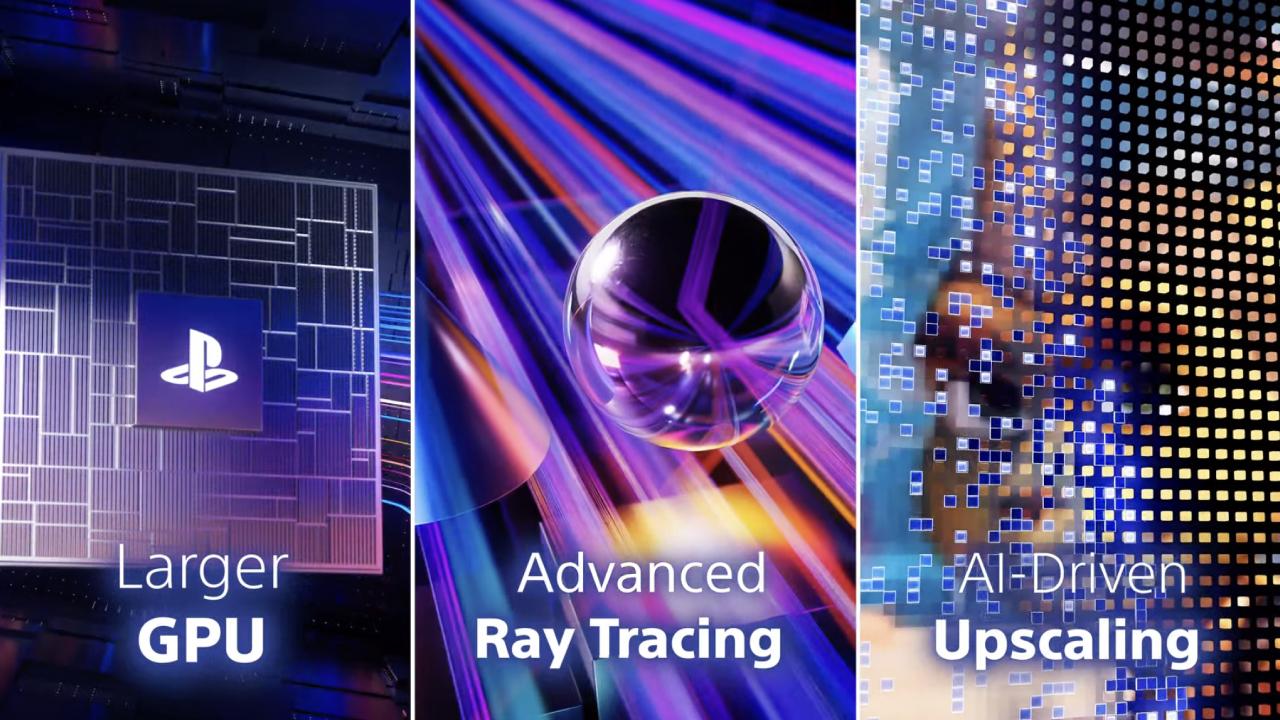
Contract obligations make changing hardware timelines an expensive challenge.
Delaying a major piece of hardware is never as simple as changing a target date on an internal company presentation. Sony likely already has extensive, multi-year, legally binding agreements with major partners, including AMD, component suppliers, and third-party manufacturers. Breaking or restructuring those existing contracts to delay a product launch by several years could become incredibly expensive.
Furthermore, there is absolutely no guarantee that waiting a year or two actually solves the overarching economic problem. While memory prices could potentially stabilize by 2028, they could just as easily remain high or fluctuate further. Sony could delay the console, pay massive contractual penalties, and still end up launching into a highly difficult and expensive market a year later.
Because of these logistical hurdles, a late 2027 release window remains the most realistic target for the hardware. Unless a much stronger insider source provides concrete proof of a shift, a multi-year delay remains speculation. Sony will likely have to find alternative ways to manage the financial burden when it comes time to launch.
Players might face higher entry costs or multi-tiered console options.
The company could decide to release the next console at a higher retail price than initially planned to avoid a long delay. It could also decide to absorb some of the manufacturing losses itself to keep the system affordable. Alternatively, the hardware manufacturer might release several models at different price points simultaneously. The company could rely heavily on a more affordable digital-only model for the mass market while positioning a disc-based version as a premium option.
A minor delay to 2028 is certainly within the realm of possibility, but a push to 2029 feels like a worst-case scenario that analysts mention simply because it is technically possible. The bigger underlying question is whether the gaming public is truly ready for another generation of hardware. The current generation only recently achieved full momentum, and there is still plenty of life left in existing systems.
A new console launch will not instantly end support for older hardware, but it will present consumers with a difficult financial decision at a time when technology is already becoming increasingly expensive.
Editor, NoobFeed
Related News
No Data.