
Will Gamers Keep Their PS5 and Xbox Series X After PS6 Launches?
Sony has given no confirmation that disc-based PS5 titles will remain playable once PS6 hardware arrives on shelves.
Opinion by Maisie Scott on Aug 04, 2026
One of the most important questions about the next generation of consoles is whether or not to move away from actual game discs. As Sony and Microsoft get closer to releasing their next hardware, the future of disc drives, backward compatibility, and existing game libraries is still unknown.
This makes PS5 and Xbox Series X owners wonder if their old systems will still be useful when the new ones come out. A jump from PS5 to PS6 raises a question that previous generations rarely had to answer: will an entire game library carry over to the new system?
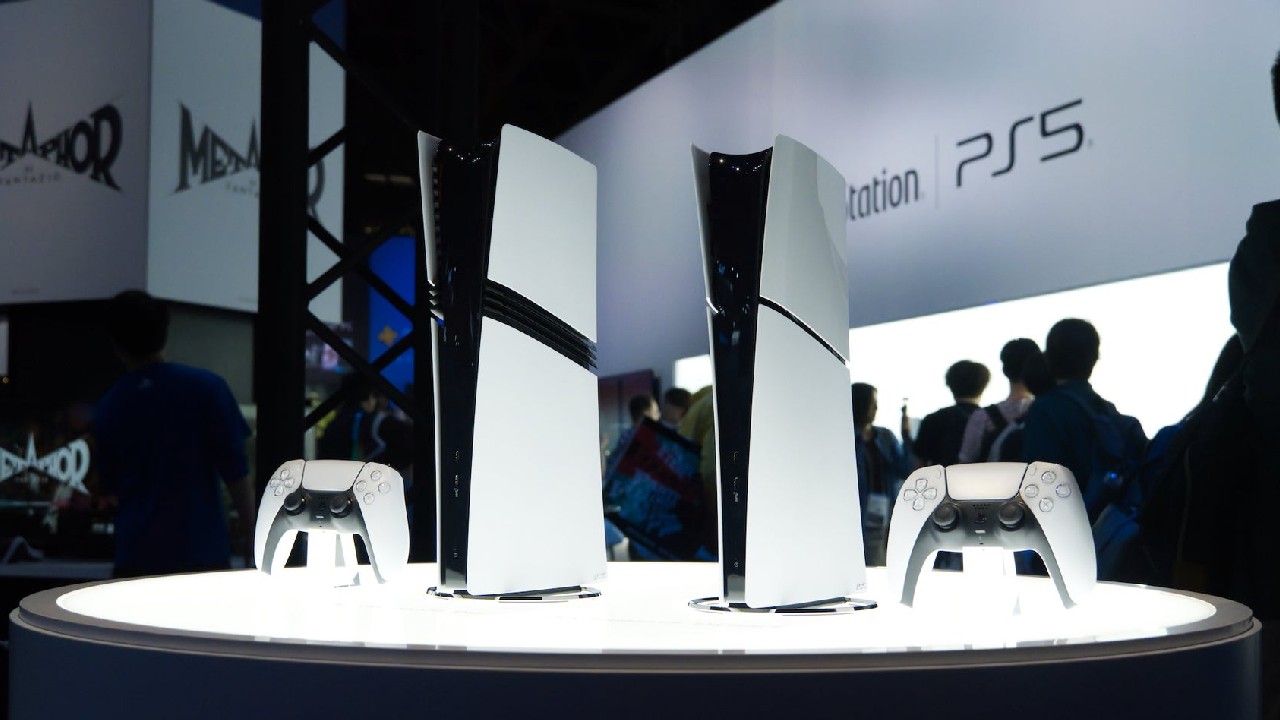
At the moment, there is no confirmation from Sony on whether disc-based PS5 titles will remain playable on PS6. That uncertainty sits at the center of the physical media debate, since a lack of disc support would mean anyone with a physical collection could not simply move it to the new hardware.
Physical Media Support Remains a Sticking Point
Reactions to this uncertainty tend to fall into a few groups. Some people stick with older systems because a new one is not within budget. Others sell their old system the moment a replacement arrives and move on without hesitation. Then some keep every previous system regardless of what comes next.
This upcoming transition may behave differently from past ones, since it combines a steep price increase with the removal of features gamers have come to expect, a combination that has no real precedent. If cross-generation releases continue for an extended stretch, holding on to a PS5 or Series X becomes an easier decision, since new games would still run on existing hardware.
Past console transitions cannot fully predict behavior this time, since the scale of what is changing has no clear equivalent in earlier generations. Committing money to a digital-only system before knowing the full picture is not something every buyer will be willing to do. For some, a digital-only console fails to become the centerpiece system that new hardware normally becomes.
Reserving judgment until Sony and Microsoft lay out their actual plans is the more measured path, since dismissing an unannounced product before it is fully explained skips over information that has not been shared yet. One scenario worth considering is a handheld PS6, running games at a PS5 level of performance.
A device positioned that way could reframe the entire disc conversation, since a portable machine was never going to run Blu-ray discs in the first place. Framing and positioning a product this way could shift general opinion, even if the underlying hardware change stays the same.
A console that arrives at a higher price with fewer features than its predecessor is a different story, and reception will depend heavily on how that trade-off is communicated.
Comparing the PS4 to PS5
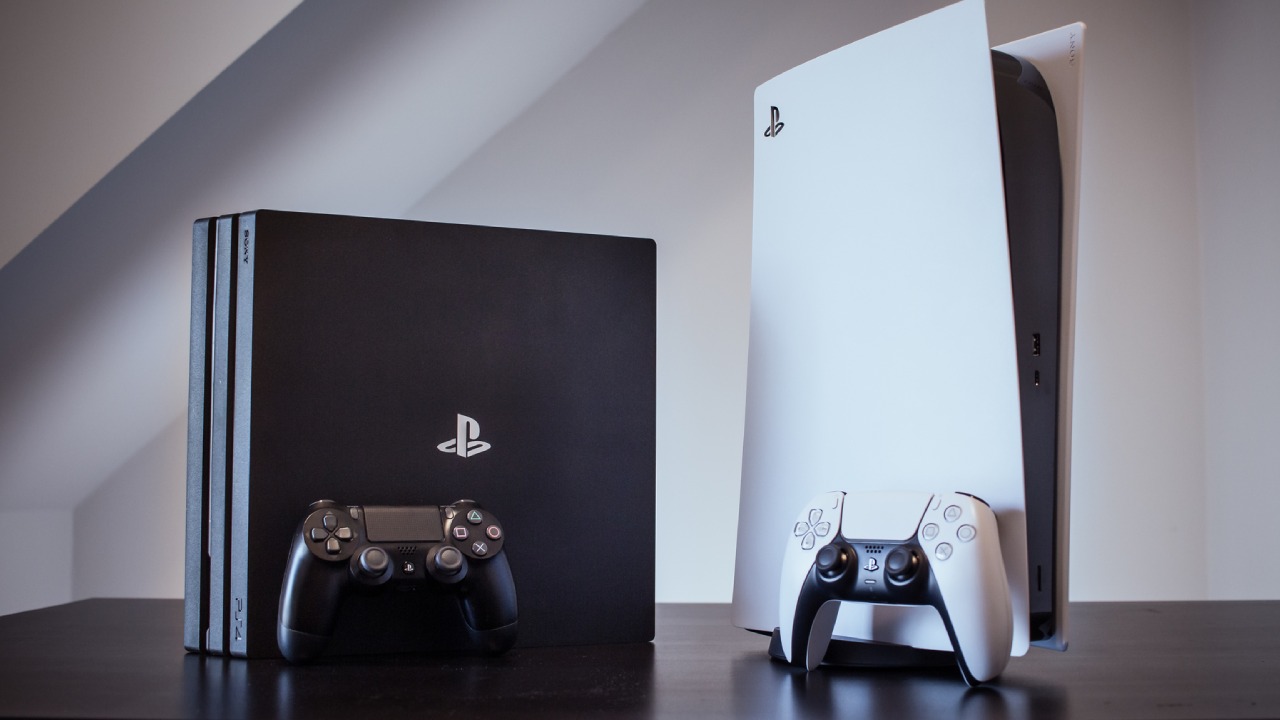
The move from PS4 to PS5 offered a clear incentive to upgrade: PS5 hardware ran PS4 software with noticeably better performance, on top of unlocking PS5-exclusive titles. That combination gave PS4 owners a reason to leave their old system behind entirely.
This time, PS5 software already runs well, which removes the same pull toward a hardware jump that existed during the PS4 generation. Anyone holding a disc collection built around a PS5 also faces the possibility of losing access to it altogether if PS6 ships without disc support. This scenario did not exist during the PS4-to-PS5 shift.
Not always has physical media been an aside. The first PS3 model could play CDs, SACDs, DVDs, and Blu-rays, as well as a lot of PS1, PS2, and PS3 software. It also had an HDMI output that worked well with all three generations. It was a great system for people with games from different PlayStation generations because it could play a lot of them.
PS5's backward compatibility is much smaller in comparison. Most of the games supported are PS4 and PS5, but there are also a few PS2-on-PS4 games, some emulated PSP games, and some PS1 and PS2 games. That leaves a much smaller selection of software that can be used than what the PS3 had.
Microsoft published an explanation after its outage, while Sony has offered limited public engagement.
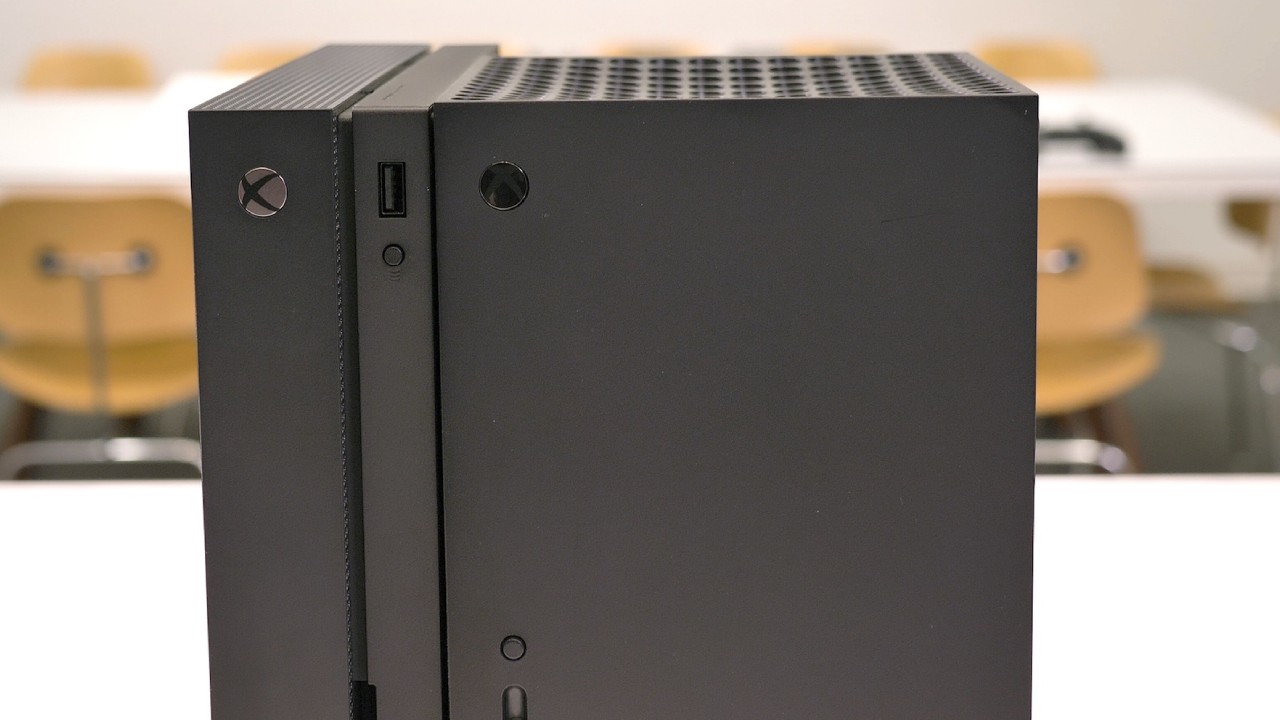
Microsoft addressed its outage directly, publishing an explanation of what happened and outlining efforts to prevent a repeat, even though no company can guarantee an outage will never happen again. What stood out was the willingness to communicate with users.
Sony has taken a different approach, offering little public engagement or explanation, an approach that leaves users without the information Microsoft chose to share. Sony has only made one public statement about its plans for physical media, and it was mostly met with negative reactions that led to a lot of talk on social media.
Sony hasn't said whether they are thinking about a disc-to-digital program, an external disc drive connection, or some other option. Based on what we know so far, the base PS6 hardware won't have a built-in disc drive.
Reports suggesting Microsoft's direction point toward a different approach. According to sourcing described as still developing, Microsoft was working to preserve access to existing XBOX game libraries on future hardware, not out of interest in retail disc sales, but to ensure previously purchased titles remain playable.
Editor, NoobFeed
Latest Articles
No Data.