
RTX 3060 Returns: GPU Market Shift Driven by VRAM Demand and Supply Constraints
The return of the RTX 3060 reflects changing market dynamics as VRAM capacity becomes increasingly important.
Hardware by Masaru Hoshino on Jun 22, 2026
Looks like a 5-year-old GPU is getting a second wind, as news of the graphics card market returning to active production has been circulating. In this conversation, we discuss supply chain constraints, memory limitations, and the surprising relevance of older hardware to modern gaming needs. Hardware once dismissed as legacy is now being reconsidered as a sensible solution for modern market needs.
RTX 3060 Production Restarts, New Board Partners
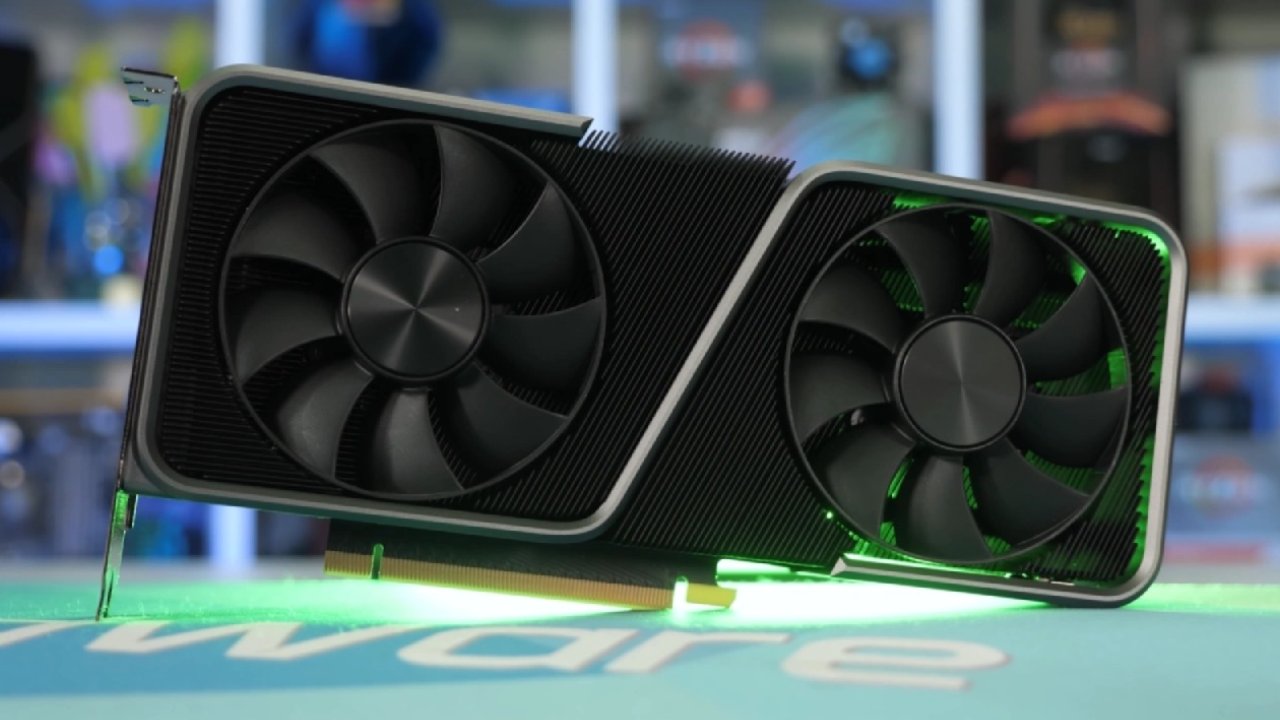
RTX 3060 is said to be back in production through several partners, including Manli, which has launched a revised 12GB edition with 3584 CUDA cores and the usual RTX 3060 specs. Apart from this, a 6GB RTX 3050 model has also been spotted, reducing the memory capacity from the original 8GB configuration and affecting bandwidth and overall performance.

There are suggestions that other board partners, like ASUS, MSI, and Galax, might get involved in a limited re-release, though how widespread that might be is unclear.
Nvidia Supply Chain Claims, Production Confusion
Nvidia has said in conversations that these GPUs have never truly stopped being produced, even though their availability in retail channels such as Amazon and Newegg has been scarce. The disparity between claimed output and actual availability has fueled speculation about backstock, small production runs, or controlled supply allocation.
It's not clear what is happening here, especially given that newer-generation GPUs are now on the market and where these returned chips fit into the larger product strategy.
Why RTX 3060 is Still Relevant for Modern Gaming
Even now, the RTX 3060 12GB still holds up well for many modern gaming workloads. With 12GB of VRAM, good rasterization performance, and support for DLSS, the card can run modern games at 1080p and 1440p with pretty stable settings.
DLSS dramatically increases performance scalability, making demanding games playable even without high-end hardware. The card still aligns closely with what we expect from modern game performance, particularly when used with optimized settings and upscaling technology.
VRAM Constraints and the 8GB Bottleneck Problem
But the constraints have become increasingly evident in modern game development for lower-VRAM systems. The 6GB RTX 3050 model is now considered appropriate only for esports-level workloads, with 8GB GPUs sometimes needed to reduce texture quality in AAA titles.
On the other hand, 9GB and beyond is generally considered a more acceptable limit for current gaming, particularly if you're running high-resolution textures and higher graphics settings. That RAM difference directly affects how well games scale to the graphical presets without a performance hit.
Super Series and 3GB Memory Module Strategy Rumors
There are still claims that a supermodel will be added to the next-generation lineup, with certain versions reportedly offering 9GB or 12GB of memory. These are said to be based on the usage of higher-capacity 3GB memory modules replacing the typical lower-capacity versions.
In some circumstances, this is done by using fewer memory chips, thereby increasing capacity but potentially decreasing memory bandwidth due to a narrower memory bus. However, this compromise can be slightly mitigated by faster memory standards like GDDR7, which can substantially increase effective throughput even with a narrower bus width.
These design choices are an ongoing effort to strike a balance among cost, performance, and memory availability given current supply constraints.
Market Stability and the Continued Relevance of Older GPUs
Hardware requirements are more stable, so older cards like the RTX 3060 still have plenty of life left. But even 5-year-old graphics cards are more than capable of delivering acceptable performance on many contemporary titles, especially when paired with upscaling techniques.
This is different from prior generations of graphics technology, where performance advances were so rapid that previous models quickly became obsolete. The environment is moving slowly on baseline needs, making moderately older GPUs more viable over time.
Legacy Hardware and Industry Humor Around GPU Revivals
The talk about reborn GPUs has also led to some funny industry comparisons, including mentions of older cards like the GTX 1660 still showing up in retail circulation. There's even some tongue-in-cheek conjecture about extreme legacy comebacks, such as the Radeon Fury X, which illustrates how older architectures sometimes re-enter the discourse when market conditions tighten.
In terms of performance comparisons, there are generational leaps, too. High-end current GPUs like the RTX 5090 offer far greater performance margins over earlier architectures, often delivering more than 700% improvements over legacy cards like the Fury X.
But this rehash of prior GPUs is a good example of how the industry's practical needs often outpace pure generational advancement, especially when cost and availability start to dominate the equation.
Editor, NoobFeed
Gaming Hardware Updates
No Data.