
Why Nvidia Made a 9GB RTX 5050: GDDR7 Bandwidth and GPU Lineup Strategy
Why the RTX5050 May Use a 96bit Memory Bus With GDDR7 Instead of the Existing 128bit GDDR6 Design.
Hardware by Tanisha Aria on Mar 11, 2026
New information from multiple sources makes the RTX 5050 9GB version look real. A model with that much memory was already believed to exist by many.
Still, new information confirms that Nvidia is making an RTX 5050 with 9GB of memory. Right away, the news makes people wonder why this strange design was chosen and how it fits into the rest of the RTX50 series.
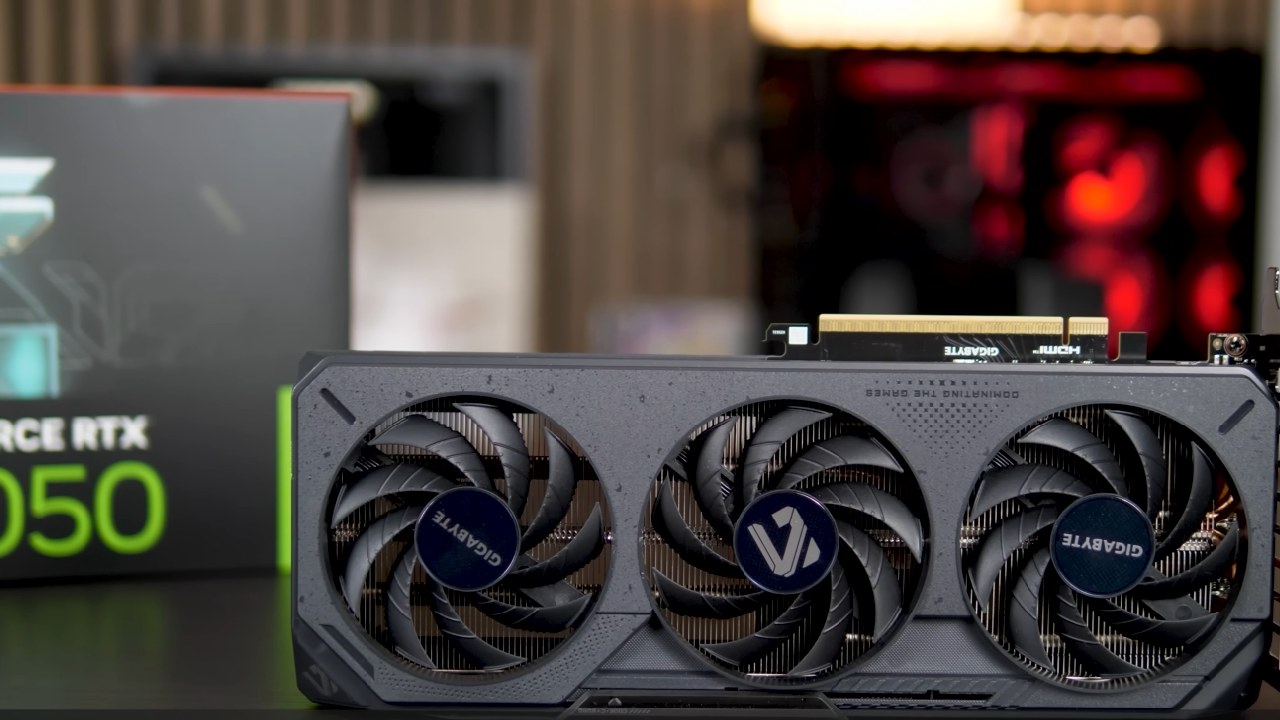
Confirmation of the RTX 5050 9GB
Several sources in the business world have confirmed that the RTX 5050 9GB will be released. One person in retail said the card is supposed to come. Still, they also said Nvidia hasn't given partners a clear explanation for why this configuration exists. Even people inside the company don't seem to know why the choice was made.
When we asked people with ties to Nvidia for help, they gave us similarly vague answers. When we talked to people, they didn't give us a detailed answer, and sometimes they just laughed. From the recorded talks, it looks like even some people in the ecosystem don't know why the RTX 5050 9 GB configuration was chosen.
This lack of clarity suggests the product may have been chosen fairly late in the development process.
Understanding the Bandwidth Strategy
There are some hints in the specs about what might be going on. It is said that the latest desktop RTX 5050 uses GDDR6 memory with a bandwidth of about 320 GB/s. When you think about the new memory technology, that number becomes important.
The bandwidth would be much better if Nvidia switched the RTX 5050 to GDDR7 memory, kept the 128-bit bus, and increased the capacity to 12GB. This configuration might work better than the RTX 5060 in some cases, especially when more VRAM is important.
NVIDIA might use a 96-bit memory bus with GDDR7 modules instead of the overflow to avoid it. With that setup, bandwidth would increase only slightly more than with the current RTX 5050 8GB model. If you look at memory speeds, the change might be as little as 5%.
Looking at it this way, the 9GB version makes more sense. When you use three 3GB memory modules on a 96-bit bus, you automatically get 9GB of VRAM. But because the bus is narrower, the card doesn't get much additional bandwidth benefit.
Why GDDR7 Instead of GDDR6
Even if bandwidth alignment is what accounts for the difference in memory capacity, there is still one more question: why switch to GDDR7?
One reason could be that the RTX50-series range has been updated in more ways. Possible options with more VRAM capacity using 3GB memory modules have been talked about for a while now. This means the stack could change to: RTX5090 with up to 48GB; RTX5070 with 18GB; RTX5060 with 12GB; and RTX 5050 with 9GB.
These kinds of changes might appear as part of a mid-generation update aimed at extending the lifespan of the RTX50-series.
Preparing for a Potential Mid-Generation Refresh
If the next generation of GPUs is delayed beyond plan, it might make sense to use a refresh approach. That being the case, Nvidia might release new memory options to keep the lineup competitive.
NVIDIA could bring the whole stack up to date while keeping GPU architectures mostly the same by using 3GB GDDR7 modules across many of its products. Within that new system, the RTX 5050 9GB would just become the base model.
We can also consider the possibility that Nvidia plans to buy a large amount of GDDR7 memory in a single purchase. If supplies improve later in the product cycle, it might be worth switching lower-end cards to GDDR7.
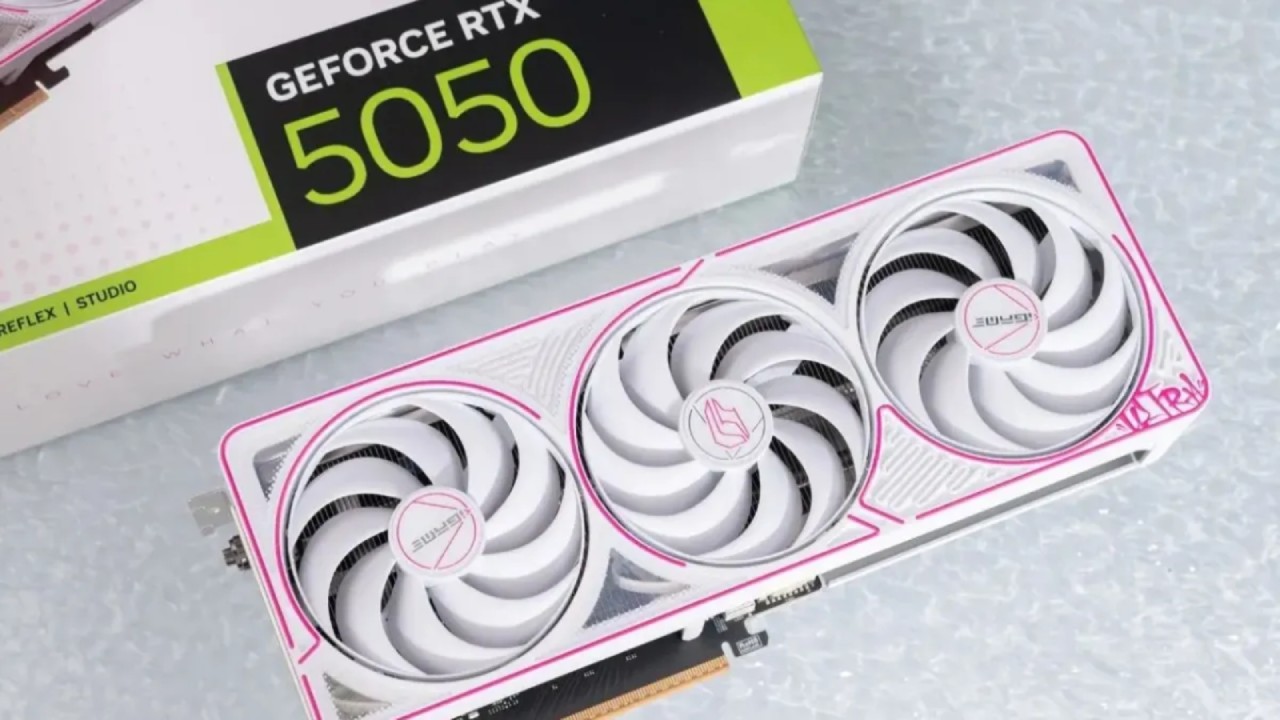
Supply Chain Considerations
Another possible reason concerns remembering and planning for the future. As the market moves toward GDDR7, Nvidia may slowly move away from GDDR6.
If the business gets big orders for GDDR7 modules, it might need more goods that can use that type of memory. The RTX 5050 could be a flexible base that lets Nvidia keep making products even if GDDR6 supplies run out or become too expensive.
So, the RTX 5050 9GB could act as a release valve in the product stack, letting Nvidia adjust its production based on available memory.
Could Nvidia Have Chosen 12GB Instead?
Some people might be curious about why Nvidia didn't just put 12GB of memory in the RTX 5050. If it had GDDR7 and a wider bus, this kind of card might run much faster.
But that could bring the card's speed too close to the RTX 5060's. NVIDIA usually keeps clear lines between its product lines, but an even stronger RTX 5050 could mess up that framework.
In a technical sense, a 12GB version might be better for the customer. With that much memory and more speed, a card could perform much better in tasks that use a lot of memory.
Instead, Nvidia seems to be imposing limits on the card deliberately so it stays within the range.
Final Thoughts
The RTX 5050 9GB looks like a real future product, but the company that made it hasn't officially explained why it's set up the way it is. Keeping the card's bandwidth the same as the current model, preparing for a possible GDDR7-based refresh of the RTX50-series, and avoiding too close a fight with higher-end GPUs are the most likely explanations.
At first glance, the 9GB capacity may seem strange. Still, it's probably the result of a technical compromise between memory design, performance segmentation, and strategies for the future supply chain. It will be easier to see what role the RTX 5050 9GB plays in Nvidia's larger GPU lineup as more details about its plans become public.
Also, check our other NVIDIA articles below:
- NVIDIA GeForce RTX 5080 Review (2025): Still A 4K Gaming Powerhouse?
- NVIDIA RTX 5070 Review: Mid-Range Muscle or Marketing Hype?
- RTX 5070 Ti Review: Performance, Thermals & Power Efficiency Tested
- ASUS GeForce RTX 5090 LC Liquid Cooled GPU Review: Unmatched Silence & Speed
- MSI GeForce RTX 5090 32GB SUPRIM SOC Review: Power Efficiency, Cooling, and Gaming Performance
- INNO3D RTX 5060 Ti 16 GB X2 Review: Gaming Benchmarks, Temps, and Power Efficiency
- HP Omen 45L Review: RTX 5090 Performance, Thermals, and Value Analysis
- ASUS TUF Gaming GeForce RTX 5060 Ti Review: DLSS 4, Power Efficiency, and Gaming
- ASUS Prime RTX 5060 Ti OC 16GB Review: DLSS 4, Ray Tracing, & Thermals Tested
- NVIDIA GeForce RTX 5060 Review: Specs, Gaming, and Cost per Frame
- MSI GeForce RTX 5090 GAMING TRIO OC Review: A Monster Power GPU
Contributor, NoobFeed
Gaming Hardware Updates
No Data.