
AMD RX 9000 Series Faces 10–15% Price Hike as VRAM Shortage Escalates
AMD's traditional advantage of delivering higher VRAM capacities at competitive prices faces unprecedented pressure.
Hardware by Masaru Hoshino on Jun 22, 2026
Every new GPU generation is supposed to bring relief for gamers: better performance per dollar, improved efficiency, and at least a small reset on pricing expectations. The arrival of AMD's next wave, the Radeon RX 9000 series, initially carried that familiar promise of renewal.
But according to a new industry report circulating via Wccftech, that optimism is now colliding headfirst with an uncomfortable reality. Instead of the usual generational price stability, AMD is reportedly preparing a 10% to 15% price increase across the Radeon RX 9000 series, a move driven not by performance ambitions but by a rapidly deteriorating memory supply chain.
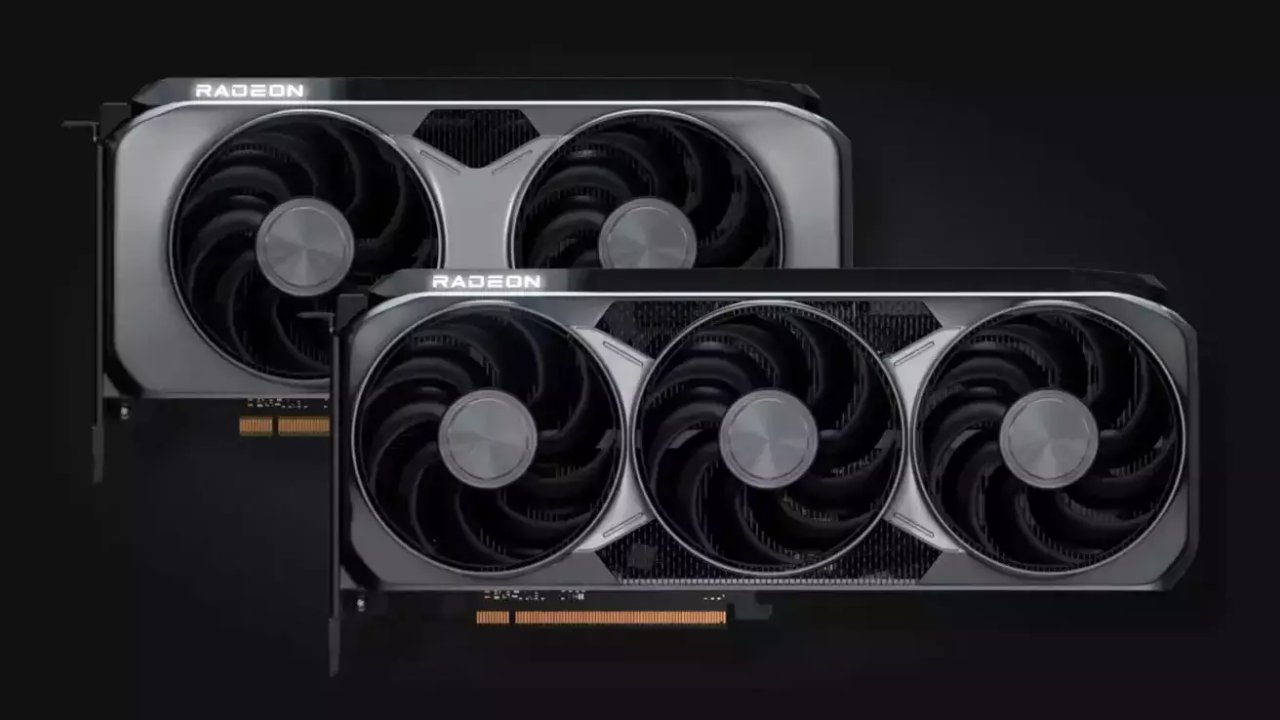
What is unfolding is not just a routine pricing adjustment. It is a structural shift in the economics of modern GPUs, shaped by a global DRAM and VRAM shortage that is quietly rewriting the rules of the graphics card market.
VRAM Crisis and AMD's Dilemma: When "More Memory for Less" Stops Working
For years, AMD's Radeon strategy has leaned heavily on a simple but effective identity: offer more VRAM than competing GeForce cards at a similar price point. That mindset allowed Radeon to carve out a niche in a market where NVIDIA generally prioritized efficiency, features, and software ecosystems over raw memory capacity.
But that advantage is now becoming expensive to maintain.
The ongoing GDDR6 and next-generation GDDR7 memory shortages have sent component prices sharply higher, with manufacturers struggling to meet demand from GPUs, AI accelerators, and high-performance compute hardware simultaneously. The result is a cascading cost problem in which memory is no longer a minor line item on the bill of materials—it is a dominant cost driver.
For AMD, this creates a difficult balancing act. Maintaining Radeon's traditional "VRAM-rich" configurations while absorbing skyrocketing memory costs would either erase profit margins or force internal compromises elsewhere in the stack. Cutting VRAM, however, risks weakening one of Radeon's strongest competitive identities.
The so-called "Rampocalypse"—a fitting label for this memory-driven market shock—is effectively forcing AMD to raise baseline pricing just to keep the product stack financially viable. Even the adoption curve for newer memory standards like GDDR7 is not offering relief, as supply remains tight and expensive at launch scale.
Destroying the Mid-Range Bracket
While a headline 10% to 15% price hike may sound manageable in isolation, its real impact becomes far more severe in the segment that actually drives the PC gaming market: the mid-range.
.jpg)
Consider a hypothetical Radeon RX 9000-series GPU originally priced at $400. A 15% increase pushes that card to approximately $460. On paper, that is a $60 jump. In practice, it fundamentally changes its market position. That price shift can move a card from "strong value recommendation" territory into direct competition with higher-tier previous-generation hardware or with discounted NVIDIA alternatives.
Now scale that to a 50-class GPU. A 15% increase brings it close to $575, pushing it uncomfortably near upper-midrange pricing where expectations for performance and longevity rise sharply. This is where most DIY builders operate, and where price sensitivity is highest.
The critical issue is that VRAM costs do not scale linearly with performance tiers. Even budget and mid-range cards require modern memory configurations, and AMD cannot simply "cheap out" on memory without undermining competitiveness. This is why the pressure hits Radeon especially hard, even compared to Advanced Micro Devices' rival NVIDIA.
The result is a shrinking affordability gap. Instead of generational upgrades bringing relief, each tier is drifting upward together, compressing what used to be a healthy pricing ladder for gamers.
Editor, NoobFeed
Gaming Hardware Updates
No Data.