
GDDR6 and GDDR7 Shortages: What It Means for Future GPU Prices
Rising AI-related memory demand is creating significant pressure on GPU supply chains across multiple segments of the industry.
Hardware by Tanvir Kabbo on Dec 25, 2025
GPU affordability and availability are becoming major concerns going into the next year. Recent reports indicate that the rapid growth of AI data centers is straining supply chains for both DDR5 and graphics memory, such as GDDR6 and GDDR7.
As demand for computing continues to rise sharply, these shortages are beginning to affect consumer GPU markets as well.
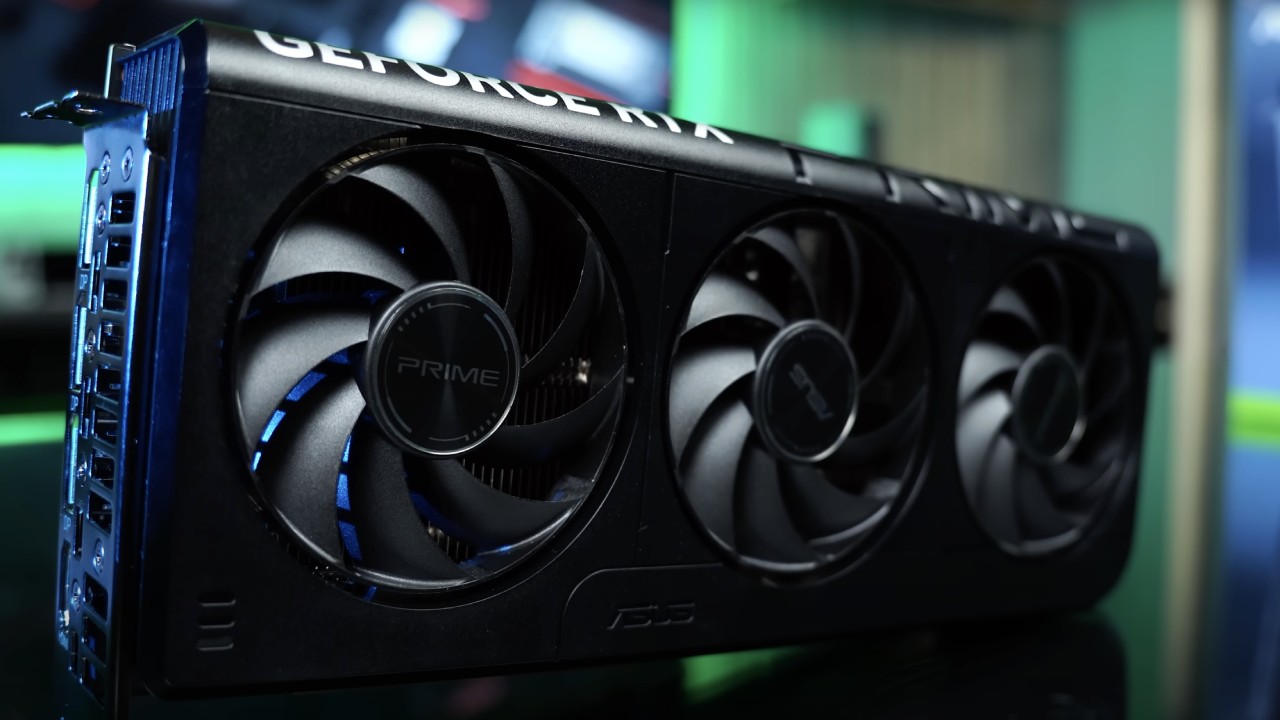
Memory Prices Are Spiking, and GPUs May Be Next
TechSpot said that DDR5 costs have doubled because AI still needs a lot of DRAM. Data centers are racing to get as much memory as they can, which is putting pressure on graphics memory supply. This has led to worries that GPU prices may also rise. TechPowerUp provides similar warnings, noting that AMD is preparing for GPU price increases as memory costs rise.
A post on a board channels forum claimed that AMD informed partners that memory pricing has risen enough that its next wave of GPUs will be priced higher. The article also states that Nvidia is rumored to be planning a similar increase in early 2026, with both companies caught in the same memory shortage rather than driving the price hikes themselves. The reports suggest that retail pricing changes could appear within weeks or months.
Rumors of Discontinued Budget GPUs
A report from pcguide.com raises an even more concerning possibility by stating that Nvidia and AMD may consider discontinuing their cheaper GPUs due to memory shortages. A friend within the PC hardware ecosystem has also claimed that GPU prices might even double next year. We do not necessarily expect every GPU to double in price.
Still, certain models, especially those in which memory accounts for a large share of manufacturing costs, may be at higher risk. A card like an RTX 5060, for example, could be significantly impacted if memory remains difficult to source at stable prices.
Could GPUs Actually Double in Price?
While it is unlikely that all GPUs will sharply increase in price, there is a real possibility of noticeable inflation across the market. With data centers consuming unprecedented amounts of memory and compute hardware, suppliers are under strain.
That pressure is beginning to affect the consumer space. This creates a valid concern for anyone planning a GPU upgrade soon.
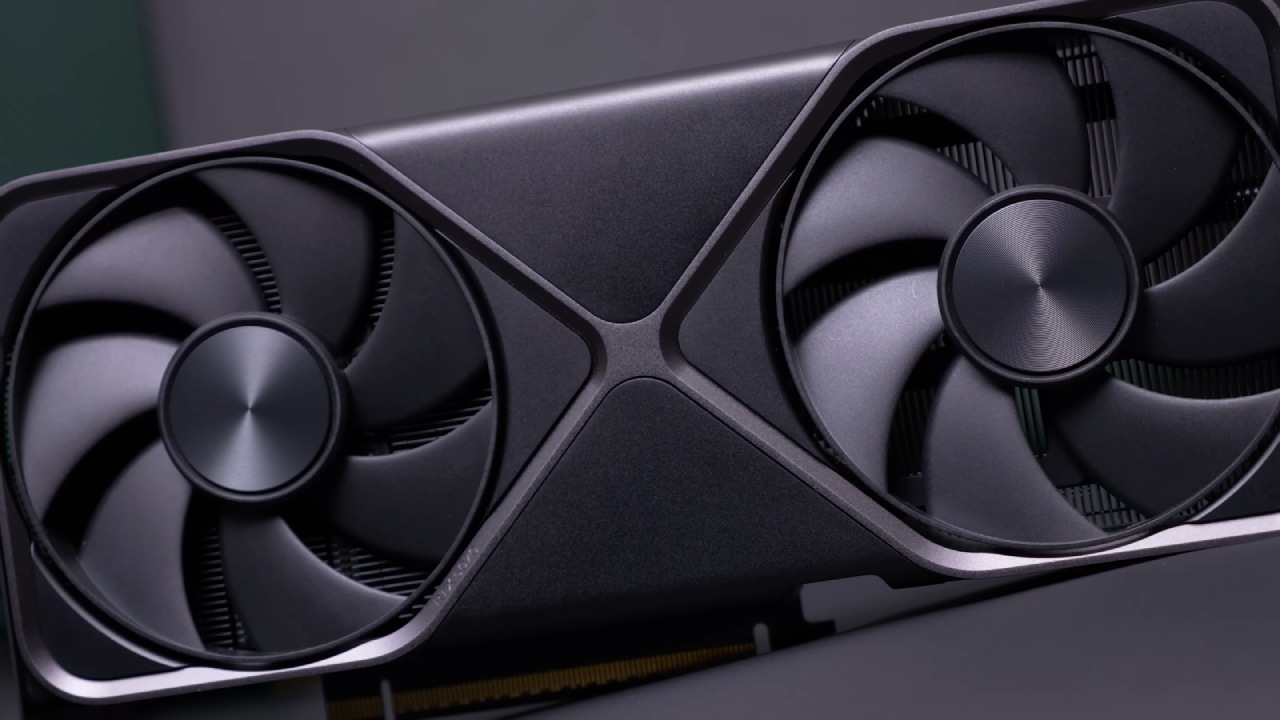
Should You Buy a GPU Now?
If you've been waiting for the proper time to buy a GPU, it might be a good idea to do so sooner rather than later. A lot of GPUs are presently at or below their MSRP, and it seems like the risk of waiting is bigger than the danger of buying now. There isn't much of a negative to buying right away because prices can go down a little.
Still, given current demand levels and supply-chain pressure, most GPUs likely have little room to drop further. The upside of acting now is avoiding the possibility of large price increases sometime next year. If you think a particular model may drop in price, it still may make sense to wait. But for the market as a whole, it looks like now is a good time to buy.
There is also doubt about upcoming products, such as the RTX 50 Super series. If GDDR7 is already hard to find, releasing new GPUs that require even more GDDR7 could cause production delays or very limited early supply at high prices. It is not smart to expect these models to come quickly or at a low cost.
Current GPU Pricing and Value
There are still a lot of good deals on GPUs. Zotac RTX 5060 Ti 8GB is on sale for $329.99 on Black Friday. This is a good value for people who are okay with lower settings and know that it may not last as long as higher-end cards. Amazon has the RTX 5060 Ti 16GB for $419.99, which is slightly below the MSRP. MSI Gaming RTX 5070 12GB Shadow's price has dropped from $550 at launch to $529.99, which is a good deal given the market conditions.
Gigabyte Windforce RTX 5070 Ti is available at its MSRP of $749.99 and continues to be viewed as one of the best-priced cards in the entire RTX 50 lineup. RTX 5080 is also available at MSRP. It works well, but it's not as good a deal as RTX 5070 Ti.
These prices are good, but we don't think you should buy a GPU just because you're scared. You don't need to rush to update if your present system works well and you're happy with how it performs. If you were already planning to upgrade soon, however, now may be the safest window before supply constraints push prices higher.
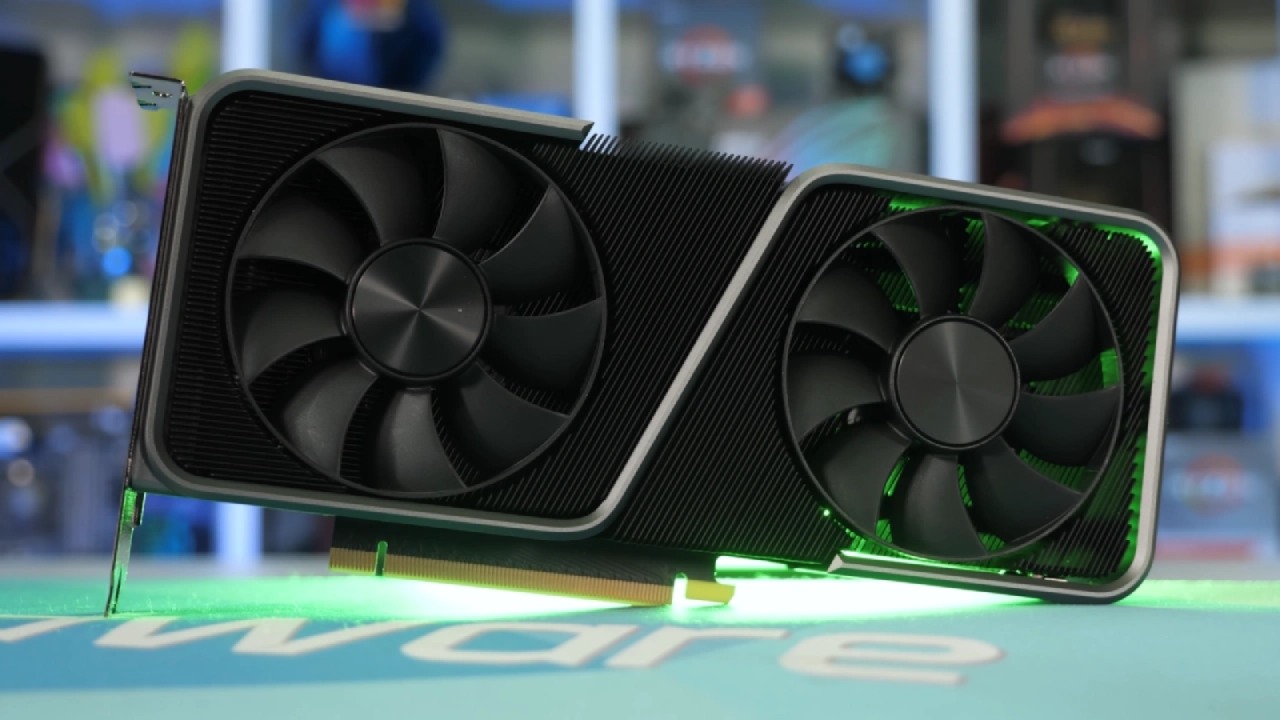
Final Thoughts
There is no sure way to know what GPU prices will be in the next few months, but right now, it looks like they will go up more than down. If you're thinking about obtaining an upgrade, it appears that the risk of waiting is higher than the risk of buying now, especially since memory shortages are getting worse and demand for AI is growing quickly.
It is not yet clear whether GPU prices will really rise or if these worries are overblown. However, the information we have now suggests that anyone planning to buy a GPU in the future should be cautious.
Also, check our other NVIDIA articles below:
- NVIDIA GeForce RTX 5080 Review (2025): Still A 4K Gaming Powerhouse?
- NVIDIA RTX 5070 Review: Mid-Range Muscle or Marketing Hype?
- RTX 5070 Ti Review: Performance, Thermals & Power Efficiency Tested
- ASUS GeForce RTX 5090 LC Liquid Cooled GPU Review: Unmatched Silence & Speed
- MSI GeForce RTX 5090 32GB SUPRIM SOC Review: Power Efficiency, Cooling, and Gaming Performance
- INNO3D RTX 5060 Ti 16 GB X2 Review: Gaming Benchmarks, Temps, and Power Efficiency
- HP Omen 45L Review: RTX 5090 Performance, Thermals, and Value Analysis
- ASUS TUF Gaming GeForce RTX 5060 Ti Review: DLSS 4, Power Efficiency, and Gaming
- ASUS Prime RTX 5060 Ti OC 16GB Review: DLSS 4, Ray Tracing, & Thermals Tested
- NVIDIA GeForce RTX 5060 Review: Specs, Gaming, and Cost per Frame
- MSI GeForce RTX 5090 GAMING TRIO OC Review: A Monster Power GPU
Senior Editor, NoobFeed
Gaming Hardware Updates
No Data.