
DDR4 Memory Making a Comeback as the PC Industry Braces for a World Without Cheap DDR5
Motherboard manufacturers and memory companies are increasing DDR4 production as DDR5 prices climb sharply.
Hardware by Shinji Okazaki on Jul 04, 2026
The PC industry spent years pushing DDR5 as the clear successor to DDR4, and for a while, it looked like DDR4 was fading out entirely. That trend has reversed. Rising DDR5 prices, tightening memory supply, and AI-driven demand pulling manufacturer attention away from consumer memory have pushed builders and manufacturers back toward DDR4, turning what looked like an outdated standard into a practical option again.
Multiple sources confirmed that demand for DDR4 platforms has grown significantly as DDR5 pricing continues to climb, making it out of reach for many builders. Some older DDR4 motherboards may return to the market as a result, and at least two vendors have confirmed plans to ramp production of DDR4-supporting motherboards through the second half of the year and into 2027.
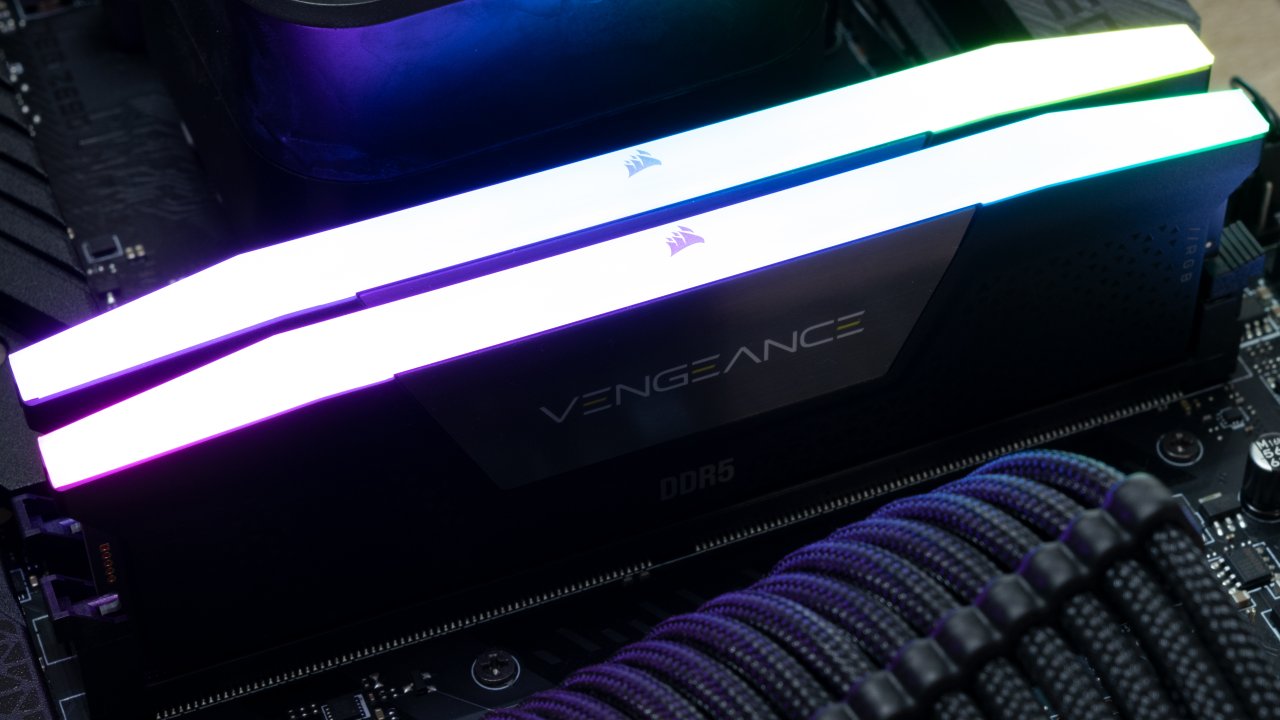
Why DDR4 is Easier to Produce Right Now
This is not a sign that DDR4 has become better than DDR5. It reflects the fact that DDR4 remains cheaper, more mature, and simpler to manufacture at a time when DDR5 production faces real constraints. Part of DDR4's renewed appeal stems from its manufacturing complexity.
DDR5 requires more advanced packaging, including an integrated power management IC, which has become one of the tighter bottlenecks in the current memory supply chain. DDR4 is simpler to package and produce, which helps keep its pricing from rising as quickly as DDR5. That said, DDR4 is not immune to supply pressure either, since wafer allocation remains a broader bottleneck across the industry.
What This Means for Budget PC Builders
Demand driven by AI is still putting a strain on memory supplies, and sales of motherboards have reportedly slowed as people hold on to their old systems longer. However, businesses are constantly looking for ways to keep budget builds going so they don't have to rely on only the newest, most expensive platforms. In the business world, DDR4 is not a step backward.
It's trying to stay alive for the budget end of the market at a time when the normal path of upgrading is much harder to make sense of. AMD's AM4 platform illustrates why this matters so much. Despite its age, AM4 still has a large installed user base, and many owners can upgrade to a stronger CPU without replacing their motherboard or memory.
That makes an AM4 upgrade considerably cheaper than building an entirely new platform from scratch, which keeps it a popular option among budget-focused gamers even years after its original release. For most gaming builds, that ceiling matters less than it might seem, since typical users prioritize stable performance and lower cost over pushing memory speeds to their absolute limit through overclocking.
DDR4's comeback does come with real limits.
The most sought-after high-end DDR4 kits are unlikely to return in their original form, since some of the most popular enthusiast-grade memory chips, including Samsung B-die, are no longer in production. That means most of the newer DDR4 kits reaching the market will top out around DDR4-3600.
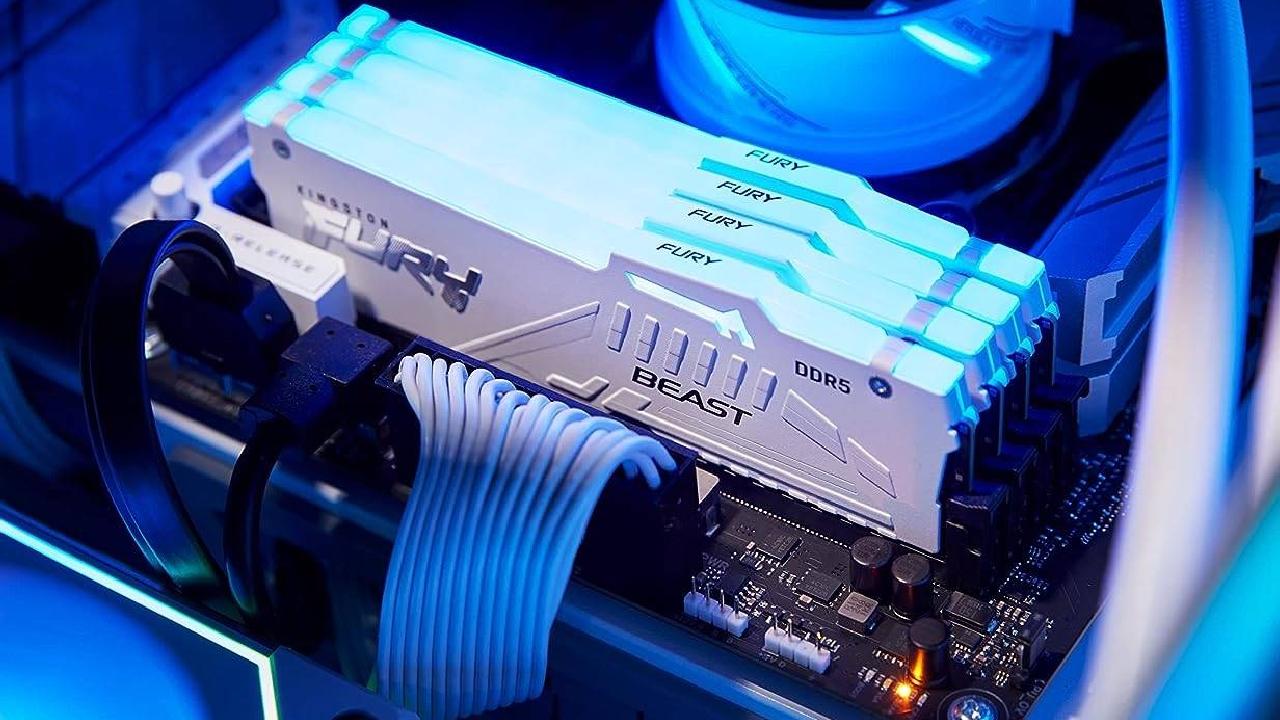
DDR4's resurgence says a lot about where the broader PC hardware market stands right now.
Instead of moving forward in a straightforward progression from one memory standard to the next, manufacturers are being pushed to bring back older technology because newer technology has become too expensive for a large share of buyers.
But at the same time, businesses are actively looking for ways to keep budget builds alive rather than relying solely on newer, more expensive platforms. DDR4 does not take the business world backward. This is a way for the cheaper end of the market to stay alive at a time when the normal upgrade path is much harder to make sense of.
Editor, NoobFeed
Gaming Hardware Updates
No Data.