
PlayStation Plus Cancellations Grow Over Digital Push
The physical media fight has turned into a mass subscription exodus, and Sony's response has only made it worse.
News by Adeela Tas on Jul 05, 2026
You've probably seen the wave of people canceling PlayStation Plus in protest over the last few weeks. What started as a fight over physical media has snowballed into something bigger, with other companies mocking Sony, fans openly rejecting the platform's direction, and reports that PlayStation Plus prices could climb even higher soon.
Fans are reportedly quitting PlayStation Plus specifically because of the digital-only push. People are upset, and it's easy to see why. Mass cancellation is one of the few ways you actually have leverage over a company like Sony, and right now it seems to be working.

You'll find plenty of examples: someone refunded Grand Theft Auto: The Trilogy and canceled PlayStation Plus in the same post. Another said they're letting their subscription lapse at the end of this month. Others canceled outright, citing the physical media situation directly.
People are even mocking Sony's automated cancellation email.
Alongside the cancellations, players keep bringing up the old Insomniac leak as further proof that this shift feels dishonest. Insomniac, the studio behind Spider-Man, Wolverine, and Ratchet & Clank, was hacked a while back, and internal data leaked showing how Sony's own games performed physically versus digitally.
According to sources, the leaked data tells a very different story from what Sony says publicly. Sony's often-cited claim that digital makes up 78% of console sales gets misleading once you dig in, since that number lumps in indie titles and older games that were never sold physically to begin with.
Comparing only titles released in both formats paints a different picture entirely. Once you isolate those games, the leaked numbers show 31 of 33 major story-driven exclusives sold more copies physically. Uncharted 4 hit 83% physical sales.
Sackboy and Ratchet & Clank: Rift Apart passed 75%. Spider-Man and The Last of Us Part II both topped 60%. The exception was games-as-a-service titles like MLB The Show, where digital made sense for regular play sessions. So the claim that Sony's own titles sell better digitally doesn't hold up once you move past the headline statistic.
The financial motive is obvious once you think it through.
Retailers typically take around 30% on every physical copy sold, so publishers lose a real chunk of profit each time someone buys off a shelf. Go fully digital, and Sony keeps everything on first-party releases. That gives Sony a clear incentive to push people away from physical copies, even if it costs you flexibility and choice.
And since this data came from an internal Sony-owned studio, it's hard to dismiss as outside speculation. The damage control followed quickly. Vice reported that only 12% of sales for Sony's top games in 2026 were physical, citing Alinea Analytics data. EA Sports FC 26, the platform's top seller, reportedly sold just 12% of its units physically. Resident Evil Requiem came in at 27.8% physical.
Arc Raiders showed up as fully digital, but it was never sold physically to begin with, which skews the comparison. Forza Horizon 5 is used the same way, despite being digital-only on PlayStation. Even so, Vice's own reporting admitted Sony's first-party games still sell more physically than third-party ones, citing that same Insomniac leak.
Physical media clearly still matters to a real chunk of players. Retro games prove it: Super Nintendo cartridges sell for hundreds of dollars, and old PlayStation 1 and PS3 titles do too. X-Men Origins: Wolverine on PS3 is currently listed at around $110 on Canadian eBay.
There's a real chance today's PlayStation games could become tomorrow's collector's items if kept sealed.
The same way Super Nintendo cartridges are treated now. Owning something physically feels different from holding a license to stream it. This isn't unique to games, either; look at how massive the trading card industry still is. Pokémon cards are booming, and Magic: The Gathering keeps pulling in serious money, with booster boxes that used to cost around $200 now closer to $300.
Even outlets, which don't usually side against corporate decisions, called Sony's approach offensive, arguing that digital purchases can't be fully trusted since access depends entirely on the platform. Being able to redownload something you already paid for should be a baseline expectation, not a bonus.
This connects to what happened when StudioCanal pulled over 500 movies from PlayStation's library. Whether people had paid for those movies didn't matter once the licensing agreements expired; access disappeared for everyone. That's the exact fear fueling the current backlash: you never really own what you buy, and it can vanish the moment a license runs out.
Making things feel more permanent, The Verge reported that Sony's disc-manufacturing factory in Austria, historically responsible for a huge share of physical inventory, is being repurposed. Sony has reportedly invested another $34 million to convert the facility toward producing optical micro-lenses instead, the kind used in AR/VR headsets, medical devices, and camera sensors.
That's a serious financial commitment, suggesting Sony isn't planning to reverse course.
Other brands have piled on with jokes. KFC joked their food would now only come as PNG images, with fake "DLC" sauces and a made-up "Fried Chicken Pass" subscription. Domino's UK joked about switching to "digital pizza codes" that could be enjoyed purely through imagination.
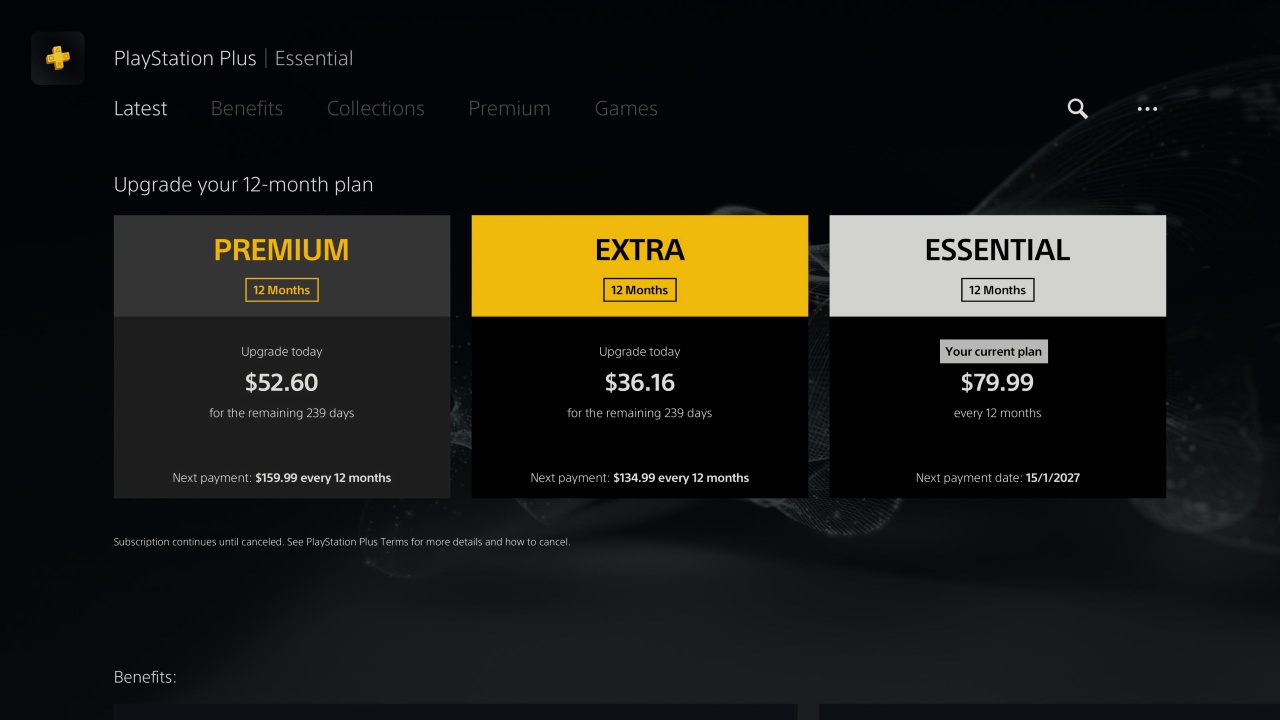
It's funny, but it also reflects how absurd the whole situation looks from the outside. On top of the mockery and factory changes, Sony indicated PlayStation Plus pricing could rise again. CEO Hideaki Nishino and PlayStation boss Hermen Hulst fielded investor questions about the platform's future.
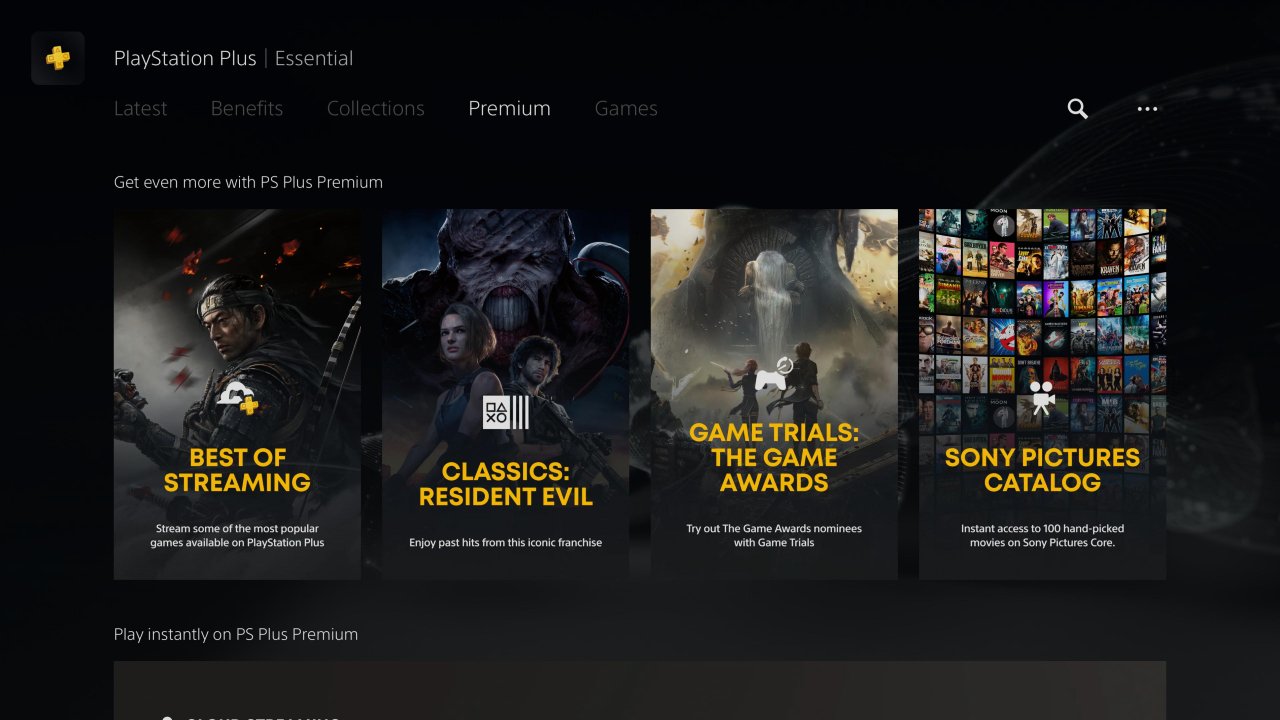
Nishino said the service delivers strong value, noting roughly 40% of subscribers are already on the top tier. Sony also acknowledged the difficulty of constantly acquiring new titles, pointing to Modern Warfare 3, this July's headline addition, as an example of the expensive licensing required to keep the service appealing.
If you've been a subscriber for a while now, the content holds its weight; years of monthly access have built a vast library for you. But that doesn't change the fundamental problem: nothing really belongs to you. Games are often removed, and if your entire library relies on your subscription, any price increase will be unavoidable.
Nintendo raised online subscription pricing, too.
XBOX lowered Game Pass pricing, but cut major titles like newer Call of Duty games in the process, removing a big reason people subscribed in the first place. None of the major platforms is getting this fully right, but Sony specifically seems locked into rising prices while consumers see none of the savings from cutting physical production.
In a separate report, players mentioned losing physical trophies and game time statistics, but retaining all their digital data. This is reportedly a bug that PlayStation is working on to correct. Sony is also allegedly worried about the extent of the backlash against this recent fiasco.
None of this alters the economic incentives behind such decisions. Total digitization is a lot more profitable without production costs, and it is easy to understand the business logic. However, it means giving a single company the power to control your access to something you paid for. This is not only Sony's decision, since most major publishers have switched to subscription services because steady revenue is exactly what investors want.
Closing storefronts is yet another factor, as the PS3 and Vita digital stores are set to close, reducing access to previous purchases. What is important is not that digitization becomes more popular. Everybody understands that. It is that physical alternatives become less available each time until there is no real alternative anymore.
Digital numbers are often inflated.
Adding to the confusion, plenty of digital sales figures get inflated by lumping in DLC, microtransactions, and battle passes alongside full games, making digital revenue look larger than a fair physical-versus-digital comparison would actually show.
By contrast, Steam hasn’t had to deal with anything close to this much criticism since Valve built trust with customers through deep discounts and a great refund system, among other things. To compete like this, Sony would need to improve its refund system, offer more competitive prices for its games, and stay up to date on what Xbox, Nintendo, and the Epic Games Store have to offer.
At the moment, exclusivity to some of the games is Sony’s only advantage. Whether this wave of cancellations lasts is still unclear. A release like GTA 6 later this year could easily pull people back regardless of frustration. For now, though, PlayStation Plus is under real pressure, physical media's future on the platform looks shaky, and Sony's next move will say a lot about whether it's actually listening.
Editor, NoobFeed
Related News
No Data.