
Platform Longevity vs. Performance: How AM4 Changed the CPU Upgrade Game
Sustained compatibility increased consumer confidence and shifted high end CPU purchasing trends.
Hardware by Nahe Yan on Feb 23, 2026
For years, people have been arguing over how long platforms will last. People still ask questions about whether it matters, who it helps, and whether it should affect their purchase decisions. AMD's AM4 was one of the best instances of a well-supported platform. Some efforts may have hurt it. Still, the community's response made sure that AM4 became one of the most popular PC platforms in recent history.
Some people still say that platform lifespan doesn't matter, even with AM4 as a reference point. Some customers may not upgrade their CPUs very often, or they may be fine with replacing their motherboards every time they buy a new CPU. However, upgrading a CPU without replacing the motherboard is a flexible option.
AMD's AM5 is getting older as platforms change, and it is projected to see at least one more generation of CPUs, and maybe even two. Intel's new Nova CPUs will work with the new LG1954 socket. This means that the current LG1851 platform will only work with the Core Ultra2 series and a refresh.
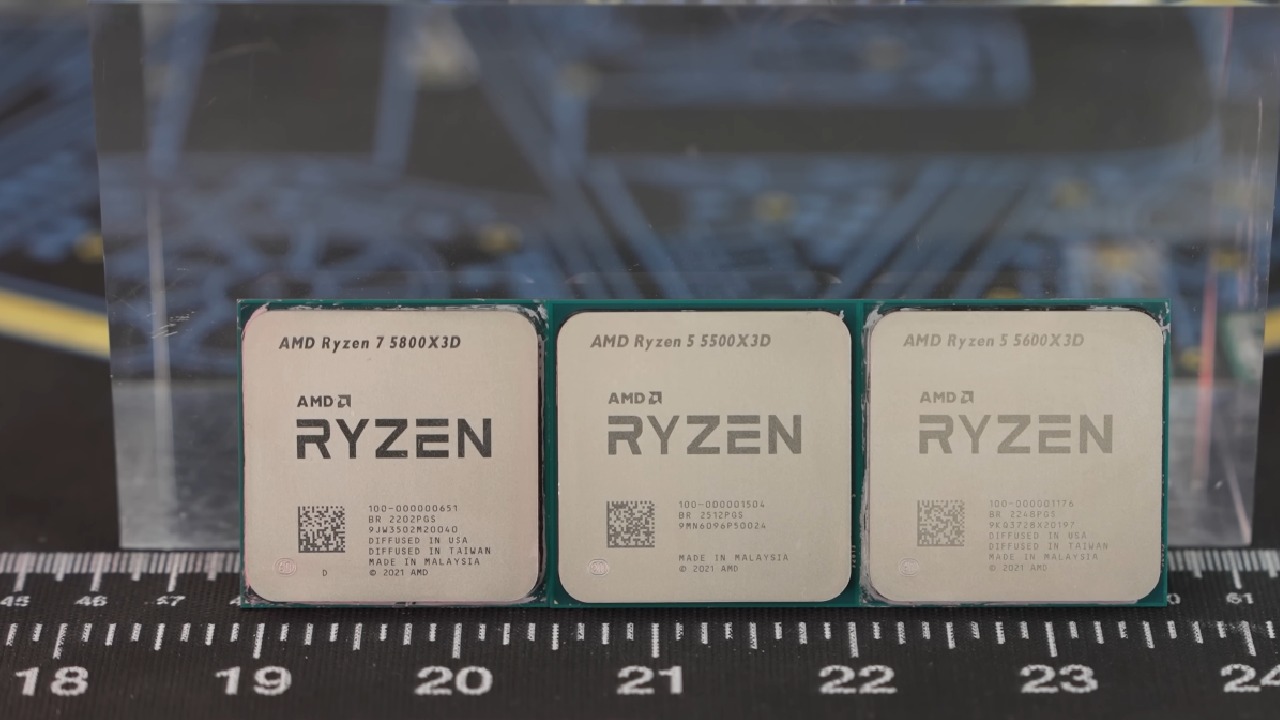
Looking back at AM4 and the Early Ryzen
We looked at past flagship gaming CPUs from both vendors again to see how platform support changes over time. Ryzen 1000 series, based on the original Zen architecture, launched in March 2017. Ryzen7 1700, 1700X, and 1800X were 8-core, 16-thread CPUs that cost between $330 and $500. Since all versions were unlocked and had the same features, the Ryzen 7 1700 became the most popular pick due to its price.
At launch, Ryzen was quite good at getting things done. Intel's Core i7-7700 K, on the other hand, was the best for gaming. When we tested 16 games at 1080p, the 7700K was 21% quicker than the 1800X. Back then, games didn't use as many threads, which made 8 cores less useful. The 7700K is still 13% faster on average across 14 titles at 1080p medium settings. However, the gap has narrowed as newer games work better with more cores.
2700X came out with Zen+ and finally matched the 7700K's gaming performance. At that point, Intel had released the 8700K, which had two extra cores and needed a new motherboard. There was no longer compatibility between 7th and 8th-generation Intel CPUs.
Paths to Upgrading and Costs throughout Time
In early 2017, the 1800X flagship cost $500, but the 1700 was almost as good and cost a lot less. 7700K costs about $360 and was better for gaming. That means that if we think about a 4–5 year upgrade cycle, we will be in 2021–2022.
Intel then offered the Corei9-12900K. It averaged 179 fps at 1080p on medium settings with DDR5-7200 memory, an 88% increase over the 7700K. However, to upgrade, you would need a new motherboard and probably new memory. If you want to keep DDR4, a DDR5 system upgrade could cost roughly $800.
There were several upgrade options for people with AM4. 3700X, a Zen 2 CPU, showed a jump of about 40%. 5800X and other Zen 3 choices were 70% faster than the 7700K and 20% slower than the 12900K, even though they still used DDR4. 5800X3D arrived next. In new tests, it is 5% faster than the 12900K in gaming when it uses DDR4-3600 memory.
The cost of a 5800X3D update was about $450. AM4 option had a lower overall upgrade cost and stayed on the same socket. At the same time, the Intel approach required a new motherboard and possibly DDR5.
Changes to the Socket and Compatibility
AMD kept AM4 compatibility from Zen to Zen3 with 3DV-Cache. Intel also changed sockets during this time, going from LGA1151 to LGA1151v2, LGA1200, and LGA1700. Every time the shift happened, the motherboard had to be replaced. Intel was often the performance leader during this time, but keeping everything compatible wasn't part of that plan.
In the end, Intel's LGA1700 platform with the 13900K and 14900K beat the 5800X3D in gaming by 13% to 14%. But the power use went up a lot, with CPU-limited situations needing over 50% more power for a 15% performance boost.
On the same AM4 platform, the 5800X3D, on the other hand, had a 124% boost over the 1800X while using a little less power.
Changes in Value, Trust, and the Market
We think Ryzen is successful because it offers good value, competitive performance, new features, and a long lifespan on the platform. Platform support alone doesn't make people buy things, but it does provide value. Buyers seem willing to spend more when they think the platform will last.
This is shown by trends in retail sales. In the past, sales were mostly of mid-range CPUs like the Core i3, Core i5, and Ryzen 5. Recently, the 7800X3D and 9800X3D have been at the top of the lists. The way tests are conducted has remained the same for decades; the fact that more people want high-end X3D models suggests that factors beyond benchmark results are influencing buying decisions.
As we make the product stack smaller, the platform's extended life becomes more important. When CPU and motherboard prices are about the same, keeping the same board offers significant value. Keeping things compatible makes customers feel more confident and encourages them to invest in the platform.
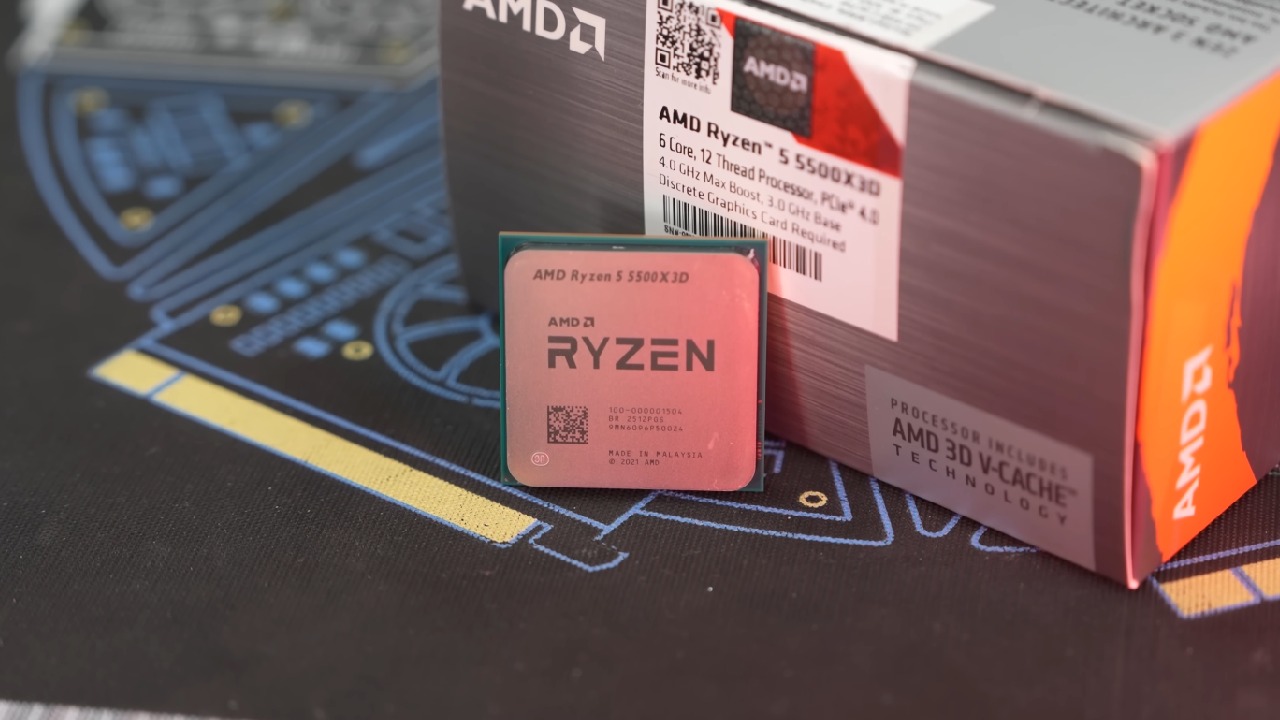
What to Expect Next: AM5 and Nova Lake
Intel's next Nova Lake CPUs on LG1954 will need to be competitively priced and work with several generations. Changing sockets often in a pattern could lead to the same results as before. LG1851, which doesn't have much support, has already shown the problems with short platform lifespans.
AMD's AM5 also needs to work. Zen6 needs to make real progress, and having follow-up generations on the same socket would increase the likelihood of long-term durability.
Final Thoughts
Sockets should still work together if there isn't a strong technical reason to change them. Breaking platform support for no good reason costs more than it gives you in return. By going from 1800X to 5800X3D without needing a new motherboard, AM4 showed what long-term compatibility can do: it increased game performance by 124%.
Also, check our other AMD articles below:
- AMD Ryzen 9 9950X3D Review: Setting The Standard For 2025 Gaming CPU
- AMD Ryzen 7 9800X3D Review: 3D V-Cache Goes God Mode with Stunning Gaming Performance
- AMD RX 9070 Performance Review: Thermals, Clocks, and Real-World FPS
- AMD Ryzen 5 7600 Review: Best Budget Gaming CPU of 2025?
- AMD Radeon RX 7800 XT Review: RDNA 3 Power For Midrange Gaming
- Sapphire NITRO+ AMD Radeon RX 9070 XT Review: The Ultimate 4K Gaming GPU
- AMD Ryzen 7 7800X3D: Delivers Gaming Performance Far Beyond Expectations
- AMD Ryzen 9 7900X Review: Powering the AM5 Era with DDR5 & PCIe 5.0
- ASRock Radeon RX 7800 XT Challenger OC Review: Best Price-to-Performance GPU of 2025
- Intel Core i9‑14900K vs. AMD Ryzen 7 7800X3D: Power Profiles & Gaming Benchmarks
Editor, NoobFeed
Gaming Hardware Updates
No Data.