
Sony's PS5 Power Saver Mode Might Be the Key to the Next PlayStation Handheld
PS5 power saving mode introduces a 100W configuration that could redefine efficiency across Sony’s gaming ecosystem.
Hardware by Tanvir Kabbo on Nov 12, 2025
People are becoming increasingly interested in the PS5's power-saving mode, particularly the claim that it consumes approximately 100W. Some people find this number strange, especially in light of the rumors about a handheld PlayStation device.
The point is, why would this mode even matter for a handheld? What does it accomplish for Sony's other hardware?
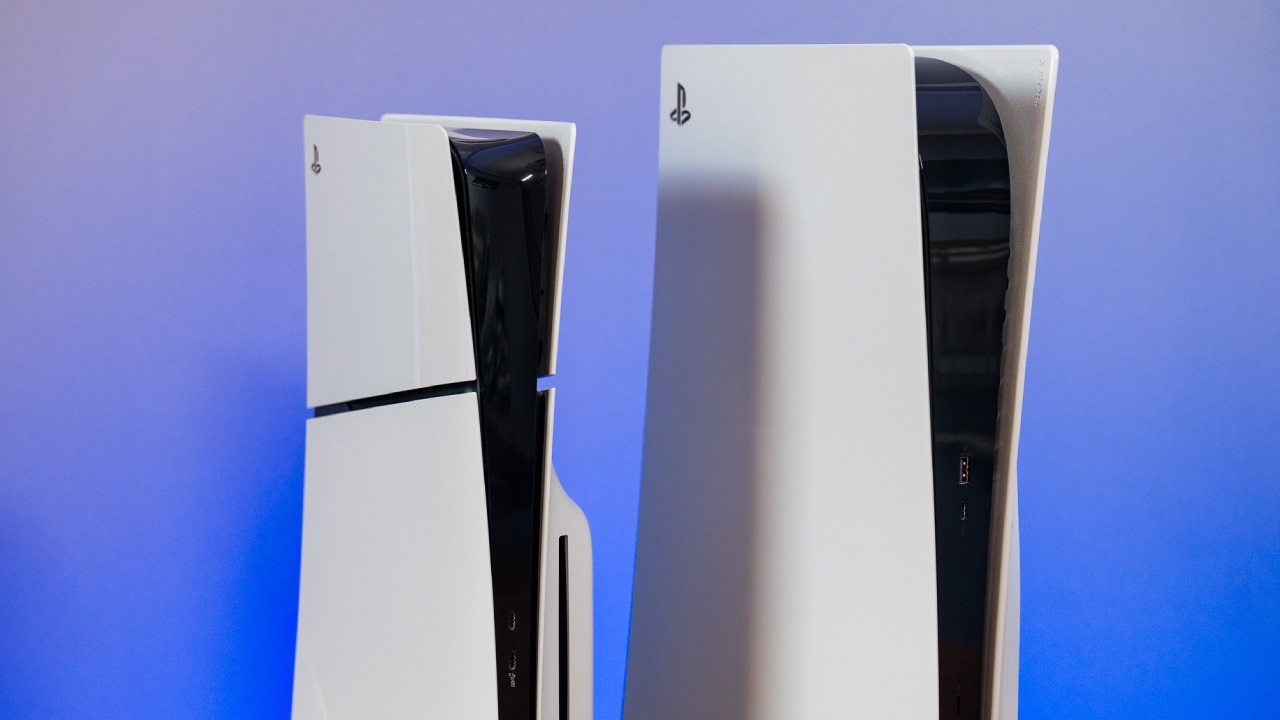
Exploring the 100W Power Saver Mode
When we examine the 100W power saver mode attentively, we need to keep in mind that the system draw and APU power utilization don't always match up completely. For example, an APU with a 25W TDP may still draw approximately 42W from the battery, as observed in other portable systems. This shows that even when operating in portable or handheld modes, total system consumption often exceeds the APU limit.
The presumed next-generation handheld from Sony will likely benefit from a more advanced process node and an updated GPU architecture, possibly designed for backward compatibility through ISO. With these improvements, running games in a 100W “power saver” configuration on a PS5 might translate to only 40–50W on a handheld. That level of efficiency seems entirely feasible, especially when docked and connected to an external power source.
When docked, a handheld could access much higher power limits, allowing the APU to reach higher clock speeds and deliver stronger performance. In contrast, an undocked handheld might rely on a 15W mode, running games at 1080p instead of 1440p—mirroring the scaling seen between the standard and power saver modes on the PS5.
Power Saver Mode as a Developer Proving Ground
From a developer standpoint, this power saver mode could act as a testing platform for future handheld optimization. By working with reduced performance targets now, developers gain practical experience with scaling and efficiency challenges they’ll face in the handheld environment. We can view this as a “proving ground" that encourages better resource allocation and performance balancing on constrained hardware.
In a hypothetical PS6 handheld, we might see a configuration featuring a 4+2 CPU layout—four high-performance cores and two low-power ones—alongside a GPU that aligns more closely with the PS5's compute performance than its bandwidth or CPU setup. That structure mirrors the kind of compromises seen in the PS5's power-saving configurations.
Cloud Streaming Connection
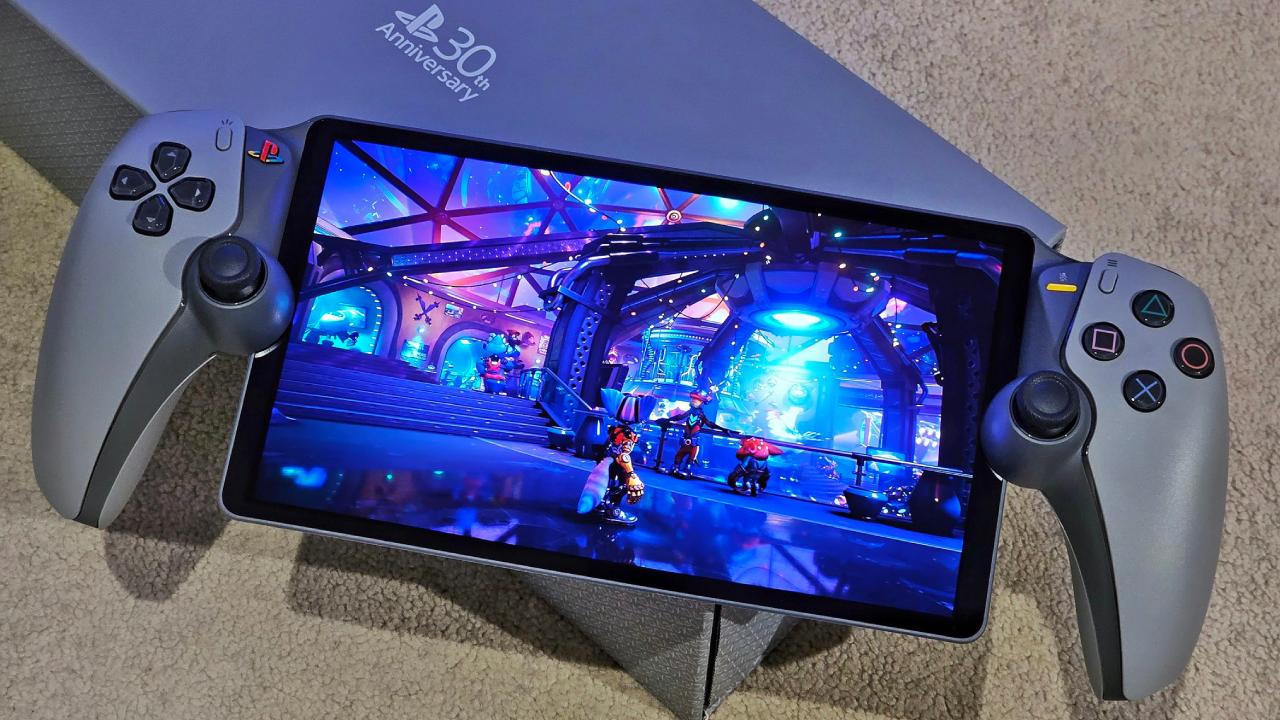
The rumor that the PlayStation Portal could eventually play games via the cloud—eliminating the need for a PS5—adds an intriguing dimension. Developer documentation for the PS5 power saver mode mentions cloud operation, implying that this feature may play a role in Sony's streaming infrastructure.
However, the challenge lies in latency. Many of these power saver profiles cap games at 30fps instead of 60fps, which introduces additional delay—hardly ideal for a cloud experience. Still, developers are not forced to support the mode, meaning that most high-power titles would continue to run on full 200W hardware during streaming.
Economic and Environmental Considerations
There is also a practical need to enable this mode on consumer devices. The savings per hour of playtime may just be a penny or two, but the effect on millions of users might be enormous. For a firm like Sony, it's not just about saving money; it's also about being environmentally responsible.
Having the mode available provides a tangible way to showcase greener, more sustainable credentials, even if adoption remains limited.
We can envision a scenario where popular, low-intensity titles—such as Fortnite or Rocket League—automatically default to this lower-power mode. When multiplied across millions of players, the overall reduction in energy usage becomes meaningful.
When applied to Sony's vast user base, these minor improvements could have a significant impact on the PS5's overall energy consumption.
Cloud Hardware and Efficiency
Another option is that Sony may develop cloud hardware specifically designed to conserve power. This approach would be similar to Microsoft’s, where Xbox Cloud Gaming utilizes Series X hardware to emulate the Series S environment, thereby saving both power and space in data centers.
If Sony adopted a comparable strategy—perhaps using hardware derived from handheld designs—it could run games in a more area-efficient and cost-effective way.
Final Thoughts
The PS5's 100W power saver mode may seem strange at first, but it makes sense in the context of a larger plan. We can view it as a test bridge between current-generation consoles and future handheld or cloud-based platforms. Even if not every player uses it, the feature serves multiple functions—from preparing developers for next-gen optimization to positioning Sony as a more environmentally conscious platform provider.
Ultimately, the power saver mode represents both a technical testbed and a sustainability statement. It may lead to a new handheld device, a better streaming platform, or simply increased awareness of energy use across the PlayStation ecosystem. Either way, it's a smart move toward the future of efficient gaming.
Also, check our other Console articles:
- PS5 Pro vs. PS5 Slim: Frame‑Rate, Graphics & Performance
- PS5 Pro vs. Radeon RX 9060 XT vs RTX 5060 Ti: Ultimate $700 Gaming Showdown
- ASUS ROG Ally PS5 Remote Play | How to do Remote play on PS5 Using Sony's Official Remote Play App
- Stream PS5 Games on Steam Deck OLED: Step-by-Step Installation and Configuration
- AI Upscaling on PS5 Pro: Can PSSR Finally Match DLSS?
- PS5 Pro vs. PS5 Slim vs. PS5 — Design, Storage, Specs, and Gaming
- PS5 Pro vs. Xbox Series X: Specs, Price, Storage, Customization, and Gaming
- PS5 Pro vs. PC Gaming: Comparison of Graphics, Frame Rates, and Price
Senior Editor, NoobFeed
Gaming Hardware Updates
No Data.