
Real Reasons Memory Prices Keep Rising Despite Advanced Chip Manufacturing
Consumer RAM markets face sustained pressure due to limited DRAM suppliers prioritizing higher margin enterprise contracts.
Hardware by Shinji Okazaki on Dec 31, 2025
Many people are surprised by how high computer memory prices have gotten. If you've looked at a components list recently, you've seen totals that are far more than you thought they would be.
Things have changed swiftly, and the reasons for this are linked to bigger shifts in how memory is used in the computing industry.
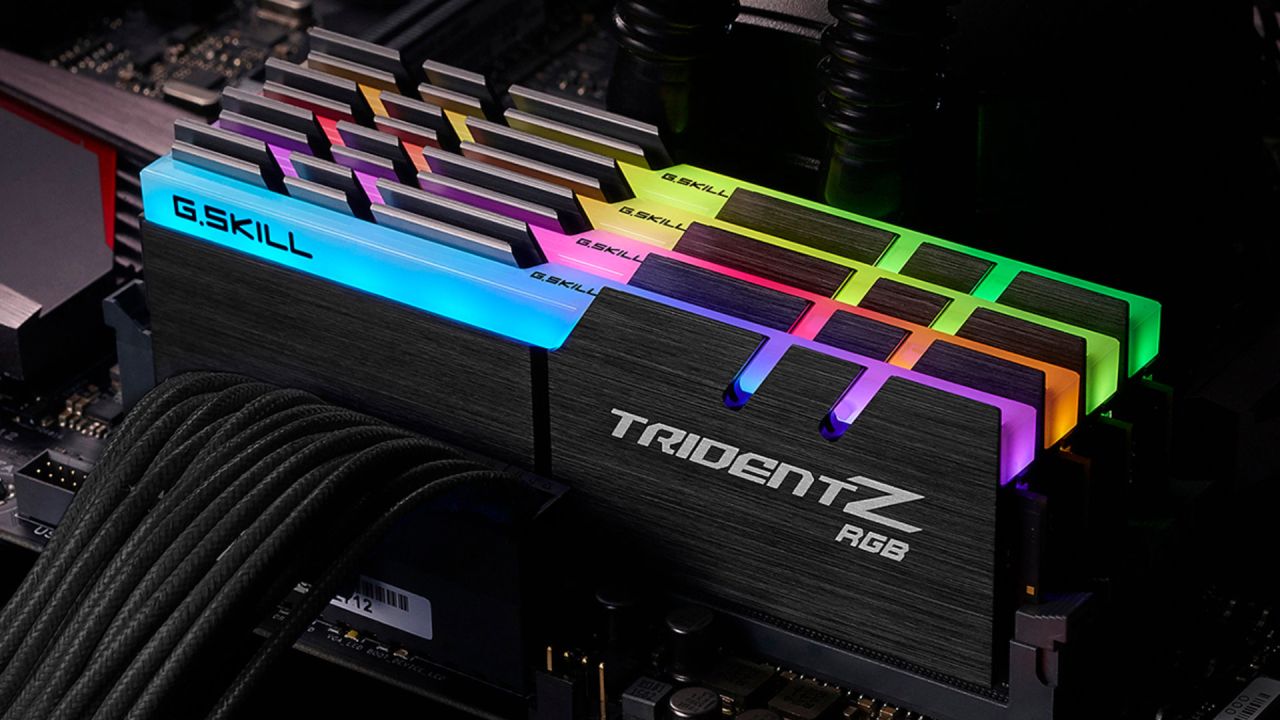
The Stress of AI Infrastructure
The rapid growth of AI data centers is a major driver of rising memory prices. These systems use a lot of power, water, and memory, and therefore have investment budgets far larger than those of consumer markets. One big memory maker has stopped making consumer products altogether to focus on this demand. Another company has stated that all of its manufacturing capacity is booked up until 2026, and another has doubled the price of its contracts. If demand stays this high, prices will stay high as well.
Why Memory is So Important for AI
To train large language models, you need a lot of text, graphics, audio, and video. It can take hours or months to train, depending on the size of the project. RAM is the most important part because it is faster than storage drives and has more space than CPU cache. Having a lot of memory makes training faster and inference better, especially during protracted conversations when you need to access earlier context. To put it simply, these systems require more memory to work well, and they are ready to pay for it.
Why RAM for Consumers is Also Affected
You might be wondering why gaming or consumer memory kits are affected, while AI systems usually employ server-grade hardware. There are many brands on store shelves, but only three big companies make the actual DRAM chips. These companies run the factories that make memory for almost every industry that needs it. No matter where memory goes, whether it's in a data center or a gaming PC, it comes from the same small group of DRAM chips. When demand goes up, buyers with more money win those bids.
Business Choices That Lead to Limited Supply
From a business perspective, it's easy to see why manufacturers put their biggest customers first. Moving resources to customers who can sign big contracts for greater costs keeps income steady. This takes away inexpensive options for customers, but it aligns with how these businesses manage risk. Even when firms that sell to consumers put together modules, they still pay more for the chips that go into them, and that cost is passed on to you.
Why Can't Production Go Up
Modern fabrication plants operate almost continuously at or near their maximum capacity. There is no way to speed up these operations without risking mistakes that could ruin whole manufacturing runs. Putting up additional factories isn't a short-term fix either. It takes years to build and equip a fab, and you have to plan for electricity, water, staff, logistics, and materials. Manufacturers are being cautious, as past demand surges have led to excess supply and losses.
What We Learned from Past Demand Spikes
Manufacturers had to produce more memory when demand went up in the past, but demand subsequently went down. Because it is just as hard to slow down production as it is to speed it up, there was too much supply, which drove prices down to or below cost. From a business perspective, going through that cycle again is not enticing. Because of this, existing tactics favor restricted supply even when prices rise.
New People and Their Limits
New memory makers have said they are making progress in making new DDR5 chips. This change could eventually lead to more competition. However, current estimates suggest it will take 2 to 3 years to reach output levels similar to those of established firms. Even then, trade barriers and limited market access make it hard for consumers to get assistance right away.
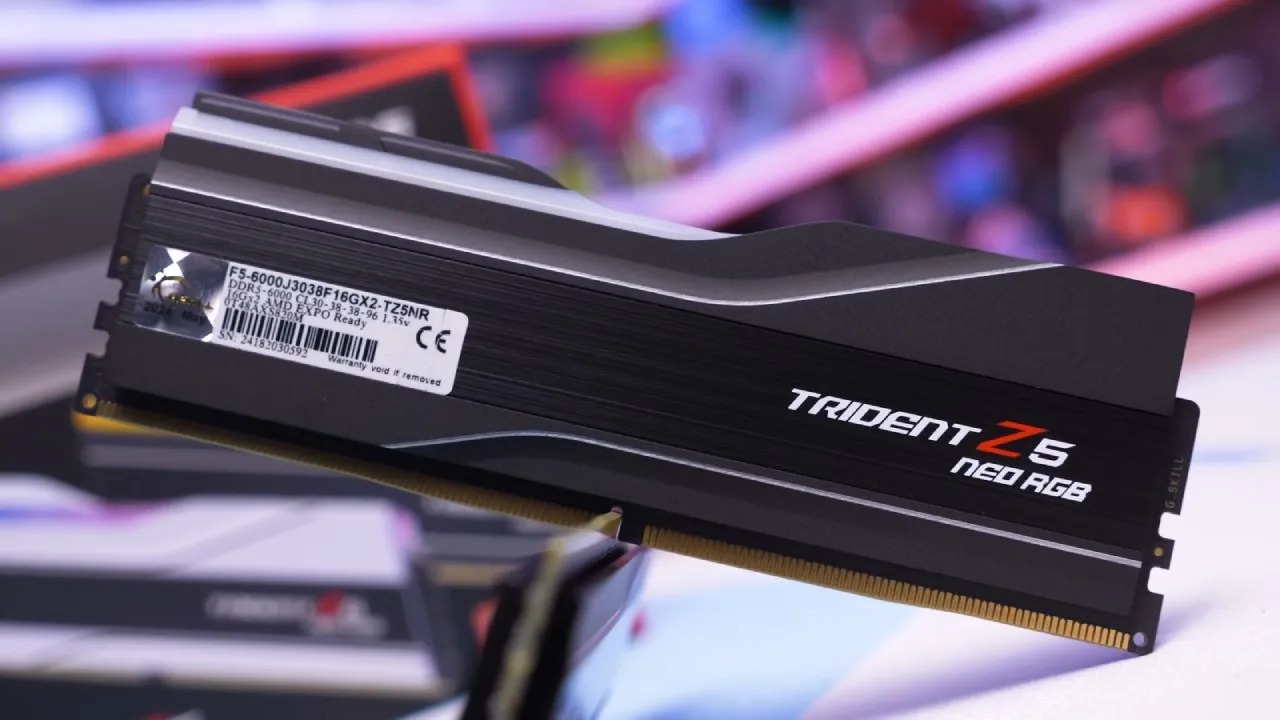
Why Prices Might Stay High
A lot of the production scheduled for the period between now and 2026 is already booked. Those agreements will still be in place even if demand drops. Module producers who buy chips at today's prices will keep pricing their products the same way. That means memory prices could remain high for years, affecting not just PCs but also phones, handhelds, cars, and other electronics.
What This Means for You
There aren't many choices for you as a customer. Pointing fingers at specific corporations doesn't help much, because the current system benefits every part of the supply chain. It's hardly possible to exclude memory-dependent products because almost all modern gadgets use DRAM. For now, you have to deal with higher prices until the industry gets used to them.
Final Thoughts
Even if the AI business slows down, there will still be a need for memory. The level of rivalry for supply is likely to shift. Until then, price increases will remain part of the environment and continue to affect more than just PCs.
Also, check our other hardware articles below:
- AMD Ryzen 9 9950X3D Review: Setting The Standard For 2025 Gaming CPU
- Amazon Luna 2025 Review: Is Prime Gaming's Cloud Service Your Go-To For Casual Fun?
- AMD RX 9070 XT Review: AMD's RDNA 4 Champion for 1440p Gaming
- GeForce Now Ultimate: Ditching Your Gaming PC For Cloud RTX 4080 Power?
- NVIDIA GeForce RTX 5080 Review (2025): Still A 4K Gaming Powerhouse?
- Intel Core Ultra 9 285K Review And Performance Breakdown (2025)
- AMD Ryzen 7 9800X3D Review: 3D V-Cache Goes God Mode with Stunning Gaming Performance
- Intel Core Ultra 9 285K vs AMD Ryzen 7 9800X3D: In-Depth Gaming Performance and Benchmark Comparison
- NVIDIA GeForce RTX 5080 Super Performance In Cyberpunk 2077: Path Tracing & DLSS 4.0 Tested
- RTX 5090 Performance Testing In GTA 5 – 1080p, 1440p, and 4K Max Settings Benchmark
- AMD Radeon RX 9070 XT In Cyberpunk 2077: Ray Tracing & FSR 4.0 Tested
- Intel Arc B580 Review: The $250 GPU Revolutionizing 1440p Gaming
- Intel Arc B570 Vs. B580: Value, Specs, And Real-World Gaming Performance
- Intel Arc B570 Review: Efficient Xe2 Performance At An Affordable Price
- RTX 5090 Laptop Vs. M4 Max MacBook Pro: Ultimate Raw Performance Vs. Battery Endurance
- Intel Arc b580 Vs. RTX 4060: Game Performance And Value Analysis
- RTX5090 Hell Is Us Demo 4K Ultra Benchmark: DLSS Vs. Native Performance Guide
- NVIDIA RTX 5070 Review: Mid-Range Muscle or Marketing Hype?
- Nintendo Switch 2 Review: Handheld Performance, Features & Value Breakdown
- RTX 5070 Ti Review: Performance, Thermals & Power Efficiency Tested
- Samsung Odyssey OLED G81SF Review 2025: Ultimate 32-Inch QD-OLED Gaming Monitor
- AMD RX 9070 Performance Review: Thermals, Clocks, and Real-World FPS
- AMD Ryzen 5 7600 Review: Best Budget Gaming CPU of 2025?
- AMD Radeon RX 7800 XT Review: RDNA 3 Power For Midrange Gaming
- Asus ROG RTX 5090 Astral OC Vs. Founders Edition: The 4K Gaming Benchmark
- ASUS ROG Astral RTX 5090 OC Edition Review: 32GB GDDR7 & 4K Gaming Benchmark
- Intel Core i5-13400F Gaming Performance: Still Worth It in 2025?
- ASUS GeForce RTX 5090 LC Liquid Cooled GPU Review: Unmatched Silence & Speed
- ASUS ROG Ally X Handheld Review: Double the Battery, Double the Comfort
- Lenovo Legion Go S Review: The Ultimate Steam Deck 2 Alternative
- Sapphire NITRO+ AMD Radeon RX 9070 XT Review: The Ultimate 4K Gaming GPU
- Alienware 16 Area 51 Review: The Ultimate 2025 Gaming Laptop
- Alienware Area-51 Review: Unmatched 4K, Thermal, and Acoustic Performance
- AMD Ryzen 7 7800X3D: Delivers Gaming Performance Far Beyond Expectations
- AMD Ryzen 9 7900X Review: Powering the AM5 Era with DDR5 & PCIe 5.0
- Intel Core i9‑14900K vs. AMD Ryzen 7 7800X3D: Power Profiles & Gaming Benchmarks
- Intel Core i9 14900K: Specs, Benchmarks, and Competitor Comparison
- ASRock Radeon RX 7800 XT Challenger OC Review: Best Price-to-Performance GPU of 2025
Editor, NoobFeed
Gaming Hardware Updates
No Data.