
RTX 50 Super Returns as NVIDIA Faces RTX 60 Launch Questions
RTX 50 Super rumors regain momentum as memory module changes reshape Nvidia’s near-term graphics strategy.
Hardware by Shinji Okazaki on Jun 11, 2026
The future of the next generation of graphics cards remains unclear, as new rumors suggest Nvidia's RTX 50 Super line is back on track for production, while AMD's RDNA 5 launch might be delayed. Such changes increase the likelihood of new questions about future graphics cards, memory capacity, AI market needs, and the availability of Nvidia's RTX 60 series.
RTX 50 Super series is back on the menu, at least according to the latest rumors. It has been rumored to be canceled and restarted several times. But a new report suggests Nvidia is again considering launching updated RTX 50-series graphics cards. Megasize GPU released a message on June 5 saying that the RTX 50 Super series is "on track. It may be a 5060 12GB, or perhaps a card with a new name, as suggested in the report.
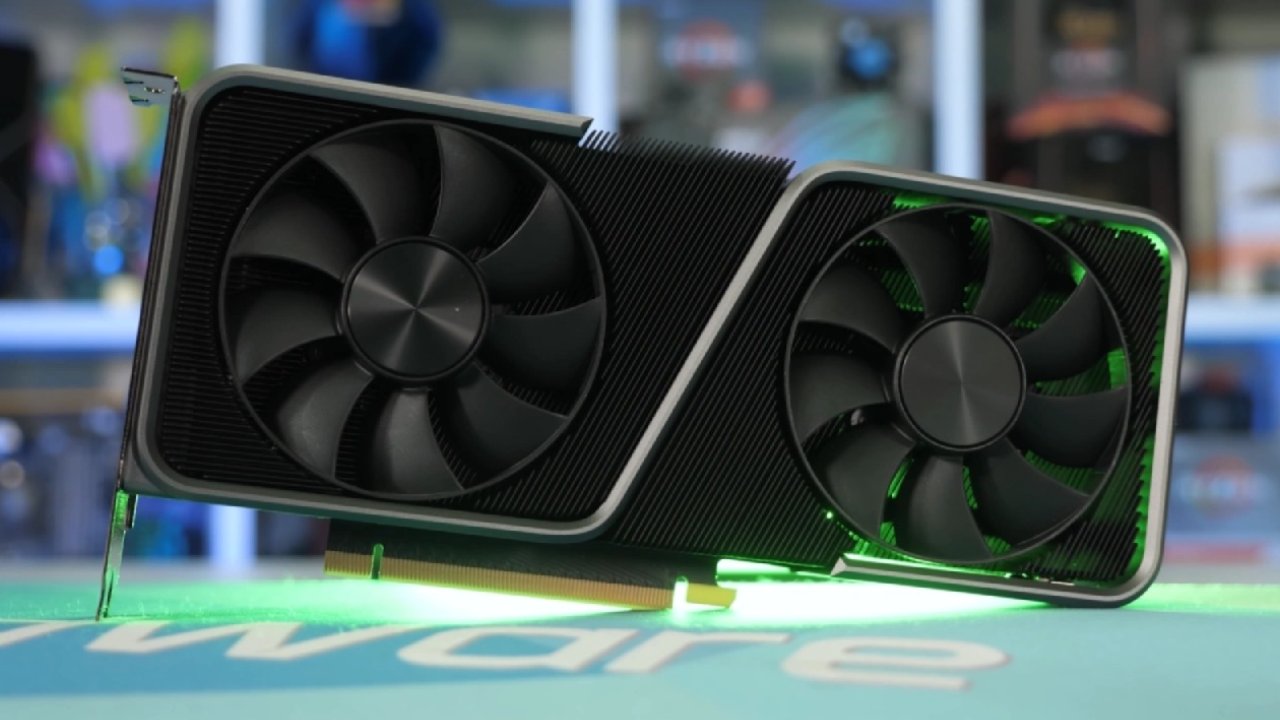
RTX 50 Super Series is Back on Track
There are other reports that the RTX 50 Super series is progressing in the same direction. These graphics cards will use 3GB memory modules; Nvidia can add more memory without significantly changing the architecture. The new addition might be the most significant upgrade made to the device. The new addition may be the biggest update for the device.
The previous plans for the RTX 5080 Super were that it would essentially have the same base architecture, with either 16GB or 24GB of GDDR7 memory, with denser memory modules. The rationale behind the reinvigorated drive for the RTX 50 Super seems simple. Production of 3GB memory modules is anticipated to ramp up, and 2GB is no longer seen as a production priority.
But 2GB modules aren't going away – more production capacity is expected to shift to 3 GB modules. RTX 50 Super series has already undergone several timeline changes. Initially, the speculation was that it would be released “before” the end of 2025, but then it was moved to CES 2026. Later reports indicated that the project was canceled altogether. Again, there are reports that the launch could take place.
Specifications are not Yet Clear
For those who haven't upgraded to an RTX 50 series card, the cards in the RTX 50 Super lineup may be a good value when you consider that the price remains reasonable. The complete specs are yet to be confirmed. Nvidia may simply be able to add memory without changing the configurations. Plus, there's a chance for tiny upgrades on some models, with more CUDA cores.
As of now, rumors suggest the lineup might feature an RTX 5080 Super and an RTX 5070 Ti Super. Earlier reports also suggested that certain models may have a slight boost in core count. But speculation about a 5090 Super or 5090 Ti seems to have died down. One aspect of the ambiguity of Nvidia's roadmap seems linked to the continued evolution of the field of artificial intelligence.
None of this is to say that the gaming industry is not also feeling pressure from demand for AI devices. Still, GPUs are finding a delicate balance between gaming products and AI device demand, so it remains unclear what the next generation of GPUs will look like. Issues of memory allocation, manufacturing priorities, and AI investment levels remain important considerations for both Nvidia and AMD.
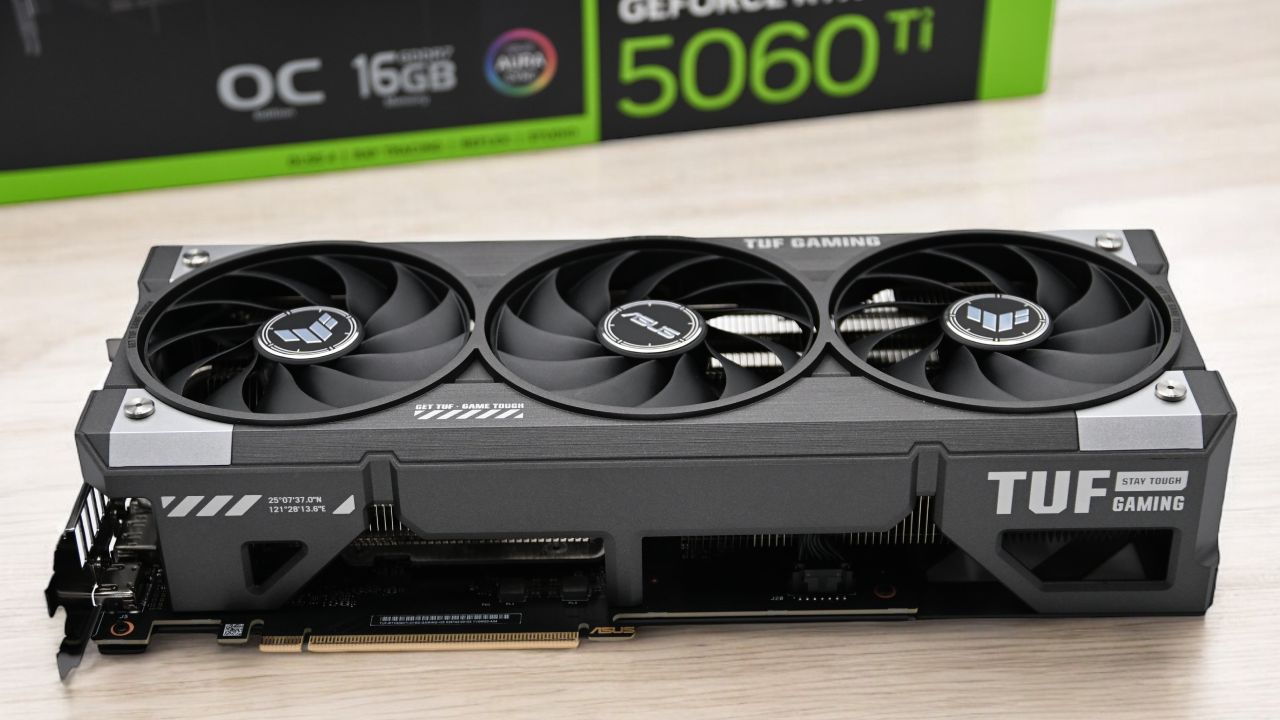
What Happens to RTX 60?
Given these advancements, the future of Nvidia's RTX 60 series is beginning to make for an interesting read. Earlier this week, based on previous reports from Kopite7kimi, it appeared that the second half of 2027 would see the release of RTX 60 graphics cards. The same demands have been floating around in the business world.
But if the RTX 50 Super arrives in early 2026, it may be a question of whether Nvidia will really launch the RTX 60 in the near future. GPU generations typically came out back-to-back in the past. Previous generations of graphics cards had much shorter refresh cycles. But in the modern world, with shorter development cycles, greater manufacturing complexity, and market demands, such rapid changes are less likely today.
Current-generation graphics cards still provide decent performance.
RTX 50 series is still capable of delivering power, and the prices of AMD's RX 9000 series have been considered good in most parts of the world. There are still some oddities in the pricing, especially for some GRE models, but conditions are generally more settled than during previous shortages.
The condition of supply of memory production could be improved. So, memory production will continue to play a crucial role in future GPU launches. Several manufacturers are ramping up their production of DDR5, HBM3, and LPDDR5 memory technologies. Increased competition could eventually help ease supply constraints.
Earlier in the industry, the memory shortage may start to ease by the end of 2027 as more capacity comes to market. Meanwhile, the demand for AI remains uncertain. The rising costs of processing this small currency, as well as infrastructure costs, are prompting some companies and investors to reassess spending priorities. The question of the effect on long-term memory remains unanswered.
The GPU roadmap is subject to change. RTX 50 Super series is apparently continuing its development while RDNA 5 could be delayed. These changes also raise new questions about the launch timing of RTX 60 graphics cards. The next few years of GPU releases will likely be driven by factors such as memory production, AI demands, and manufacturing capacity. Both Nvidia and AMD now seem to be weathering an industry in constant flux.
Editor, NoobFeed
Gaming Hardware Updates
No Data.