
RTX 5060 Ti and 5060 9GB Models Surface with Narrow Bus and Lower Bandwidth
NVIDIA’s shift to 9GB VRAM introduces a narrower memory bus, raising concerns over reduced bandwidth in mid-range GPUs.
Hardware by Tanvir Kabbo on Apr 15, 2026
It looks like NVIDIA is changing its mid-range GPU plans in a way few saw coming. New changes in the supply chain hint that the next versions of the GeForce RTX 5060 Ti and RTX 5060 will feature a strange 9GB VRAM design, which is very different from how memory is usually configured. More VRAM usually sounds like a good thing. Still, the modifications underneath suggest that things are going to get more complicated for gamers and PC builders.
A Surprising Mid-Range Shift
Reports from manufacturing pipelines say that both the RTX 5060 Ti and RTX 5060 will have 9GB of RAM. This isn't done in the usual way; instead, it uses new 3GB GDDR7 memory modules.
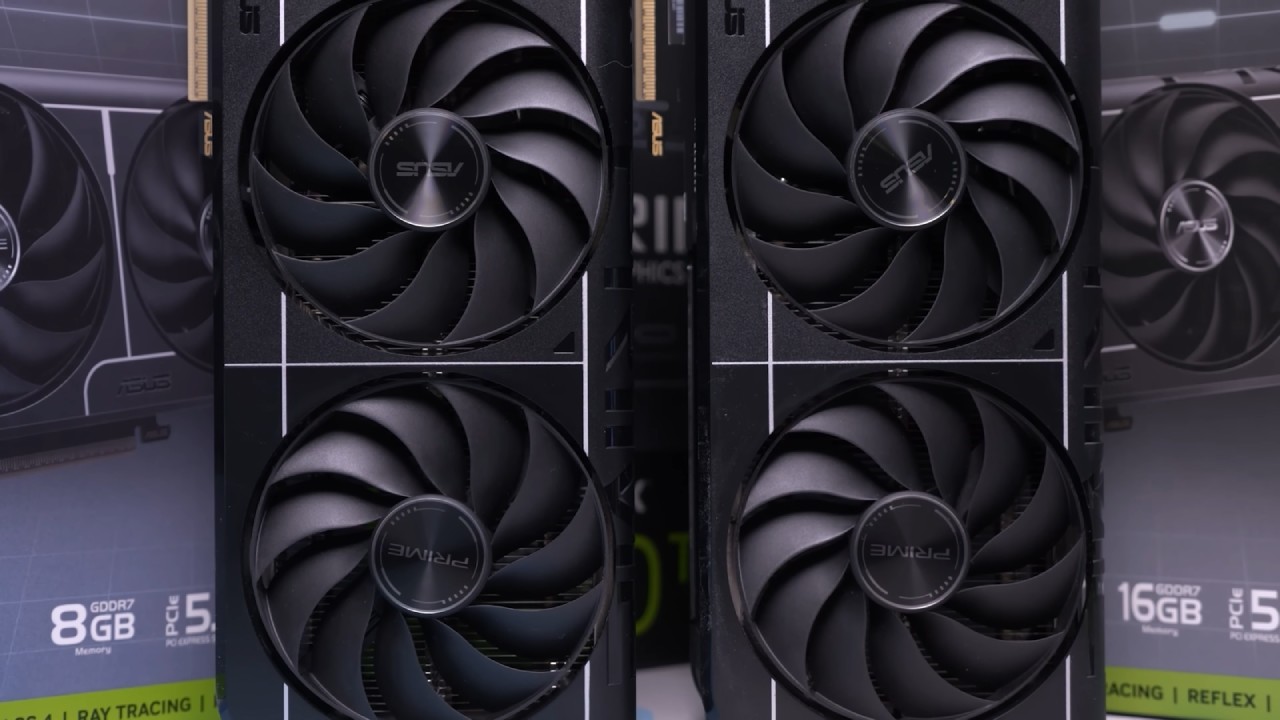
The projected core specs say that the RTX 5060 Ti would have about 4608 CUDA cores and a total board power (TBP) of 180W. The RTX 5060, on the other hand, will have 3840 cores and a TBP of 145W. These numbers put both GPUs well in the middle of the performance range, aimed at gaming at 1080p and entry-level 1440p.
But the main story is not in raw computing, but in how memory is designed.
The VRAM vs. Bandwidth Dilemma
At first glance, 9GB of VRAM seems like a good boost over 8GB setups that have struggled with newer games. But NVIDIA's method comes with a trade-off that could significantly affect how well things work in the real world.
Instead of using a 128-bit memory bus paired with standard 2GB modules, these GPUs are expected to rely on a 96-bit bus combined with three 3GB GDDR7 modules. This change reduces memory bandwidth from 448 GB/s down to 336 GB/s—a roughly 33% decrease.
In this case, the sword has two edges:
Pros: Having more VRAM can help with better texture settings and bigger assets. It can also make sure that your computer can run new games in the future.
Cons: Less bandwidth could slow things down, especially when they need a lot of it, like when you play games at high levels or do ray tracing.
In practice, this could mean smoother asset handling but lower overall throughput—an unusual compromise in GPU design.
Why 3GB Modules Matter
The shift appears to be driven by advancements in memory manufacturing, particularly from companies like Samsung and Micron. These firms are reportedly preparing or already supplying 3GB GDDR7 modules, enabling GPU makers to explore non-traditional memory configurations.
This gives you more options for production. A 9GB arrangement with three modules may be simpler or less expensive than a four-module solution. It might also help NVIDIA better organize its product line, making it easier to distinguish between entry-level, mid-range, and high-end GPUs.
But for consumers, the benefit isn't as clear-cut as "more VRAM means better performance."
Comparing Against Traditional 128-bit Designs
Standard mid-range GPUs usually include a 128-bit bus and 8GB (or more) of VRAM, which provides additional memory bandwidth—typically around 448 GB/s in similar GDDR7 setups.
The speculated 9GB devices, on the other hand, trade that bandwidth for capacity. This means:
128-bit models: Better raw throughput and more stable performance under heavy workloads
96-bit 9-GB models: More memory; however, data transport rates may limit it.
This difference could make performance unpredictable, depending on the game engine and workload. Titles that use a lot of bandwidth may have problems. However, scenarios that use a lot of memory may experience small improvements.
Launch Timing and Market Implications
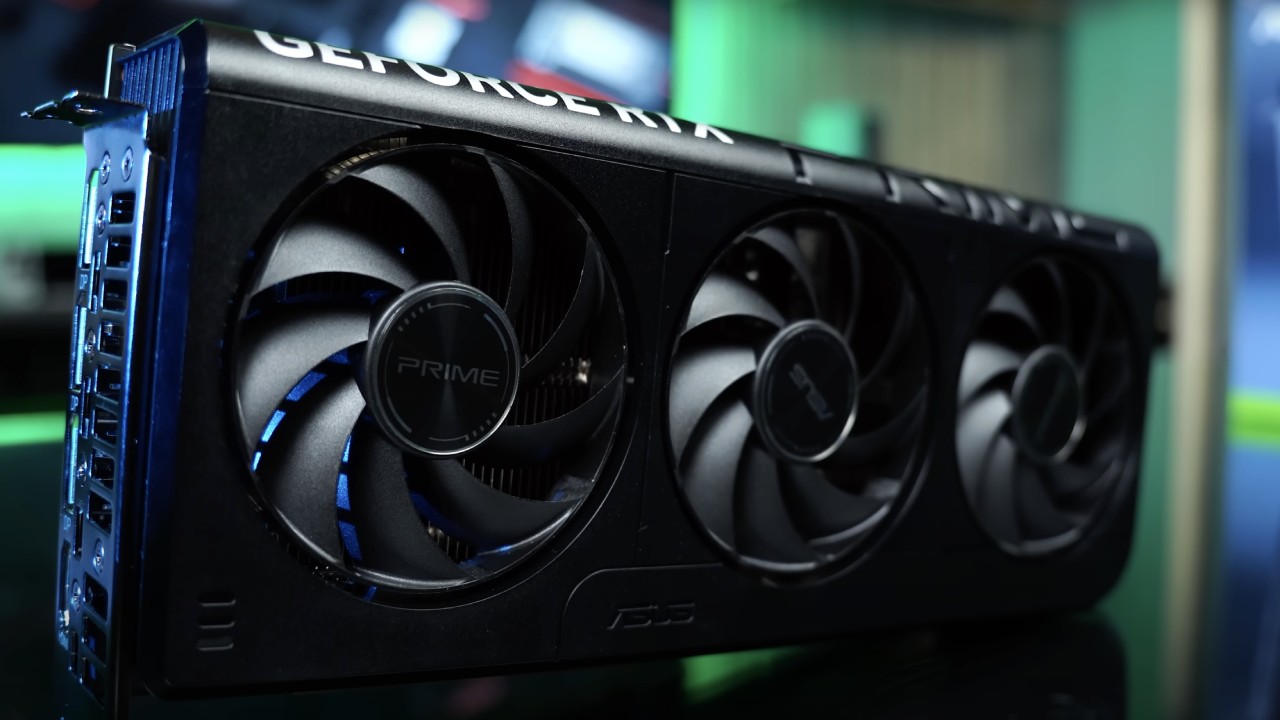
Around May to June 2026, when Computex typically introduces new products, the RTX 5060 Ti 9GB and RTX 5060 9GB should be released. If these specs are right, NVIDIA's mid-range offering could get further split apart and maybe harder for customers to understand.
This change doesn't seem like a simple upgrade for the next generation; instead, it appears like a smart way to balance costs, supply chain efficiency, and changing game needs.
A Calculated Risk for Gamers
NVIDIA's decision to offer 9GB versions with a shorter memory interface is part of a broader shift in GPU design. More VRAM fixes one of the most common problems gamers have, but the fact that it lowers bandwidth raises a new issue.
For enthusiasts, this raises an important question: Is more memory worth it if the pipeline feeding it becomes constrained?
As the Blackwell refresh approaches, these 9GB GPUs may ultimately define how much compromise the mid-range market is willing to accept in exchange for incremental gains.
Also, check our other hardware articles:
- AMD Ryzen 9 9950X3D Review: Setting The Standard For 2025 Gaming CPU
- Amazon Luna 2025 Review: Is Prime Gaming's Cloud Service Your Go-To For Casual Fun?
- AMD RX 9070 XT Review: AMD's RDNA 4 Champion for 1440p Gaming
- GeForce Now Ultimate: Ditching Your Gaming PC For Cloud RTX 4080 Power?
- NVIDIA GeForce RTX 5080 Review (2025): Still A 4K Gaming Powerhouse?
- Intel Core Ultra 9 285K Review And Performance Breakdown (2025)
- AMD Ryzen 7 9800X3D Review: 3D V-Cache Goes God Mode with Stunning Gaming Performance
- Intel Core Ultra 9 285K vs AMD Ryzen 7 9800X3D: In-Depth Gaming Performance and Benchmark Comparison
- NVIDIA GeForce RTX 5080 Super Performance In Cyberpunk 2077: Path Tracing & DLSS 4.0 Tested
- AMD Radeon RX 9070 XT In Cyberpunk 2077: Ray Tracing & FSR 4.0 Tested
- Intel Arc B580 Review: The $250 GPU Revolutionizing 1440p Gaming
- Intel Arc B570 Vs. B580: Value, Specs, And Real-World Gaming Performance
- RTX 5090 Laptop Vs. M4 Max MacBook Pro: Ultimate Raw Performance Vs. Battery Endurance
- Intel Arc b580 Vs. RTX 4060: Game Performance And Value Analysis
- RTX5090 Hell Is Us Demo 4K Ultra Benchmark: DLSS Vs. Native Performance Guide
- NVIDIA RTX 5070 Review: Mid-Range Muscle or Marketing Hype?
- Nintendo Switch 2 Review: Handheld Performance, Features & Value Breakdown
- RTX 5070 Ti Review: Performance, Thermals & Power Efficiency Tested
- Samsung Odyssey OLED G81SF Review 2025: Ultimate 32-Inch QD-OLED Gaming Monitor
- AMD RX 9070 Performance Review: Thermals, Clocks, and Real-World FPS
- AMD Ryzen 5 7600 Review: Best Budget Gaming CPU of 2025?
- AMD Radeon RX 7800 XT Review: RDNA 3 Power For Midrange Gaming
- Asus ROG RTX 5090 Astral OC Vs. Founders Edition: The 4K Gaming Benchmark
Senior Editor, NoobFeed
Gaming Hardware Updates
No Data.