
Samsung, SK Hynix, and Micron Kick Off DDR6 Development
Next generation DDR6 memory targets massive bandwidth gains and efficiency improvements while prioritizing AI data center deployment.
Hardware by Tanvir Kabbo on May 05, 2026
The memory business does not allow consumers to lag behind. Although DDR5 is only now establishing a niche as server platforms approach near-complete adoption, the next stage is already taking shape. DDR6 development has been officially initiated by Samsung, SK Hynix, and Micron. It is driving substrate partners to accelerate their readiness to meet the next-generation leap.
It is not an ordinary upgrade. It is an offensive attack based on the AI infrastructure's scaling out of control faster than ever before. The outcome is a roadmap in which DDR6 is not about replacing DDR5 for gamers, but about satisfying an insatiable demand for bandwidth in data centers.
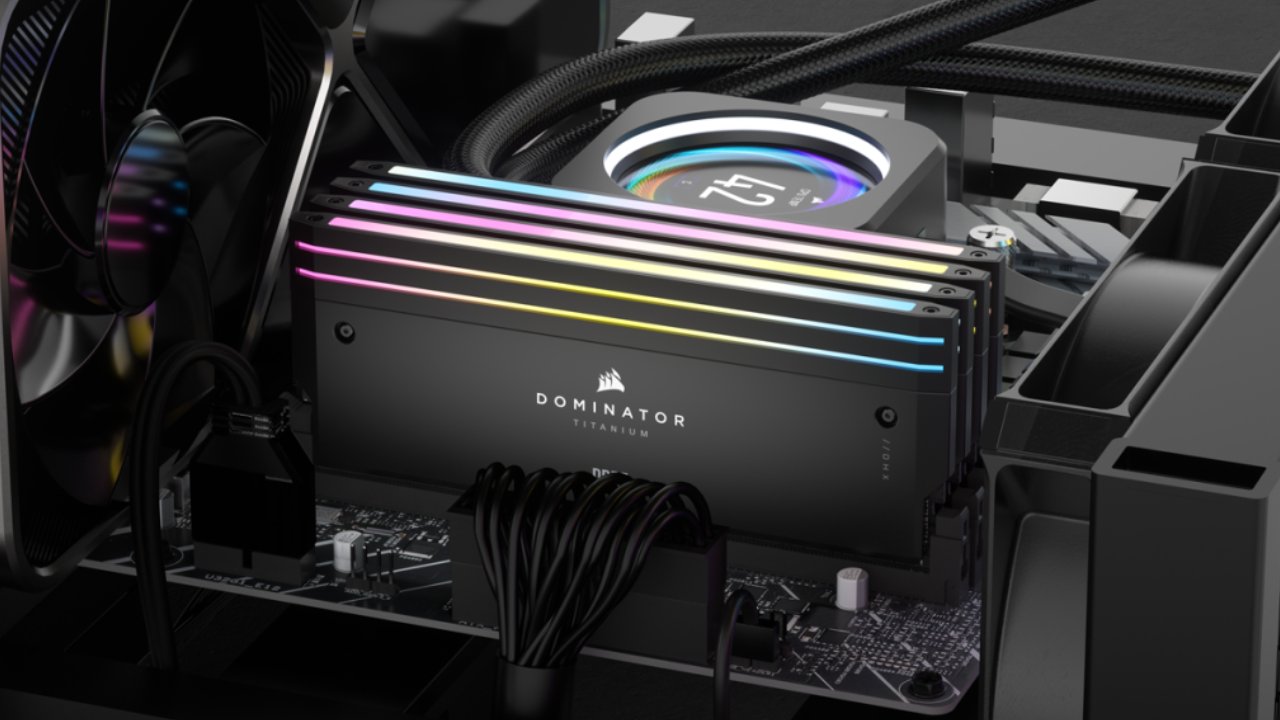
8.4 Gbps to 17.6 Gbps: Bandwidth Enters a New Era
DDR6 is not pursuing marginal returns; it is resetting the ceiling. Initial specifications indicate base speeds of up to 8.4 Gbps, which is already faster than most DDR5 kits currently available. However, that is only the tip of the iceberg. As technology matures, estimates suggest it can scale to a whopping 17.6 Gbps.
This type of raw throughput alters the flow of data within a system. At such speeds, the bandwidth of memory starts competing with bottlenecks traditionally related to storage and interconnects. In the case of AI workloads, it implies that the model can train faster, that the inference can be faster, and that larger and larger datasets can be handled without overloading the pipeline.
Capacity will also be expected to increase dramatically, in line with hyperscaler requirements. In the meantime, efficiency improvements, particularly in LPDDR6, target sub-1.0V operation, a key shift given that power consumption ranks among the largest constraints in modern compute environments.
Theoretical benefits for gamers include faster asset streaming, fewer CPU bottlenecks, and improved performance scaling in memory-intensive titles. However, there is a sharp divergence between theory and reality on the verge.
Why Gamers Are No Longer First in Line
The unpleasant reality is that DDR6 is not being designed with gaming PCs in mind. It's being built for AI.
Samsung, SK Hynix, and Micron are converging their overall development pipeline around enterprise demand, where margins are higher, and volume commitments are assured. The speed of innovation, and more to the point, the distribution of supply, is being determined by the AI accelerator, cloud data center, and hyperscale infrastructure.
This transition has repercussions. The current strain on memory production has already been driven by AI, and demand is expected to intensify through 2027, potentially even more than the market experienced in 2026. All wafers, all substrates, all high-value enterprise deployments are being given priority.
That is, by the time the DDR6 finally reaches production maturity projected for around 20282029, the first wave will not have landed anywhere near consumers' desktops. It will be nearly completely engulfed by AI servers and data centers, where the bandwidth gains are directly converted into revenue.
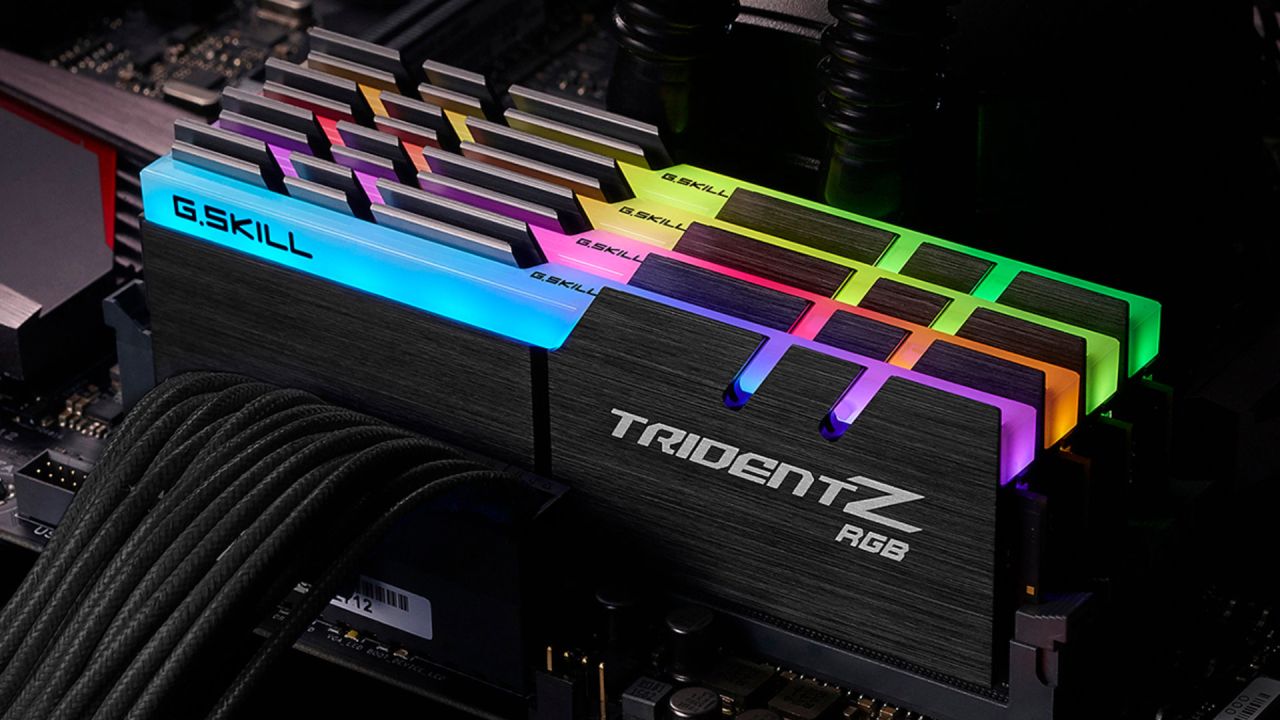
For PC builders and gamers, DDR6 is both exciting and frustrating.
Yes, 17.6 Gbps memory and super-efficient sub-1.0V operation are a gigantic step ahead. However, the chronology narrates a more drastic tale.
Under optimistic assumptions, the consumer platforms will not realistically obtain DDR6 motherboards or retail kits until 2030 or later. DDR5 will also have undergone numerous refinement cycles, providing higher speeds, reduced latency, and much lower prices than at the time.
The conclusion is quite easy to grasp: it is a losing strategy to wait until DDR6 is available. For anyone installing or upgrading a system today, investing in high-end DDR5 makes much more sense. There is still headroom on the platform, and by the time DDR6 is available, the rest of the ecosystem will have completely shifted: CPUs, chipsets, and prices.
DDR6 is perhaps the next phase of computing. Still, until then, it is a technology that is being developed in the shadow of AI- and gamers are at the far end of that list.
Senior Editor, NoobFeed
Gaming Hardware Updates
No Data.