
Samsung Strike Could Worsen DDR5 Prices Ahead of Computex 2026
Samsung’s semiconductor strike threatens DDR5 supply stability and increases pressure on already inflated memory pricing worldwide.
Hardware by Shinji Okazaki on May 17, 2026
With plans for a large-scale strike, Samsung's chip unit is poised to make the global memory market very unstable. This time, it will affect DRAM production. As Computex 2026 approaches, concerns about DDR5 supply and pricing are spreading across the industry.
PC hardware prices are already being affected. Now, stores, manufacturers, and PC gamers are keeping a close eye on the situation because one of the world's largest memory makers might have to stop production for a few weeks.
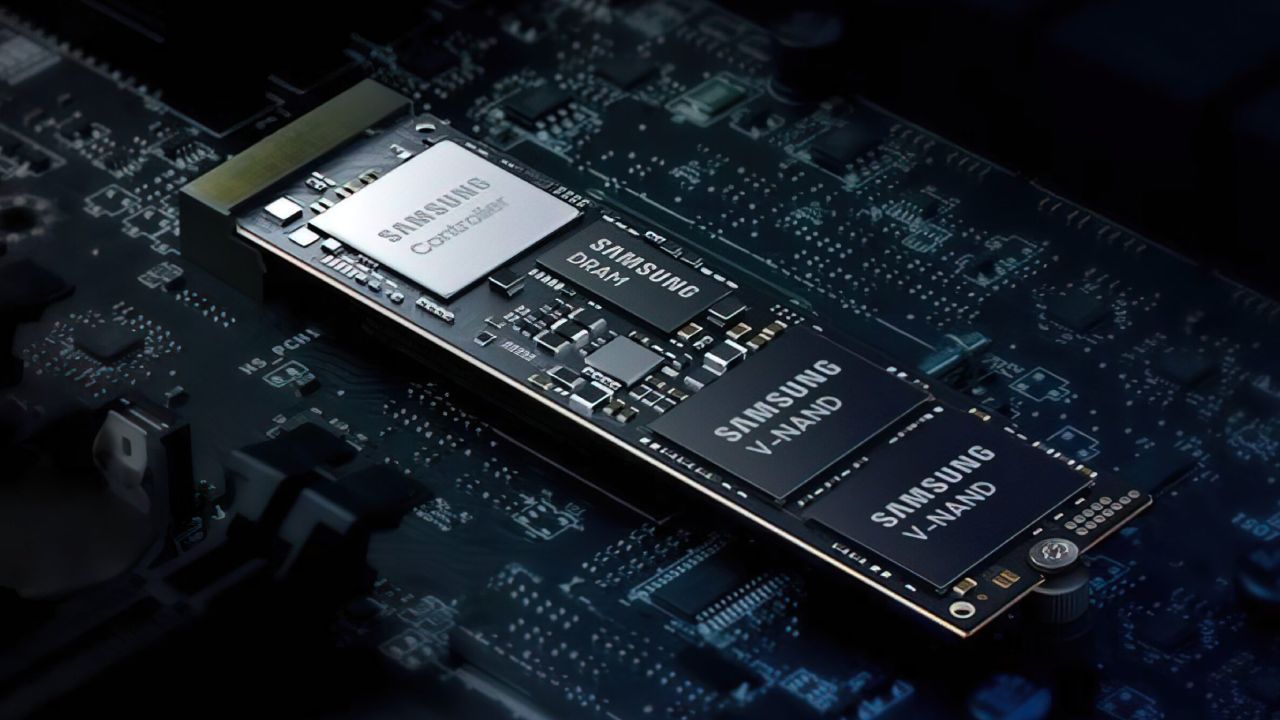
Samsung Workers are Readying for a Long Strike
Samsung's semiconductor workers are poised to go on strike May 21–27 after talks with the company's union broke down earlier this week. Over 43,000 workers have applied to join, representing more than half of Samsung Semiconductor's staff.
The controversy centers on bonus and long-term compensation deals for employees. Rival memory seller SK Hynix has a 10% rule for the portion of annual operating profits allocated to employee bonuses, which is the figure Samsung executives are hoping for. Samsung, however, has instead offered a one-off payment without committing to a profit-sharing deal.
Semiconductor plant production lines cannot operate normally if more than 50% of employees are unavailable, according to industry reports. So, Samsung might have to halt production at parts of its factories rather than reduce production levels for the duration of the strike.
DRAM Supplies May Be at Risk of a Major Disruption
Samsung is still one of the three biggest semiconductor memory manufacturers in the world, alongside SK Hynix and Micron. It accounts for the largest share of global DRAM production, and any disruption has a significant impact on the hardware industry as a whole.
Samsung reportedly began the initial stages of warm-down in certain plant locations before the actual strike. Most semiconductor fabs run 24/7, and shutting them down introduces issues beyond short-term production.
Restarting the semiconductor business is not a quick process. It could take two to three weeks after the strike for production lines to get back up and running, according to industry analysts. The long recovery period can also diminish the supply of memory during a precarious market cycle.
DDR5 Prices Continue to Rise, May Continue to Rise
The strike adds to the strain on already high hardware costs for consumers. This year, DDR5 memory has been a rollercoaster ride due to limited supply, rising demand, and higher manufacturing costs.
With prolonged disruptions at Samsung, the DRAM inventory might eventually shrink worldwide, further driving up DDR5 prices in the second half of 2026. Chains could be further restricted if suppliers are low on stock, which could be a problem for retailers and system builders.
This effect would probably not be confined to a single stick of RAM. DRAM is crucial for applications such as GPUs, laptops, prebuilt gaming PCs, servers, and AI hardware. Reduced production from Samsung will thus affect several technology segments simultaneously.
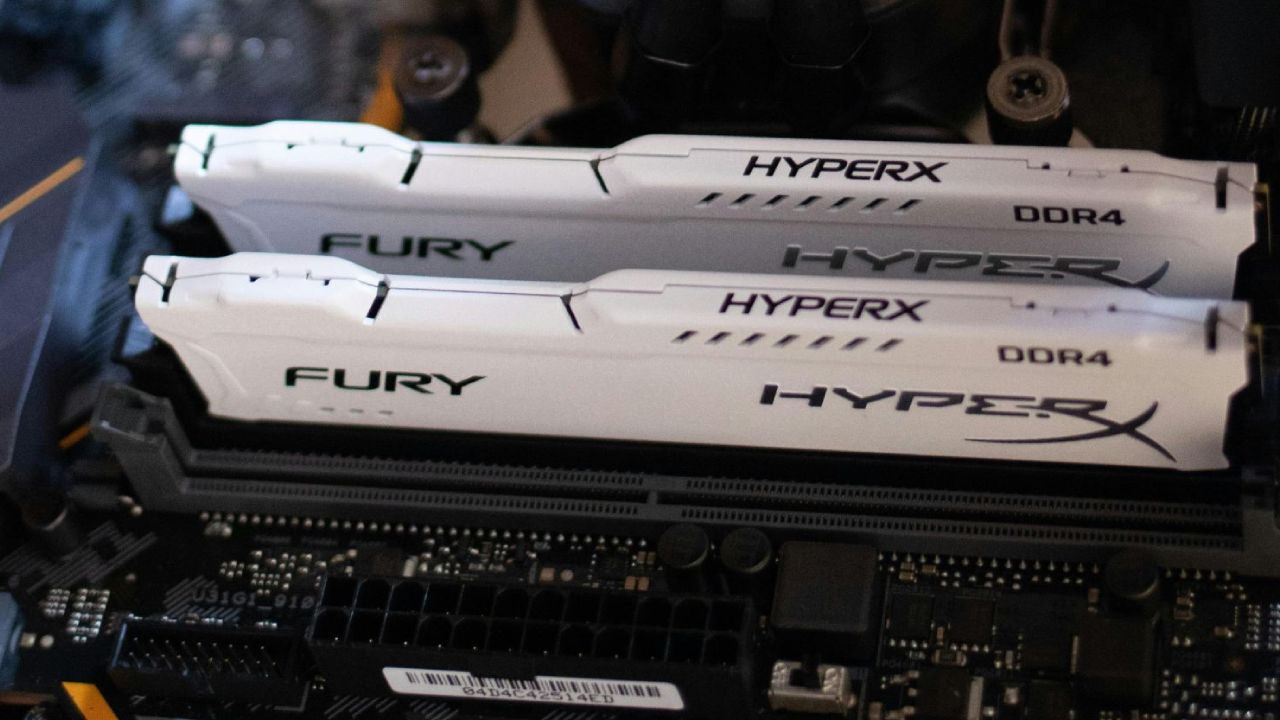
Computex 2026 is Coming Amid Market Uncertainty
The turn of events also occurs mid-week before the biggest yearly PC hardware event, Computex 2026. Memory was also an unknown, though expectations for it weren't that high anyway, which was added to the mix of major GPUs and CPUs dropping.
New game hardware developers could now be worried about the cost and availability of the components. If new products announced at Computex are priced higher due to higher DRAM prices, this could affect the end-user price of newly released systems/upgrades.
AI infrastructure remains a constant theme, with a significant impact on semiconductor manufacturing priorities so far. If there are additional DRAM shortages, it could further reduce the competitiveness of gaming hardware in production allocations compared to enterprise and AI products.
From a Samsung point of view, the company is facing financial pressures on both fronts.
The strike also puts Samsung in a tough financial situation. The losses the company may suffer range from $28 billion to nearly $100 billion, according to reports, depending on how long the disruptions last and how they affect production.
Meanwhile, it is said that Samsung would have to pay around $20 billion to meet workers' requests, which is about 15% of its expected operating profits in 2026. Now, though, the company has to figure out how to balance talks with the risk of losing more production and destabilizing its supply chain.
But for consumers, the immediate question is what the costs of hardware will be. With DRAM production slowing significantly over the next few weeks, DDR5 prices could continue to climb before Computex 2026.
Editor, NoobFeed
Gaming Hardware Updates
No Data.