
Shader Stutter Ends as Microsoft ASD Cuts Forza Horizon 6 Load Times by 95% on AMD GPUs
Microsoft’s Advanced Shader Delivery dramatically reduces shader compilation delays while transforming AMD Radeon gaming performance in Forza Horizon 6.
Hardware by Masaru Hoshino on May 17, 2026
Shader compilation stutter has been a major pain for PC gamers for years. Whether you have the latest and greatest hardware with the fastest SSD in the world or not, if a game is updating shaders in real time, you can experience some hitches, lags, and frame pacing issues during the most inconvenient moments.
As observed in some larger, open-world games and PC versions of console games, this becomes much more prominent, as shaders are not necessarily precompiled and may be dynamically created during runtime. In the end, high-quality hardware that produces unstable performance, just because the pipeline connecting game delivery and GPU execution wasn't fully optimized.
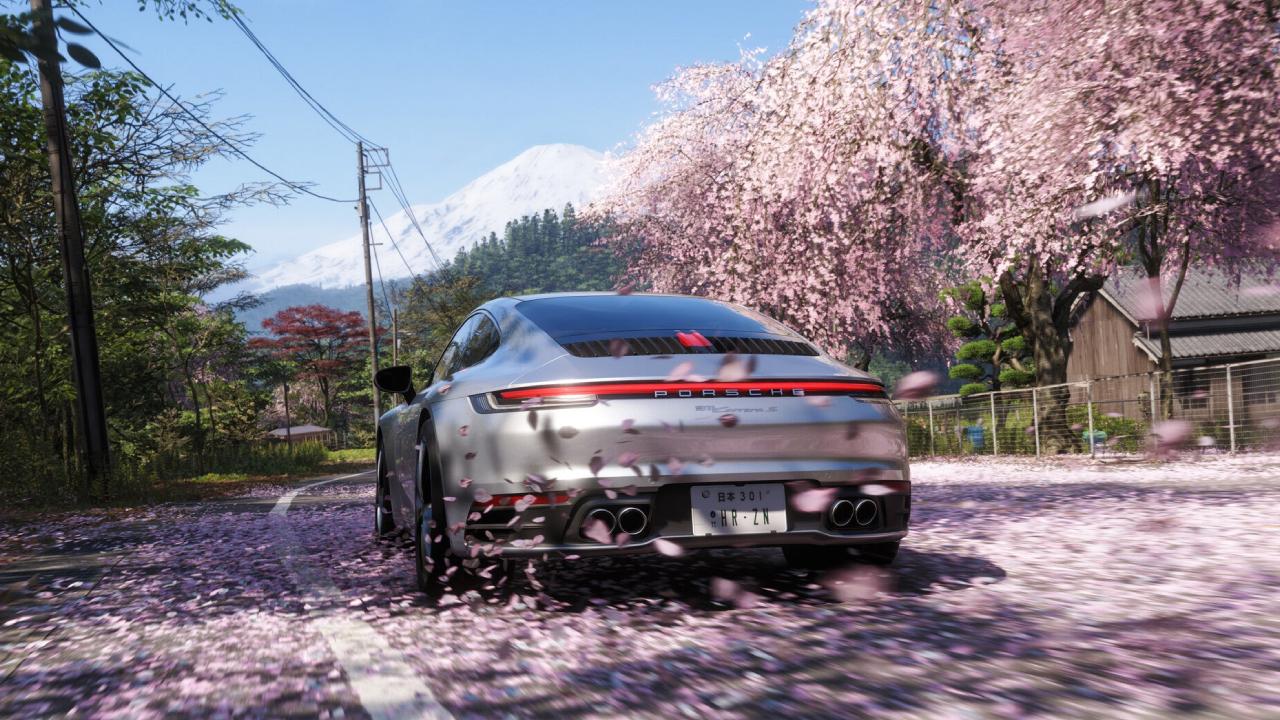
To resolve this long-standing issue, Microsoft has announced the introduction of DirectX Advanced Shader Delivery (ASD), the latest addition to AMD Radeon GPUs that marks one of the biggest paradigm shifts in PC graphics pipeline design.
Microsoft's Advanced Shader Delivery Changes the Pipeline
In essence, Advanced Shader Delivery is a somewhat easy-to-understand, yet revolutionary technology. ASD enables precompiled shaders to be embedded with the game, rather than being compiled on the fly from the player's system during gameplay or at first boot. This means, in practice, shader compilation is shifted from the user's PC to the ecosystem layer.
The shaders are pre-made and installed with the game, eliminating one of the most unpredictable sources of slowdown in today's PC gaming. The effect is instant: no more stuttering, no more first-time launch times, and a significantly more console-style experience with assets being ready for play before they are even introduced.
AMD Expansion: RDNA 3, 3.5, and 4 Join the Ecosystem
The major update is that Microsoft has extended its Azure Sentinel AI Services Public Preview to AMD's modern GPU stack. The most notable update is that Microsoft has taken Azure Sentinel AI Services Public Preview to the modern GPU stack from AMD.
The updated support covers a broad range of hardware, including Radeon RX 7000 and RX 8000 series desktop GPUs, Radeon RX 700M/800M mobile graphics cards, and the Radeon RX 9000 series desktop GPUs.
This is important because AMD graphics cards make up a significant portion of the mass market, particularly in the mid-range and laptop markets, where the performance impact of shader compilation is most likely to be felt as stuttering due to shared system resources and storage speeds.
Microsoft is trying to address the exact tier of hardware where the pain is most acute by embedding ASD at this scale.
The Forza Horizon 6 Benchmark That Changes Everything
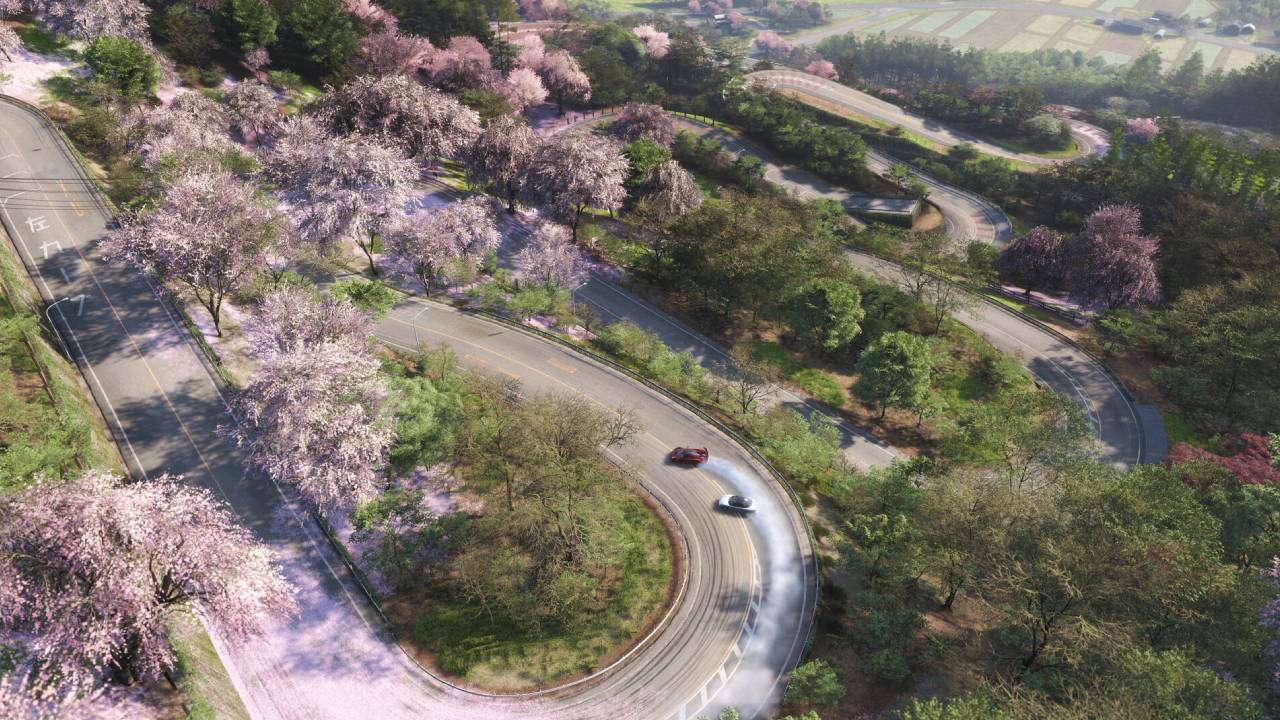
The best evidence of the game's capabilities lies in initial testing seen in Forza Horizon 6, which has already confirmed significant shader and open-world streaming requirements. With a midrange setup with the Radeon RX 7600 and a Ryzen 7 5800 system, the gap is quite spectacular. The load time of the site was reduced from almost 90 seconds to 4 seconds—a whooping 95% reduction in initial loading overhead!
But most importantly, the advantages go beyond just the time it takes to load. The stutter is virtually gone once in-game. There are no hiccups when driving through new environments or when encountering visual effects for the first time; from the start of gameplay, it is consistent and stable. This change isn't simply a performance boost; it's a fundamental solution to one of PC gaming's enduring technical flaws.
Why Precompiled Shaders Are Such a Big Deal
The traditional shader compilation model is that the end user pays for translating shaders from high-level to low-level for the GPU. In practice, this cost is very decentralized, volatile, and rarely optimized from one driver version to another and from one configuration to another. ASD takes out the guesswork.
The benefits are that shaders will be part of the game's install footprint rather than a runtime burden, and the mode is shifted into the distribution pipeline rather than the runtime. It's a system that, much like closed console systems, is ready to render before the player clicks start, and yet as open as they are with PC hardware.
Supported Systems and Real-World Requirements
Rather, Advanced Shader Delivery is not a simple on/off switch, and there is a risk that it could introduce instability. Is subject to strict software requirements. Players need to be on Windows 11 version 24H2 or later and have the latest Xbox Gaming Services updates. It's currently only available in the PC Gaming Preview, which is still in the "controlled roll out" stage, and not the "public release".
For the driver side, AMD users must have Radeon Software Adrenalin 26.5.2 or higher to ensure compatibility with the system. This guarantees that the GPU driver stack is in sync with Microsoft's precompiled shader delivery format and execution model. Though they might seem limiting, they're a technology still in its infancy, sitting in the middle of the graphics pipeline between game distribution and GPU execution.
Advanced Shader Delivery is more than a performance boost; it's a redefinition of the PC game shipping process.
Shader compilation has long been seen as an inevitability for PC gaming flexibility, and that seems to be the case. Players were supposed to take the hit for hardware variability, differences in driver software, and runtime compilation delays. ASD turns that idea on its head.
Rising from preview status and adopted by other engines, this model could trigger a broader industry shift in which shader precompilation will be the norm for PC releases. Not only would it remove one of the most conspicuous stuttering issues in modern games, but it would also set a higher bar for PC port quality.
The consequences are far-reaching. Near-instant loading times and stutter-free gameplay are no longer just optimization gold; it's a redefinition of PC gaming consistency, and a day in which a mid-range GPU like the RX 7600 series can provide this experience is not far off.
Advanced Shader Delivery is currently in preview, but it's clear that's the direction they're going. Microsoft and AMD aren't simply fixing a performance problem. They are trying to get rid of it altogether.
Editor, NoobFeed
Gaming Hardware Updates
No Data.