
Steam Machine and SteamOS Signal a Major Shift in PC Gaming Platforms
The evolution of SteamOS highlights a shift away from general-purpose systems toward dedicated gaming platforms
Hardware by Nahe Yan on Jan 25, 2026
Many gamers have slowly switched from Windows to SteamOS as their favorite gaming operating system. What started with the Steam Deck has grown into full desktop installations. Now, SteamOS runs high-performance gaming PCs. It's not only about how easy or new it is to play games on Linux anymore. SteamOS works better in the real world, delivers longer battery life on handheld devices, and makes it easier for people to play the games they want.
Switching to SteamOS went off without a hitch. The operating system keeps out of the way, and gaming sessions start faster, pause, and resume work without any problems. The main goal is still to play games, not to deal with updates, background services, or system functions that aren't needed.
.jpg)
From the Steam Deck to Gaming on Your Computer
People played PC games in new ways after getting the Steam Deck. It made Linux gaming feel grown-up and simple, and it encouraged game sessions of any length without any breaks. These ideas spread to desktop computers over time. When Windows was switched out for a better game PC, the difference was clear.
SteamOS is not meant to be a general-purpose operating system. It was initially made for gaming, and that shows in how it works every day. There are fewer interruptions, no repeated upsells, and no extra background operations that use up system resources when you use this instead of Windows.
Benefits for Performance and Battery Life
Benchmarks that compare Windows and SteamOS show big differences. After setting the graphics to high levels and 1920x1200, SteamOS ran at 33 fps on the Lenovo Legion Go S. If you used Lenovo drivers, Windows 11 got an average of 18 fps, but other drivers got 24 fps. That space turns an uncertain situation into a game.
The same goes for battery life. On SteamOS, Dead Cells lasted 6 hours and 12 minutes, while on Windows 11, it lasted only 2 hours and 47 minutes. These results were the same across many titles and test situations, not just one.
SteamOS was worse than Windows when the first Steam Machine came out ten years ago. SteamOS 3.7 beats Windows 11 in newer games all the time now. The change is the result of years of concentrated growth and improvement.
Why SteamOS is Better than Windows
SteamOS only has one goal. Everything else is there to help that goal. When you use Windows, you can play games along with work, ads, cloud services, and data. Features like OneDrive, Microsoft 365, and Copilot don't make games run faster, but they do use up time and resources.
SteamOS eliminates the extra work. The system prioritizes game execution and controller-first engagement. You turn it on, grab a controller, and start playing. You don't need to change any settings on your computer or fight with the interface to have a good time on the couch.
User Experience First on Console
The way the user interface and interaction work is important. SteamOS treats controllers as the primary input method. It works right away, with no further setup. The new Steam Machine hardware will take this even further by letting you access it right away without going through the usual boot stages.
This design, which was influenced by the console, gives the impression that gameplay is intentional and direct. On desktop operating systems, stacked menus and interruptions are commonplace; however, this one does not have any of those features.
Problems and Limitations that Keep Coming Up
Some things are wrong with SteamOS. There are times when newer Nvidia GPUs don't work, but older cards like the RTX 2070 really do. Anti-cheat systems at the kernel level are a bigger problem. League of Legends, Valorant, Battlefield 6, and Apex Legends are examples of games that don't work because the developers choose not to make them work.
A few developers say that Linux's openness makes it less safe. Support might only be available for some distributions, like SteamOS, but the money hasn't come together yet. A lot of users still have a Windows installation just for a few games that don't work on other systems.
Growth in the Linux Gaming Market
Gaming on Linux is no longer unimportant. CommandLinux.com says that Linux's share of the gaming market grew from 2% the year before to 3% in October of last year. Growth accelerated quickly, rising from 3% to 4% in less than a year. Valve's hardware and software ecosystem is a big part of this change.
As more people use Linux, developers will have to support SteamOS more and more. Not paying attention to the platform will no longer be a safe choice; it will be a financial risk.
How important the Steam Machine is
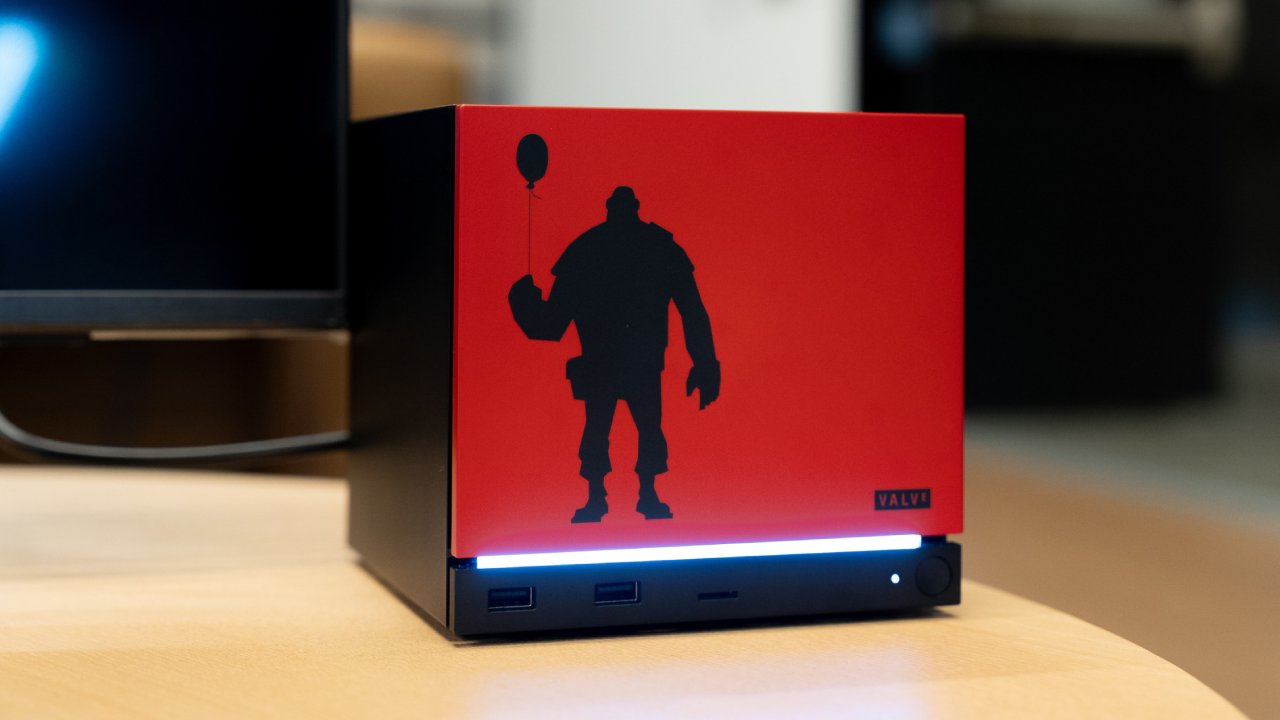
Steam Machine hardware enables SteamOS to run on more than just handhelds. About 20% of Steam Deck users connect their devices to a TV, which means that hundreds of thousands of players want to play in their living rooms. That demand shows strong interest in dedicated SteamOS systems.
Changing an old gaming PC to a community-supported SteamOS version like Bazzite shows how much the experience can change. As a result, games run better, the system feels more interesting, and gaming habits alter.
Freedom to Control and Input on Steam
One of the best things about SteamOS is Steam Input. It lets you change almost every type of controller in many ways. Making complicated input actions easier to understand makes them easier to use and more comfortable.
Changing hold actions into taps, for example, can make a big difference in how games feel. Steam Input works with both regular controllers and strange gadgets, so players may set up their systems anyway they choose.
Cost Benefits and Licensing
SteamOS lowers the cost of hardware. You can save between $150 and $240 by choosing a SteamOS version of a handheld PC instead of a Windows version. Licensing Windows alone raises device prices without improving gaming performance.
Windows is mostly there to help anti-cheat measures and make it easier for devices to work together. As more people use SteamOS, the reason becomes less strong.
Compatibility with Proton and Seamless
With Proton, you don't have to worry about compatibility. Without changing any settings, games run smoothly, and the experience is often as good as, or better than, native performance. A lot of the time, players don't even realize they're using Proton until they check their system settings.
There is no longer a requirement for games to have native Linux editions. Because Proton performs a fantastic job translating, players are able to concentrate on the game at hand.
Linux as the Base
Linux is adaptable, which is good for SteamOS. It's simple to set up hosted servers, access terminals, and automate tasks. You can run game servers, do system maintenance, and try new things when you need to because the UI is hidden while you play normally.
SteamOS might not be able to replace systems that are good for getting work done. Still, it is great at keeping you focused on games without any interruptions.
Final Thoughts
The growth of Linux gaming points to a bigger change in the future. When Linux gets 5% or 8% of the market, developers will have to make support a top priority. The ability to stop cheating will improve, and resistance to platforms will fade.
At one point, Windows was the best choice for gaming. Now, SteamOS does that job by improving performance, making interactions clearer, and bringing back the passion for gaming hardware.
Also, check our other articles below:
- AMD Ryzen 9 9950X3D Review: Setting The Standard For 2025 Gaming CPU
- AMD Ryzen 7 9800X3D Review: 3D V-Cache Goes God Mode with Stunning Gaming Performance
- AMD RX 9070 Performance Review: Thermals, Clocks, and Real-World FPS
- AMD Ryzen 5 7600 Review: Best Budget Gaming CPU of 2025?
- AMD Radeon RX 7800 XT Review: RDNA 3 Power For Midrange Gaming
- Sapphire NITRO+ AMD Radeon RX 9070 XT Review: The Ultimate 4K Gaming GPU
- AMD Ryzen 7 7800X3D: Delivers Gaming Performance Far Beyond Expectations
- AMD Ryzen 9 7900X Review: Powering the AM5 Era with DDR5 & PCIe 5.0
- Intel Core i9‑14900K vs. AMD Ryzen 7 7800X3D: Power Profiles & Gaming Benchmarks
Editor, NoobFeed
Gaming Hardware Updates
No Data.