
AMD Zen 7 Leaks Reveal 32-Core CPUs, Zen 6 Gaming Performance, and Advanced Packaging Changes
Zen6 production plans signal higher core counts, gaming competition, and efficiency-focused processor upgrades.
News by Nahe Yan on May 26, 2026
As businesses seek to boost efficiency, introduce package innovations, add more cores, and deploy AI-driven capabilities, a processor roadmap is playing a significant role in desktop and enterprise device competition. The rumors, supply chain reports, production news, and architectural leaks about future generations of CPUs suggest changes in clock speeds, cache configurations, manufacturing processes, and platform support.
New advances related to Zen 6, Zen 7, and the contenders in the processor architecture sector are also leaving many questions about gaming leadership, power usage, memory support, and platform switching to ponder.
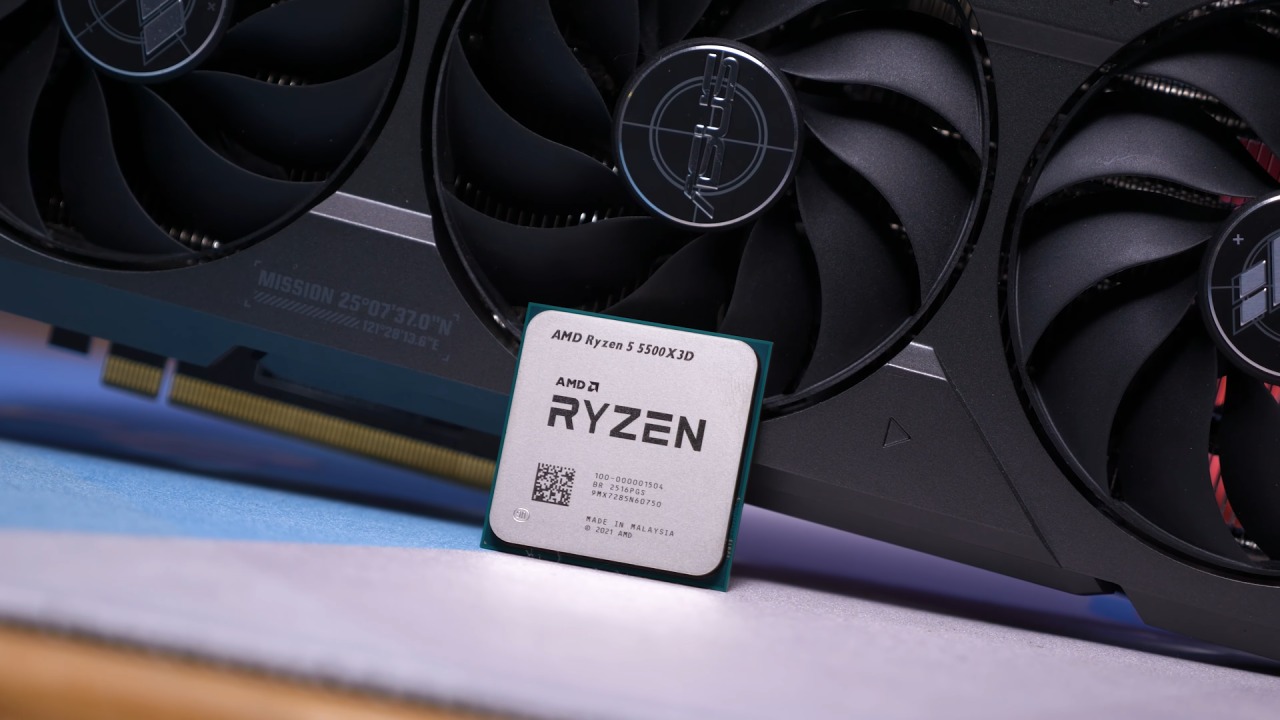
Details about Zen 6 Production ramp and performance expectations.
First of all, let’s start with Zen 6, shall we? Production of Zen 6 CPUs is now ramping up, and there are already reports of a 1.7x performance boost over the previous generation on EPYC Zen 6. It's not only IPC, however. This is due to several factors, including a 33% increase in CPU core count, higher clock speeds, increased bandwidth, architectural improvements, and other factors that add up.
It seems the emphasis here is on cloud and AI workloads. If that is the case, Zen 6 might not be released this year for desktop computers, but conflicting rumors continue to circulate. At first, it was suggested that Zen 6 might be released in Q4 and that X3D parts would be available early next year. But now delays could be a factor. There are several reasons why the tech industry remains uncertain, and release schedules are hard to predict.
Besides, there are a couple of interesting things being talked about regarding Zen 6. Several reports claim that, based on insider estimates, Zen 6 will beat Nova Lake in gaming performance. That's not to say the lead would be a drama queen, though. But rather than that, expectations suggest the competition could remain competitive. Final clock frequencies will be a factor, and there is always the chance that one side will be faster than expected while the other falls short of performance targets.
In many respects, Zen 6 can turn out to be similar to Zen 4 historically. Not always a bad thing. We're seeing a few architectural improvements, but it appears that the majority of the focus is on clock speed and energy efficiency. Based on what we've heard, the Zen 5 X3D parts will likely continue to beat the Zen 6 CPU in many games. Zen 6 X3D parts would then be even further ahead in terms of performance, of course.
This has been seen before with Ryzen chips. Hopefully, there will not be a long wait between vanilla processors and X3D variants, as a separation that makes it harder to wait if you're hoping to get the more powerful gaming version. With the information available at this time, Zen 6 should also be competitive with Nova Lake in games, but a lot hinges on the final product and how Intel's technologies perform.
Another factor to consider is energy usage. Intel is set to remain power-hungry with its chips, while AMD seems to be rushing to make its chips more efficient. AMD materials around Zen 6 also highlight support for new data types and new AI pipelines, suggesting other enhancements beyond desktop performance.
Medusa Zen 6 is said to feature 12 cores per CCD, thanks to a 6-way expansion. On the desktop side, Medusa Zen 6 is forecast to expand to 24 cores, or 12 cores per CCD. It's not much, but it's a significant boost in capability for high-performance desktop processors.
Grimlock is another name for Zen 7, and it will spark a whole new discussion.
Zen 7 is said to be based on a 1.4nm process technology, advanced packaging methods, and is expected to be available around 2028. However, there is hope that these timeframes might not necessarily be the starting points for desktop products at first. Reports suggest that preparations for Zen 7 platforms have begun, with Zen 6 production now ramped.
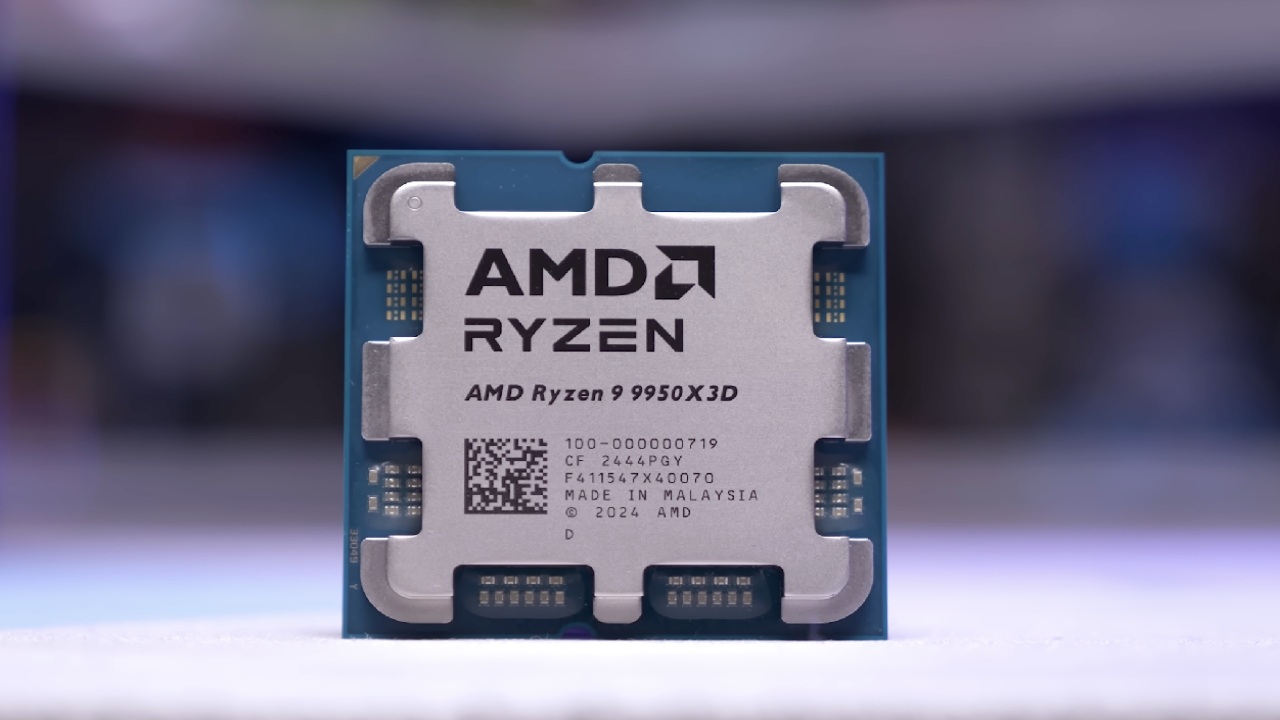
Based on the supply chain information, Zen 7 core technology and CCD development could be built on TSMC's A14 process and next-generation X3D V-Cache technology. Evaluation of fan-out panel-level packaging is also mentioned, as it is likely to become increasingly critical as processor complexity grows. AMD also mentions upcoming changes to AI acceleration in the documentation. Zen 7 is said to feature support for a new AI data format and a new matrix engine.
Those shifts reflect a greater focus on workloads and AI-focused hardware acceleration. Meanwhile, the desktop CCDs look set for big changes. With high expectations of 16 cores on the desktop, there is also good news about the desktop's cache size. Zen 7 is not just a total rewrite; it's a major rewrite nonetheless. Changes are anticipated for cache systems, core layouts, and more general processor architectures.
It appears they are tuning everything to some degree, based on the information we have received. With Zen 7, it is still expected to be larger caches, wider architectural changes, and more core counts. L2 cache sizes are expected to increase compared to the previous generation. Platform support is also up for discussion. Previous reports indicated that both AM5 and AM6 could get Zen 7 support, but more recent ones indicate that Zen 7 will only be supported by AM5, while DDR6 consumer support is still slowly picking up.
At this time, DDR5 appears to be sticking around longer than some would hope. Other Intel chips, such as the Nova Lake and its derivatives, are also likely to rely on DDR5 memory in the future. That is, users can stay on DDR5 for quite a while. You might still think you'll see more experimentation with memory configuration, but real-world changes generally happen more slowly than speculation does. Now there's a growing likelihood that DDR5 will be around for the long term.
The one that's been discussed a lot about Zen 7 is the desktop core count possibilities. Reports indicate that desktop processors will be scaled up to 32 cores, with larger cache sizes and greater architectural interweaving. All indications are that vertical integration and larger cache pools are to be expected. Along with increased L2 cache, more CCDs, and architectural changes, Zen 7 could be one of the most significant additions to AMD's desktop roadmap.
It also leaves an intriguing question – what becomes of the AI market once that happens? The dynamics of demand and prices, manufacturing costs, and hardware priorities may change greatly in the future. However, one positive trend is the wider adoption of the memory market and higher manufacturing levels, which could help alleviate supply constraints and pricing pressures.
Intel is also continuing to adapt its roadmap.
Reports on Nova Lake CPUs show configurations with 8E cores and 12 XE3P cores for edge segments, as well as improvements to the integrated graphics. Intel's Arc roadmap is complex. There's a long history of rumors claiming that Arc has died, while others say development is ongoing. The state of the information is still mixed, but chats with several sources suggest Druid (the architecture being developed according to current plans, using XC4) is still alive.
The difficulty lies in getting it at the right time. There seems to be no one who knows exactly when the windows of opportunity may be. Various factors, including financial priorities, memory costs, and return on investment (ROI), affect hardware schedules.
Adhering to memory conditions and maintaining pricing competitiveness are alleged reasons for the failure of larger Battlemage products to launch. It is even more difficult to launch products when the market is not competitive due to price pressures.
Intel continues to work on its financial recovery while prioritizing hardware.
Weaker-ROI markets are not equally interesting. Meanwhile, Intel is reportedly continuing to develop its own GPUs for integrated graphics, servers, and high-performance computing. Discussions also continue about future CPU SKUs, including those involving NVIDIA.
But there are timing issues with desktop Arc graphics. Rumors are now surfacing about the possibility of Rumor launches in the second half of next year, but with the caveat that they could be delayed if market conditions or component availability change. Exact release dates are unknown, and memory shortages may still cause releases to be rescheduled. Despite this, all the pieces are in place for more competition between the RTX 60 and RDNA 5 products in the future.
The next generation of Intel Arc products might be delayed until after some of its competitors launch, and therefore may not be available until 2028. Whether it can still happen on a commercial scale is up for debate. In terms of architecture, Intel has made strides from Alchemist to Battlemage, so iteration is still possible. Only time will tell what Intel will do with Arc to compete with other GPUs, and whether it will make further investments.
Editor, NoobFeed
Related News
No Data.