
Ardenfall Emerges as A Bold Indie Successor to Classic Elder Scrolls
In a promising Steam demo, Spellcast Studios' first role-playing game combines old-school role-playing depth with vertical exploration and responsive world features.
News by Nusrat Choity on Feb 14, 2026
There is a new competitor in the open-world fantasy role-playing game genre, and it clearly takes ideas from one of the most important titles in the genre. Spellcast Studios made Ardenfall, aiming to be a modern, independent take on the classic Elder Scrolls design philosophy.
There is a free demo of the game on Steam right now, and it's already getting a lot of attention for its deep character systems, responsive world, and design style that leans heavily on old-school role-playing features rather than making the game easier to use. Ardenfall is the first project from Spellcast Studios, which is a small development team.
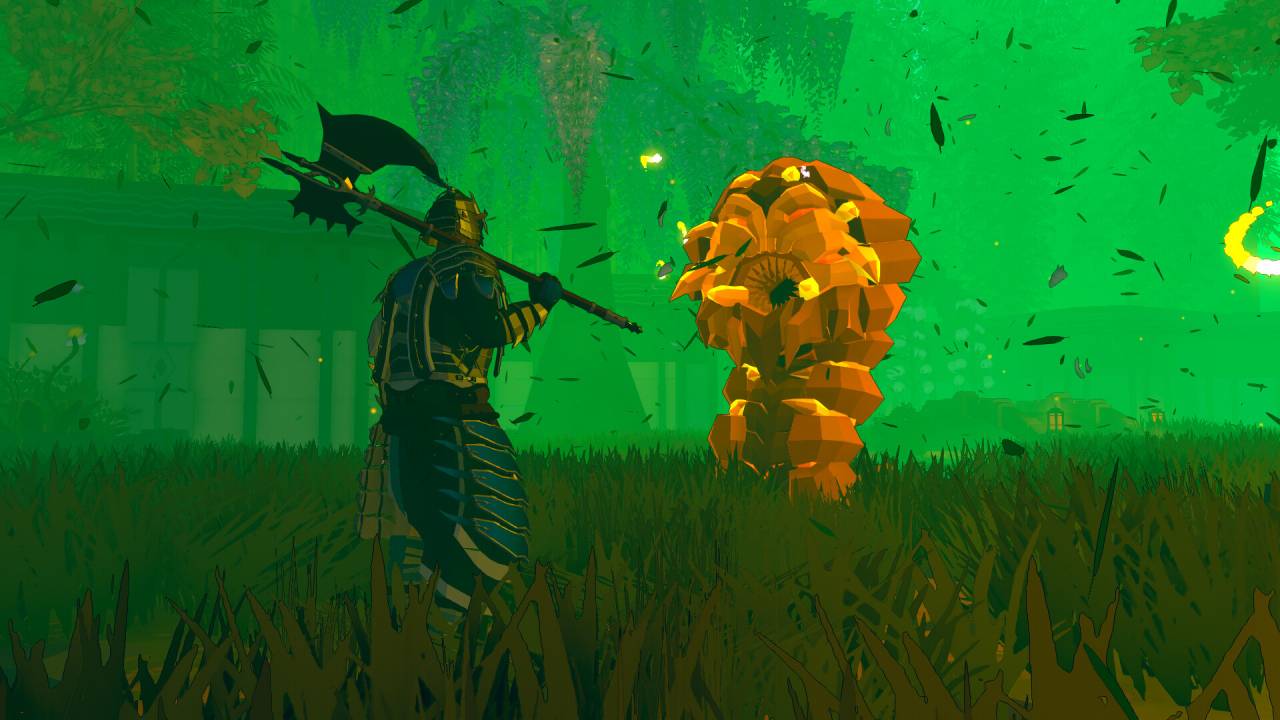
As soon as the game starts, you can tell it was influenced by The Elder Scrolls. The character creator lets you choose from three possible races, including two types of elves and a dwarf. Aside from choosing a race, players also choose traits and spend money on skills like magic, alchemy, thievery, light armor, and heavy weapons.
These systems don't just look nice; they actually change how people respond to the world.
The changes you make to your character have real effects throughout the game. Your race and the skills you choose have a direct effect on the dialogue choices, quest resolutions, and interactions with the environment. Sources say that non-player characters talk about the main character's race and that some paths or shortcuts can only be reached by people with certain levels of skill.
For instance, characters that are built for agility can fit through small gaps in dungeons, while characters that are built for power may find other ways to get through. The design theory supports both limiting and granting power, and it urges players to focus on their character's long-term identity rather than trying to make them as strong as possible.
You can explore from both a first- and third-person view, but for now, fighting is only available in a first-person view. It has been said that the layout and menu responsiveness are especially well done. It is said to be seamless to loot bodies, open containers, and interact with the world, with little time passing between actions and feedback.
According to the sources, this smooth user experience adds a lot to the realism, similar to how Bethesda-style RPGs are designed to be easy to use. How combat works is simple, but it does its job. Basic attacks, charged strikes that drain stamina, timed blocks that set off parries, and quick runs for moving around are all things that players can do.
On PC, a hotbar lets you quickly switch between close-range guns, long-range weapons like bows, and spells. The rules aren't too hard to understand, but they make it easy to try new things and switch between play styles.
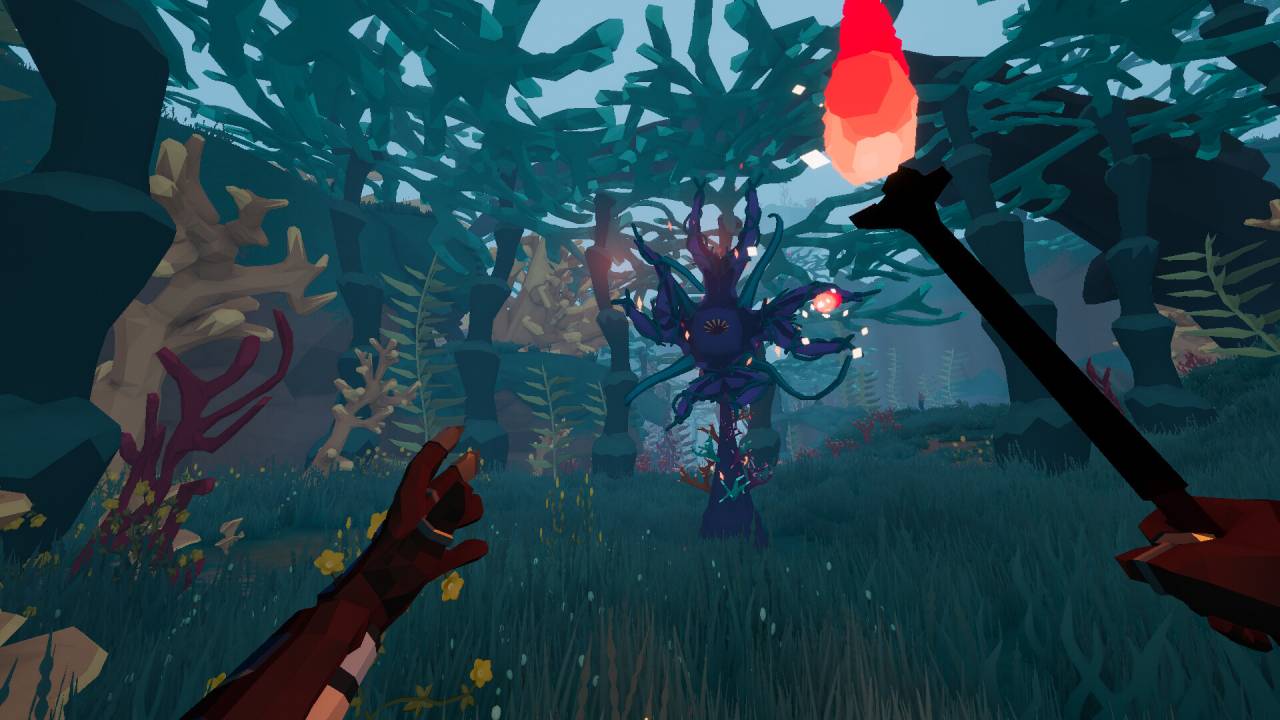
In terms of how it handles travel and verticality, Ardenfall seems to stand out the most. Dungeons are fun to explore because they have interesting items and secret passages. In one quest situation described by the sources, a strength-based solution allowed the main character to fix a broken well, which sent bubbles up to a sky island above the map and allowed them to fly there.
This high place had useful items and quest targets that helped characters specialize and learn more about their surroundings.
The game has environmental effects that temporarily change how you can move. Some caves give speed boosts that let players run across big gaps or go through areas that they wouldn't normally be able to reach. Characters can climb vertical spaces and try out new ways with the help of effects that make them jump higher.
Potions copy these short-term benefits, which encourages players to think of new ways to solve problems. Sources say these features remind them of the experimental vertical design found in older RPGs, where player choice and the game's size often led to surprising ways to move around.
The way quests are set up also shows that player choice is important. Spellcast Studios has said that at least one big demo quest has five different endings. Players don't have to reach a single decision; they can make choices and get different outcomes.
The natural-use model says that skills improve, so people learn them by using them repeatedly. Fighting with a sword gets better, trying to persuade someone gets better at talking, and exploring gets you more experience. This method for organic growth strengthens the sense of role-playing continuity.
Non-player characters have plans and change in response to the player's actions. People in towns move around based on the time of day, and their conversations change based on how well a quest goes. Reputation systems affect social access; people who initially don't want to interact with the player may change their minds if their standing rises.
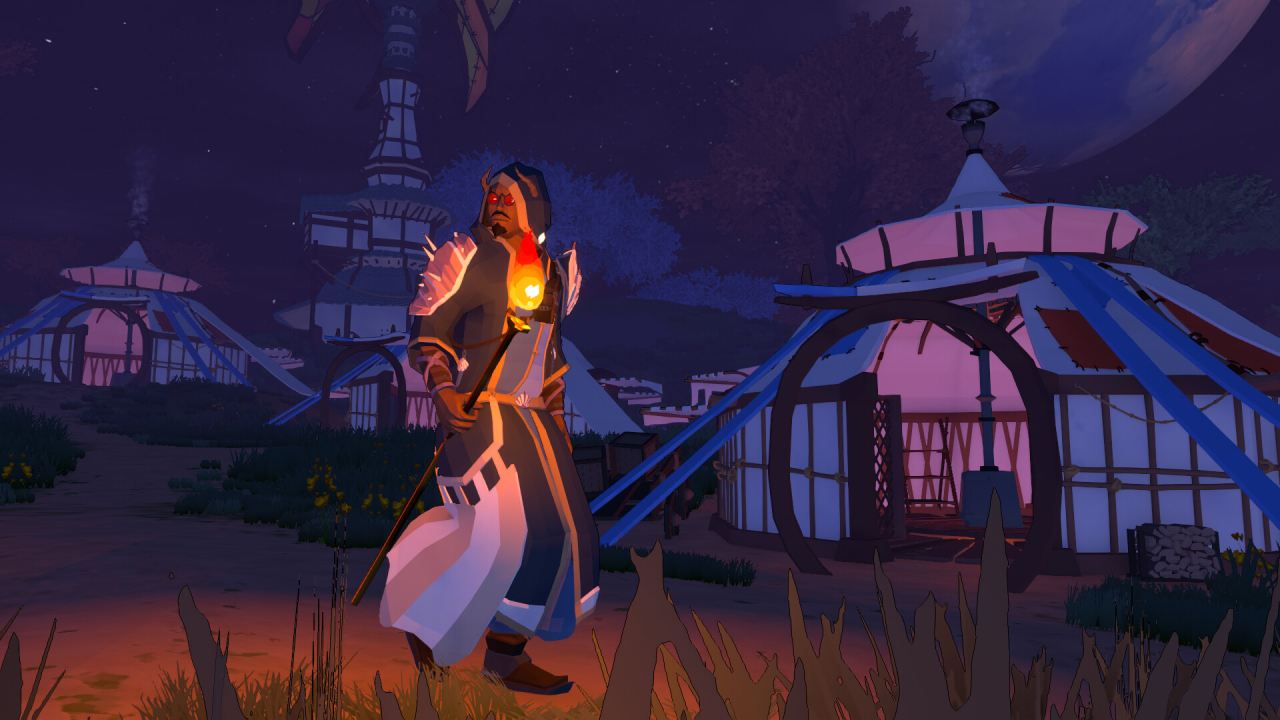
On the other hand, the game allows for fatal outcomes. Developers have said that any non-player character can be killed, which undermines the idea of "essential" characters protected by the story. This design choice makes the game more like a playground, letting players change the world by negotiating and destroying it.
Skill-based gating, quest outcomes that can go in different directions, reactive NPC behavior, and open-ended fighting all work together to make the system feel cohesive. Ardenfall doesn't just copy the looks of older role-playing classics; it also follows the same rules for how the game is put together. The art style differs from photorealistic trends, favoring stylized landscapes and colorful low-poly models.
Canopies over forests, sky islands, and different dungeon patterns make the game look interesting and let you try new things while playing.
Planned releases are still variable. Ardenfall was supposed to enter early access last year, but the team chose to release a test instead. Still, it's not clear if the project will soon move into early access or go straight to a full release. Early impressions suggest that the base is strong, especially for a first game from a small company, no matter when it comes out.
As people wait for the next big game in the well-known fantasy role-playing game series, Ardenfall is making its own name by focusing on difficulty, consequences, and vertical exploration.
This game from Spellcast Studios may be more than just an homage, as it features skill-based gameplay, multiple quest endings, and a world that reacts or falls apart depending on what the player does. Could this independent project become the next big thing in sandbox fantasy role-playing?
Contributor, NoobFeed
Related News
No Data.