
Blight: Survival Gets Major Gameplay Update as New Reveal Teased for Halloween
Blight: Survival continues expanding its combat, environments, enemies, and progression systems as Haneir Studio prepares another major reveal for Halloween.
News by Tahmid Mahi on Oct 07, 2026
Blight: Survival is starting to look much bigger than the game that first captured attention with its early gameplay footage. The brutal medieval co-op survival game has received another substantial look at its combat, environments, enemies, physics, and progression systems, while the developers are teasing another major reveal before the end of October.
The original concept was already enough to attract millions of views. You had a medieval world destroyed by war, an infection transforming the dead into monsters, and extremely physical sword combat that immediately made the project stand out. The latest footage shows that the developers are expanding on that foundation, creating larger environments.
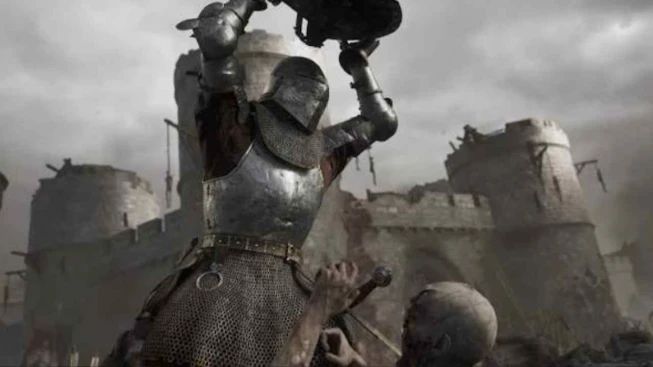
The team has also specifically teased more information around Halloween.
The developers ended their latest update by telling fans to keep watching as Halloween approaches, although they have not revealed exactly what will be shown. Considering how much new gameplay has started appearing, another major presentation before the end of October would give players a much clearer idea of how the project has evolved.
Combat remains one of the biggest areas of development. Haneir Studio and Behavior Interactive has been refining how attacks feel, how enemies react when they are hit, and how encounters work when multiple players are fighting together. A dedicated playtest group is already testing some of these changes, and the developers say the feedback so far has been encouraging.
The team isn't ready to provide the full combat showcase yet, but the system is clearly becoming more advanced. Blight: Survival continues to focus on grounded, directional medieval combat where timing, positioning, and weapon choice matter. Rather than simply giving every weapon the same basic attacks, the developers are giving different equipment distinct strengths that should change how you approach encounters.
One-handed swords are designed to be faster and more reactive, while daggers give up reach in exchange for speed and precision. The two-handed Zweihänder provides a much heavier option, while ranged weapons are also being developed. Weapons are becoming an important part of progression, with the team taking inspiration from historical equipment while adapting different weapons to fit Blight's fictional world.
That system should also make finding new equipment more meaningful. Discovering a weapon during a mission isn't simply about replacing an old item with something that has slightly better numbers. Every weapon has different attributes and rarity levels, so a new piece of equipment can change how you approach future encounters.
The world around these systems has also grown considerably. We also saw a medieval farm that the developers showed in concept art and are now building in the game engine. It features exterior spaces, buildings, and interiors that the developers are still working on adding details to.
The farm is simply one example of the many places the team is creating.
The devs are working on settlements, castles, caves, corridors, dungeons, and other enclosed spaces, as well as large outdoor environments. This variety should give a different feeling to missions depending on where you are fighting. Open areas allow more freedom of movement, while narrow structures can restrict your options.
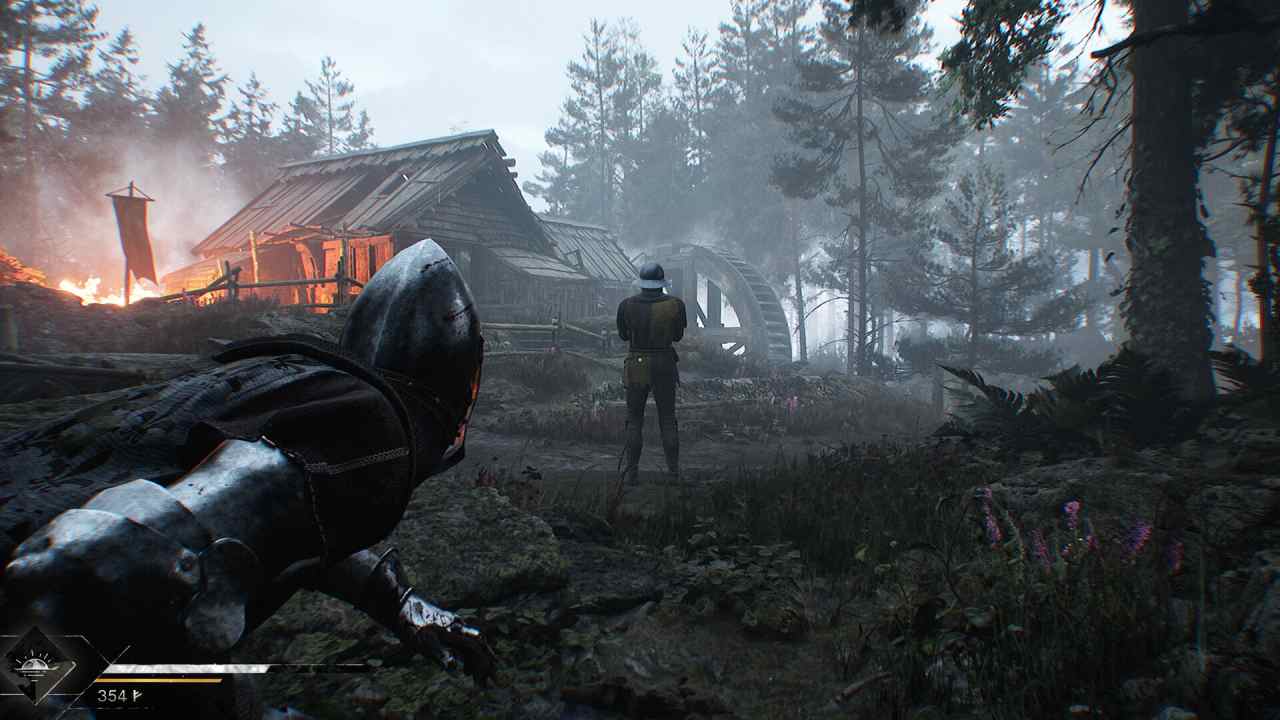
Another major focus is environmental storytelling. Rather than telling the story of each location through dialog or long exposition, the developers want the environment to tell the story of what happened. Objects, damaged structures, abandoned areas, and other environmental details can give you pieces of a location's history while allowing you to interpret what happened for yourself.
That approach also makes exploration more important because the world isn't simply being built as a collection of attractive backdrops. Locations are being designed to have a purpose within gameplay while also providing clues about the larger world. You might enter an area, notice something unusual, and gradually piece together the events that took place there.
The environments are also becoming more interactive. One new gameplay clip shows a Rattler smashing directly through a wall to reach the player, demonstrating that enemies aren't necessarily restricted to following traditional paths through buildings. Structures therefore aren't always guaranteed to provide complete protection when you are trying to escape an enemy.
The developers are also experimenting with physical systems that can change encounters. Bridges, for example, can potentially collapse when enough weight is placed on them. Multiple players standing on a bridge can contribute to that weight, but enemies chasing them can also affect the structure.
If enough pressure pushes down on the bridge, the entire structure can give way and send everyone falling into whatever is below. The system is still an early prototype, so it isn't clear how extensively the final game will use it. However, it indicates that the developers want the environment to participate in combat instead of simply acting as an immovable arena.
Some of the new enemy interactions are even more extreme.
Another gameplay clip shows infected bodies being launched through the air, with one exploding after hitting the ground and potentially causing area-of-effect damage. This is an especially brutal example of how the infection connects with medieval warfare.
That connection is important because Blight: Survival isn't set in a world where civilization disappeared long ago. The infection is spreading during an ongoing medieval war, meaning that battlefields, siege equipment, fortifications, soldiers, and other elements of the conflict can all become part of the infection's spread.
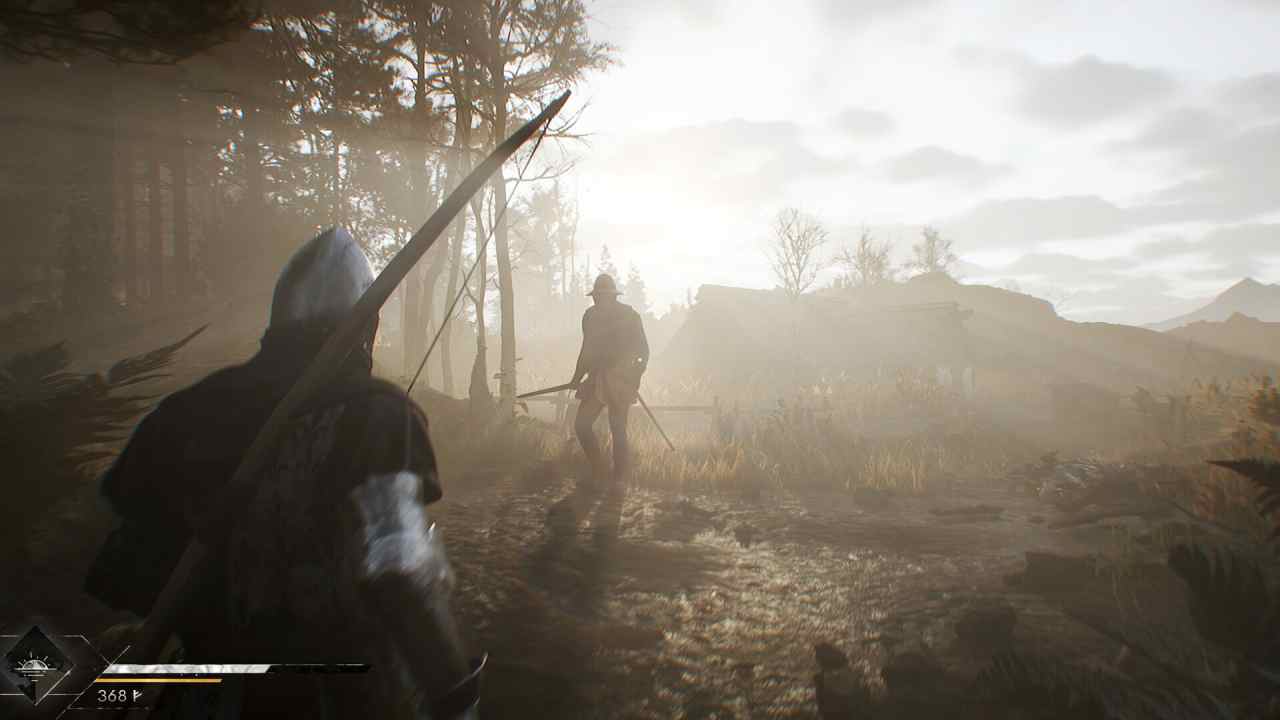
This gives the developers more options for enemy encounters. Instead of simply filling areas with groups of medieval monsters that run toward you, encounters can involve human soldiers, infected creatures, environmental hazards, and potentially multiple threats at once. The combination should also make missions feel less predictable.
The atmosphere is receiving another major upgrade as well. The team has been developing new fog technology that makes environments look more oppressive while potentially limiting how far you can see. That fits naturally with the game's cold, damp, and diseased visual identity, where simply traveling through an area should feel dangerous.
The blight infection itself is also being designed as something that visibly spreads through the world. Developers have tools that allow them to control how many blight tendrils appear in an area and how quickly they propagate. New visual improvements are still planned, but the goal is to make the infection feel like an environmental force rather than simply an explanation for why monsters exist.
The game's lore and faction systems are developing alongside these mechanics.
Blight: Survival takes place in the no-man's-land between two kingdoms involved in a brutal war, with the infection spreading through the bodies left behind by the conflict. The war doesn't simply stop because the blight appears, leaving human factions and infected creatures as separate but interconnected threats.
The developers say work on the world's history is now influencing factions, enemies, locations, and gameplay systems. This means the developers aren't simply using the medieval setting as an aesthetic layer over a zombie survival game. The war, equipment, factions, locations, and infection are increasingly connecting into a larger world.
Behavior Interactive's involvement has also dramatically increased the game's production scale. Behavior is developing, funding, and publishing Blight: Survival alongside Haneir Studio, while the original creators remain responsible for the project's creative direction. That arrangement allows the team behind the original concept to maintain its vision while gaining access to significantly greater development resources.
The difference is becoming increasingly visible in the scope of the project.
Blight: Survival is no longer just a promising combat-focused indie project. The developers are now working across directional melee combat, co-op encounters, human enemies, multiple infected types, ranged weapons, weapon rarity, armor, talents, environmental physics, destructible structures, large settlements, caves, castles, dungeons, environmental storytelling, fog systems, infection propagation, factions, lore, and its extraction-inspired mission structure.
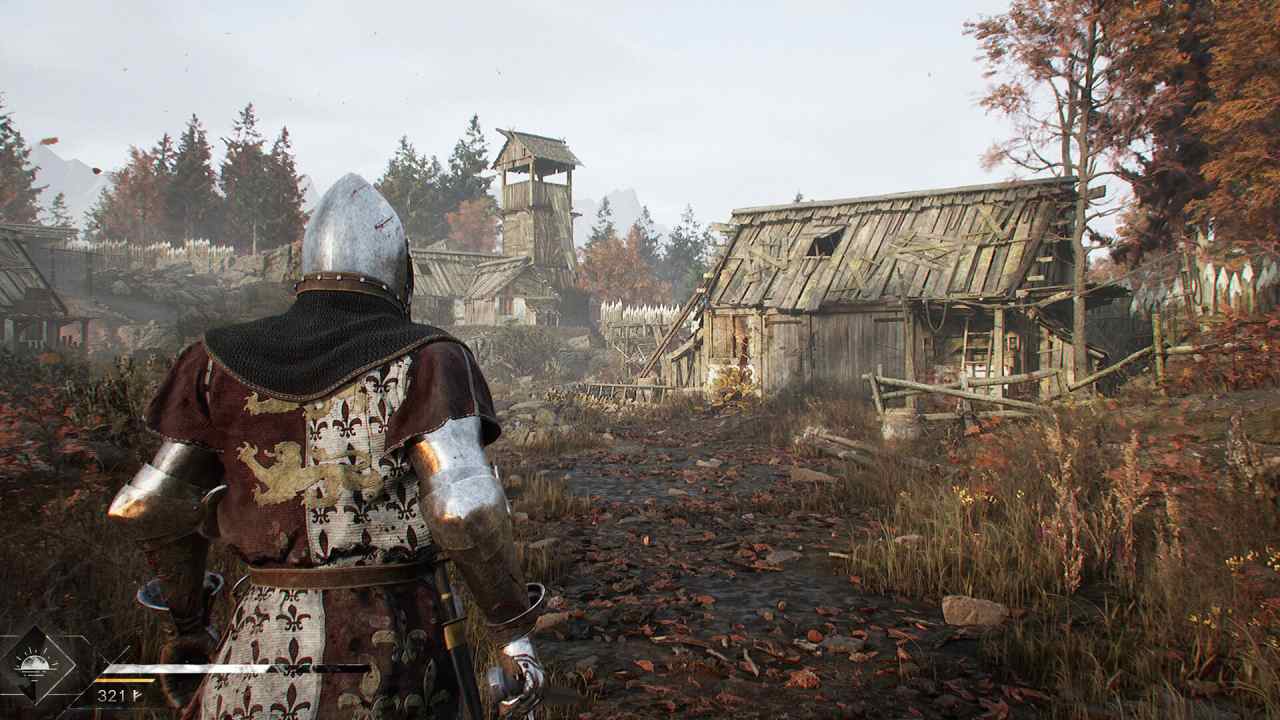
There is still no confirmed release date in the latest information, but the growing amount of gameplay and the upcoming Halloween tease suggest that the project is entering another important stage. The developers now have considerably more to show than they did when Blight: Survival first went viral.
For players who have been waiting since those early demonstrations, the upcoming reveal could be especially important. The game has changed substantially, and the next showcase should help demonstrate how all these individual systems work together during an actual mission.
Blight: Survival already had a strong hook, but its latest development update suggests that the final game is aiming for something much more ambitious. With physical combat, reactive environments, spreading infection, human factions, co-op encounters, and a detailed medieval world all being developed together, the project is steadily becoming one of the more interesting survival games to watch.
Editor, NoobFeed
Related News
No Data.