
CD Projekt Red Sets the Record Straight on AI and Witcher 4, and You’re Getting a Very Human-First Game
From studio layoffs and AI fears to Ciri’s darker journey and the debate over Witcher lore, here’s what’s shaping The Witcher 4 behind the scenes.
News by Mahi Araf on May 19, 2026
You’re getting a pretty clear message from CD Projekt Red right now as development on CD Projekt Red’s The Witcher 4 continues: AI might be in the toolbox, but it is not taking over the creative process. During the company’s Q3 2025 investor call, joint CEO Michael Nowakowski pushed back on growing industry speculation that artificial intelligence could lead to major headcount reductions across game development teams. The idea being floated was simple: if AI can speed up production, maybe it will need fewer developers. But that line of thinking was firmly rejected.
Instead, you’re seeing a stance that separates productivity tools from creativity. According to the CEO, AI is useful in certain areas, but it does not replace the people actually building games. He pointed out that while the gaming industry has gone through widespread layoffs in the last few years, those cuts were not caused by AI replacing developers. They were tied more to failed projects, studio restructuring, and the aftermath of over-expansion during the pandemic era.
In other words, this correction challenges a common narrative. The job losses across the industry are real, but CD Projekt’s leadership is saying they come from business cycles and project failures, not from machines stepping in to work instead of humans.
When pressed further, the message stayed consistent.
AI is being used mainly to improve workflow efficiency rather than replace roles. You’re talking about things like faster bug detection, code assistance, performance profiling, and helping artists iterate on textures or environments. It also shows up in animation support, early-stage procedural layout generation, translation drafts, and automated testing tools that still rely on human oversight.
None of this, according to the studio, removes the need for developers. It just makes each developer more efficient. One animator can iterate faster. One engineer can solve more problems. But the creative direction, the decision-making, and the storytelling still stay firmly in human hands.
That philosophy feeds directly into how The Witcher 4 is being built. You’re looking at a team size reported at around 447 developers, all contributing to the next mainline entry in the franchise. These are writers, designers, environment artists, and engineers, all working on handcrafted systems rather than automated content pipelines replacing them.
It’s also a contrast point in the wider industry. Other companies like Take-Two Interactive have discussed AI as a tool for reducing repetitive workload, but even there, leadership has been careful about linking it to layoffs. CD Projekt is going a step further by drawing a clearer boundary: AI helps, but it does not replace.
And for you as someone following the series, that matters because CD Projekt’s identity has always been tied to dense, reactive storytelling.
Their games are built around choices that matter, quests that feel handcrafted, and worlds that react in specific ways rather than relying on generic procedural systems. That kind of design still depends heavily on human creativity and iteration.
On the story side, things are just as interesting. You’ve got insight coming from Kamaz Machuka, a story director involved with Cyberpunk 2077 and now working on the narrative direction of The Witcher 4. His approach to writing leans heavily into character flaws rather than idealized heroism.
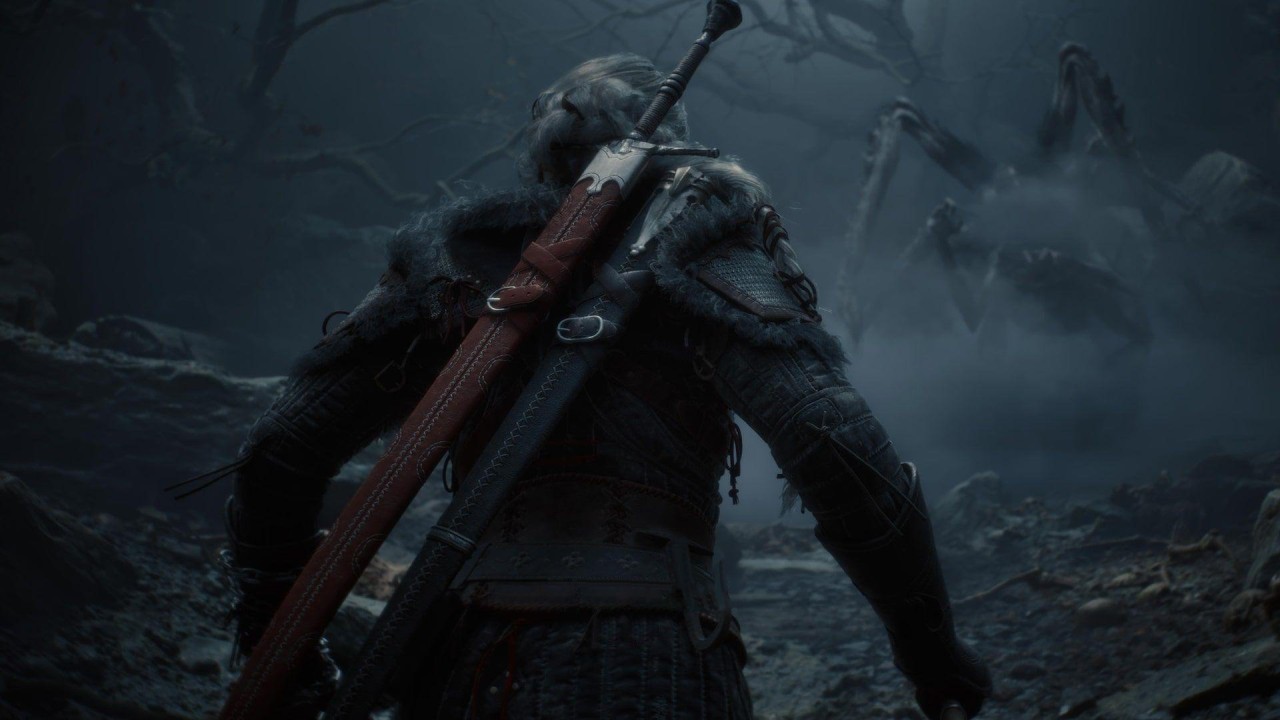
What that means in practice is you should expect characters who feel messy, inconsistent, and human. In his view, the most interesting stories come from mistakes, bad decisions, and consequences that can’t be easily undone. That philosophy was already visible in Cyberpunk 2077, where almost every major character has deep flaws that shape their outcomes and relationships.
So when you move into The Witcher 4, you’re not being set up for clean victories or simple hero arcs. Instead, you’re likely stepping into situations where outcomes feel earned through sacrifice or loss rather than traditional “win states.” Even success may come with consequences that stick with you.
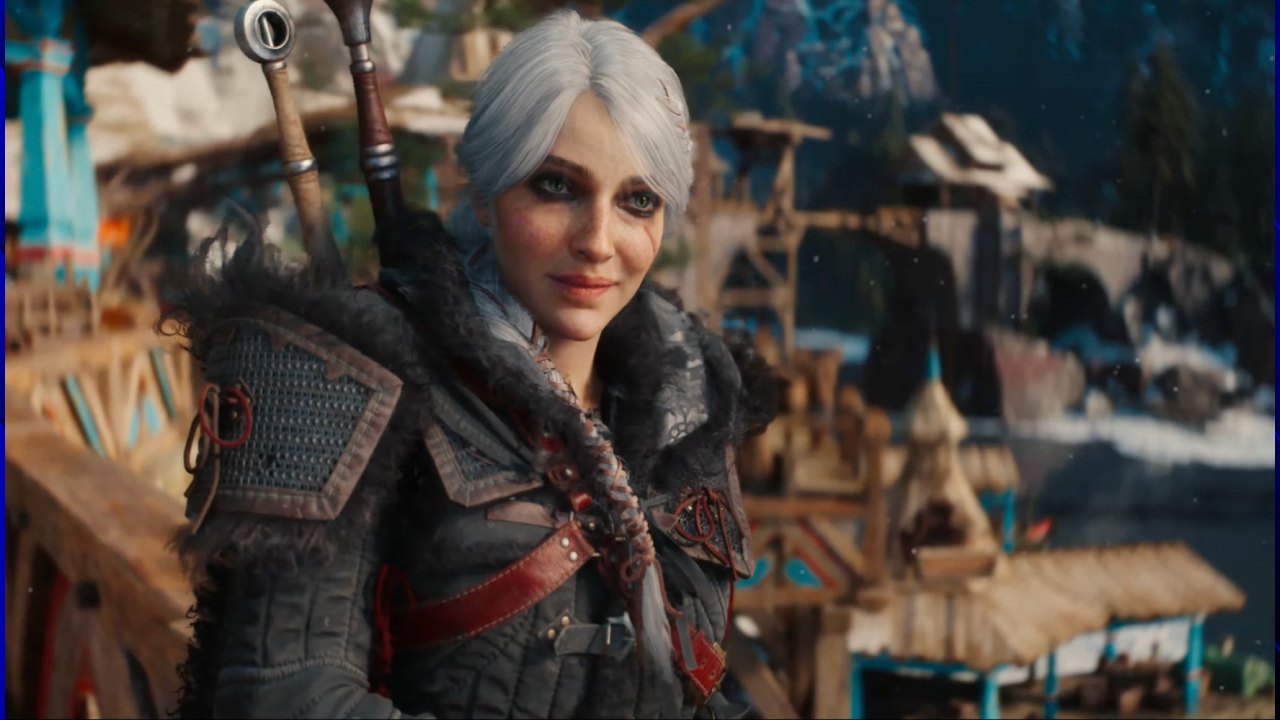
That tone also lines up with what was shown in early material around Ciri.
Her journey frames hardship, moral conflict, and outcomes where helping someone does not always lead to being rewarded for it. You’re not dealing with a clean hero story; you're dealing with survival, consequence, and difficult choices that don’t resolve neatly.
This fits into the broader identity of the franchise built by Andrzej Sapkowski. The Witcher world has always lived in moral gray areas. Even in earlier games, choices rarely came with perfect outcomes. Saving one group often meant harming another, and endings usually carried some form of loss.
But there is also an ongoing creative tension behind the scenes when it comes to the lore itself.
One of the more unusual developments is Sapkowski’s own comments about the “Witcher Schools” concept. What started as a brief mention in his original writing has since been expanded heavily in the games by CD Projekt Red into a full system of factions and training traditions.
In the books, the authors never meant to develop the idea deeply. But in the games, it became central. You’ve now got schools like the Wolf, Cat, Griffin, Bear, Viper, Manticore, and Crane, with newer additions being explored in game development, each tied to different combat styles and philosophies.
Sapkowski has since expressed frustration that this single idea was expanded so heavily, saying he never intended it to become a structured system. From his perspective, it risks oversimplifying Witchers into categories that feel more rigid than the original stories intended.
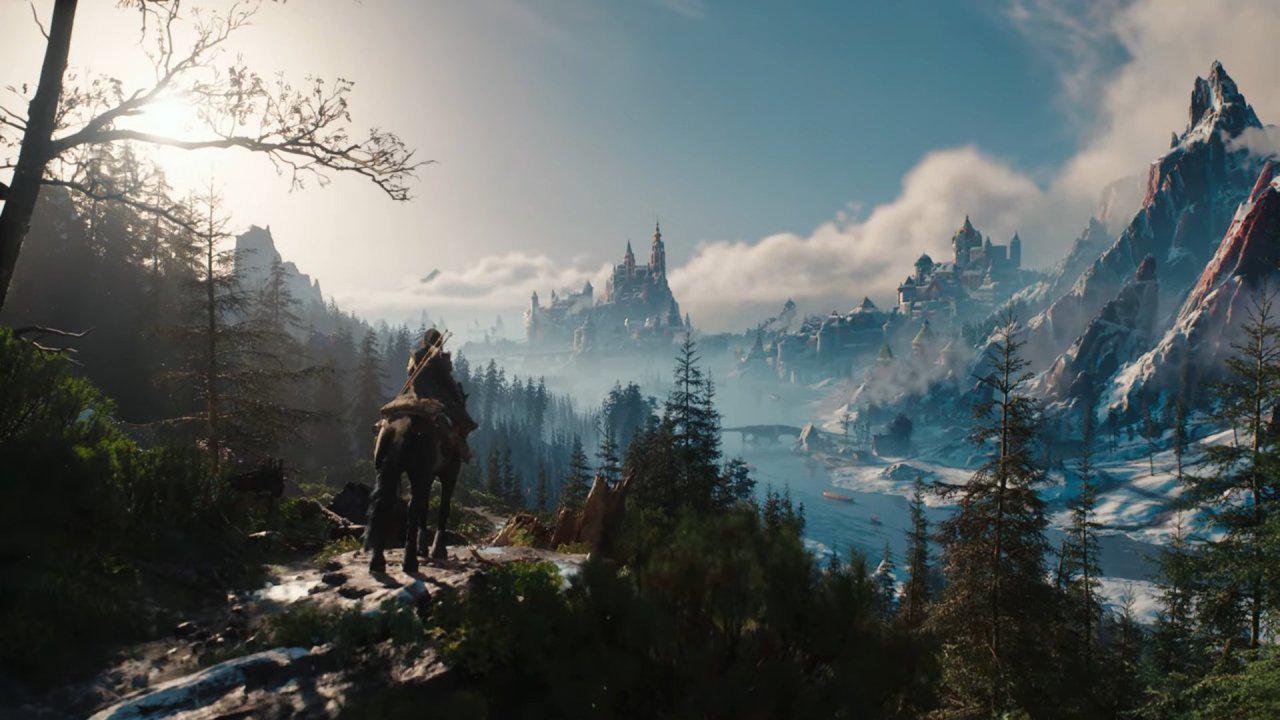
Despite that, the games have fully embraced it.
And at this point, the system is deeply embedded in gameplay, world-building, and player expectations. You’re not just getting lore in the background—you’re getting mechanics tied directly to it, including character builds and faction identity systems.
That’s also where future projects come in. You’re likely to see the concept continue into the upcoming multiplayer Witcher project from The Molasses Flood, where creating your own Witcher character could involve choosing a school and defining your playstyle from it.
Even the broader Witcher universe, including remakes and future expansions, is expected to keep that system intact because it has become a defining feature of the games, even if it wasn’t originally intended that way in the source material.
There is also a new addition being discussed in relation to The Witcher 4 itself: a new Witcher school that is expected to play a role in the story and marketing direction moving forward. That continues the trend of expanding the lore further from its original literary roots into something more structured and game-driven.
So what you’re really seeing across all of this is a studio trying to balance three things at once: a firm stance on keeping humans at the center of development, a narrative direction that leans into flawed and emotionally heavy storytelling, and a franchise universe that keeps expanding beyond what its original creator initially envisioned. And as development continues, that combination is shaping up to define not just how The Witcher 4 plays but how it feels—grounded, consequence-driven, and still very much built by people rather than systems.
Senior Editor, NoobFeed
Related News
No Data.