
Fatekeeper Arrives on Steam and Quickly Becomes One of the Most Talked-About Indie RPGs
The first-person fantasy RPG is winning over players with its combat, exploration, and surprising amount of content at a budget-friendly price.
News by Tahmid Mahi on Jun 04, 2026
Fatekeeper is finally available on Steam, and its launch has been much quicker than many players expected. The game was revealed, received a handful of trailers and gameplay showcases, and then arrived not long afterward. Now that players can access it, the conversation surrounding the fantasy RPG has changed dramatically.
Not long ago, players mostly mentioned Fatekeeper when they searched for a game similar to Dark Messiah of Might and Magic. Today, it is building a growing player base, collecting reviews, and developing a community around its unique gameplay style. The early response suggests there is still strong demand for first-person fantasy action RPGs.
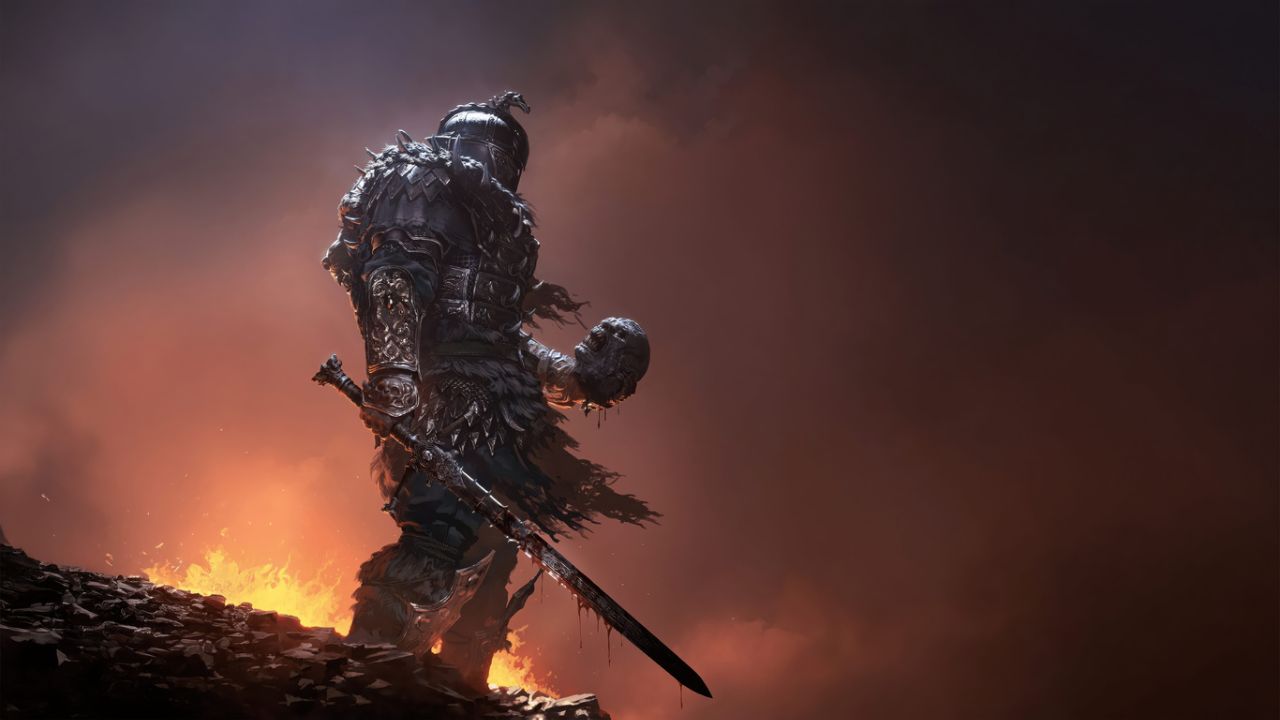
One of the first things you may notice about Fatekeeper is that it does not feel like a modern AAA release, and that is meant as praise.
Many fantasy RPGs today focus on massive open worlds packed with icons and objectives or systems that spend more time teaching mechanics than encouraging adventure. Fatekeeper instead embraces a more traditional approach. Exploration, combat, and discovery remain at the center of the experience. The comparisons to Dark Messiah have followed the game since its original reveal, and those discussions have only become more common now that players can finally experience it themselves.
The first-person melee combat, environmental interactions, and combination of weapons and magic immediately remind many players of that classic RPG. Moving through dangerous fantasy locations also creates a similar feeling. The game adds its own progression systems and gameplay mechanics rather than simply repeating what came before. The result seems familiar without being a copy of something from the past.
Longtime RPG fans can recognize the inspiration, but the experience still feels fresh. That balance has become one of the game's biggest strengths. Combat has quickly become one of the most talked-about aspects of the game. In every fight, you need to focus—balancing offense, defense, movement, magic, and positioning.
Some players are already trying out spell-focused builds, while others are fully committed to traditional melee combat. And that flexibility applies to the progression system, too. For an early access release, the skill tree is quite expansive and provides a few options to develop a character. You can specialize in spellcasting, survivability, weapon mastery, or hybrids that combine several disciplines.
There’s already enough variety for different playstyles. The developers have also confirmed that the progression system will continue expanding throughout the early access period. What players see today is only the beginning of what the final game could become. Over time, we expect to balance more skills, updates, and new options.
The game's world has received just as much praise as its combat systems.
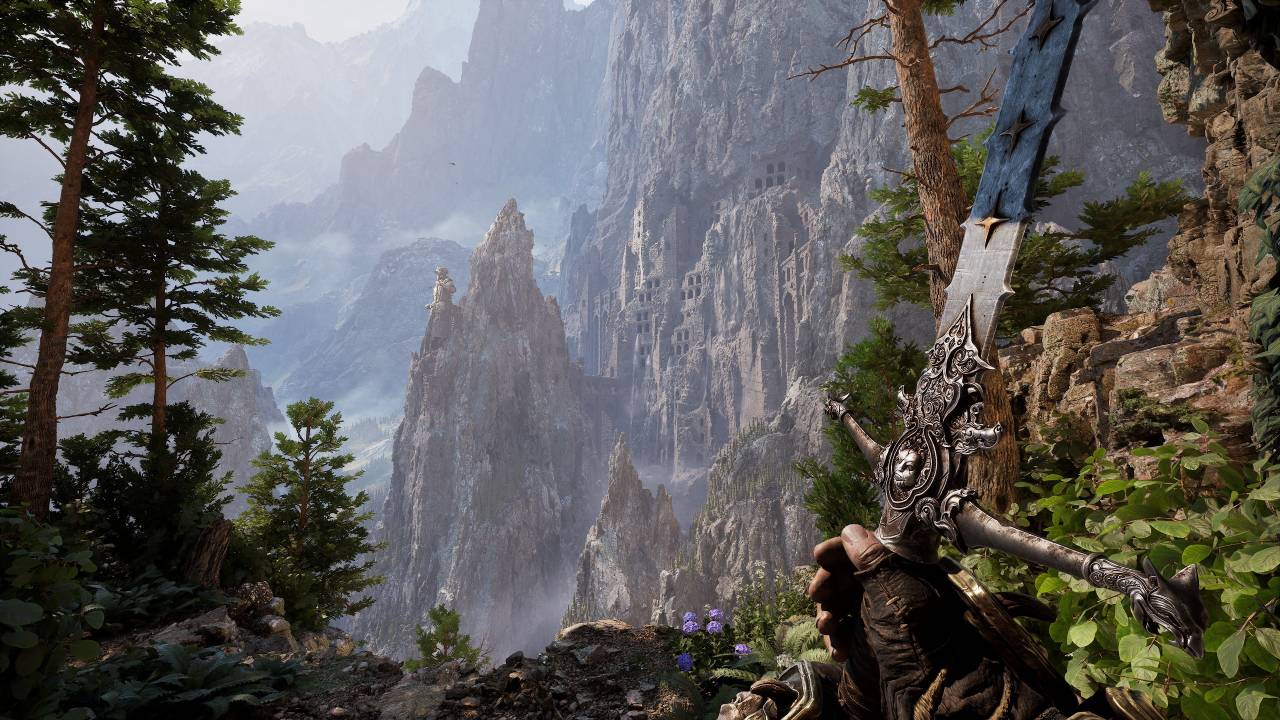
Considering that a team of only 13 developers created Fatekeeper, many players have been surprised by the visual quality on display. Castles, forests, ruins, crypts, and underground locations all feature a strong sense of atmosphere. The environments consistently encourage exploration. You are rewarded for taking your time rather than rushing from one objective to the next. The world scatters hidden paths, secret locations, lore discoveries, and useful items throughout.
Most of the time, exploration seems worth it because there is something to find. That design philosophy helps make the world feel more alive. Keeping the setting itself interesting is also important for keeping players engaged. Fatekeeper takes place in a world that seems both beautiful and scarred by the past. The environments suggest a civilization that went through some kind of collapse, leaving behind mysteries for players to discover.
The game doesn’t just explain everything at once; it makes you curious to explore. Another memorable aspect of the experience is thanks to the game’s unusual companion character. The adventure takes the player on a journey with a talking rat, whose interactions with the protagonist add personality to the story. They make for some amusing moments without ruining the game's darker fantasy setting.
It also helps Fatekeeper stand out from many other RPGs on the market today. Initial community feedback has been largely positive. Reviews on Steam often mention the game’s graphics, atmosphere, leveling systems, and overall value. Many players have said the experience already feels more complete than they expected for early access. Others have pointed to combat and immersion as big strengths.
At the same time, players provide feedback on what they should improve. In discussions, people have mentioned balancing, controller support, sound mixing, and certain combat mechanics. That kind of feedback is exactly what early access collects. It gives developers a clearer picture of what players want to see improved.
One of the biggest reasons Fatekeeper is attracting attention right now is its price.
At a time when game prices continue rising across the industry, many players have been surprised by how affordable it is. Reviews regularly mention that the game offers significantly more value than its asking price might suggest. That affordability makes it easier for newcomers to invest in the project. The launch also represents a milestone for the development team.
For any studio, creating a first-person fantasy RPG with combat systems, progression mechanics, world design, voice acting, visual effects, and narrative content is a giant undertaking. The project's release is all the more impressive given that only 13 developers did so. What probably excites players the most is the future of Fatekeeper. The developers have said early access is just the start of the game’s journey.
Future updates will include more content, more expansive progression systems, balancing updates, and more features. Players are investing in a project they expect to continue growing over time. What makes that especially encouraging is that Fatekeeper already succeeds where many RPGs struggle. Instead of leaving players uncertain about the future, it leaves them wanting more. Many are finishing their first several hours and imagining what the game could become after another year of development.
That is often one of the strongest compliments an early access game can receive. The first-person fantasy RPG genre has been relatively quiet for years. While there have been plenty of fantasy games and action RPGs, very few projects have attempted to combine first-person immersion, physical melee combat, exploration, magic, and old-school progression systems in quite this way. Fatekeeper is stepping into a space that many developers have overlooked.
The launch response suggests there are plenty of players eager for exactly that type of experience. The fact that it did well early on suggests that there’s more interest in classic-style first-person fantasy RPGs than some might have thought. Whether Fatekeeper will eventually become one of the genre's major success stories remains to be seen.
What is already clear, however, is that the game has generated real excitement around a brand-new fantasy RPG IP created by a small, independent team. That alone is impressive. In today's competitive gaming market, that is not an easy achievement. If the developers continue improving and expanding the game throughout early access, Fatekeeper may become one of those RPGs that players continue recommending for years to come.
Editor, NoobFeed
Related News
No Data.