
AMD Zen 6 Ryzen Benchmarks Leak Shows Up to 35% Performance Gain Over Zen 5
Early AMD Zen 6 Ryzen benchmarks indicate substantial gains in single-core, multi-core, and overall processor efficiency.
Hardware by Masaru Hoshino on Jul 21, 2026
The hype for AMD's upcoming Zen 6 architecture is already building, with early engineering sample benchmarks appearing online. Previous leaks left a couple of questions open, but new results suggest that AMD's next-gen Ryzen mobile chips could bring significant gains in both single-core and multi-core performance.
If these early numbers are representative of the final products, Zen 6 may become one of AMD's biggest architectural upgrades in recent years.
Earlier Zen 6 Leak Raised More Questions Than Answers
Around 10days ago, an early benchmark of an AMD Medusa Point processor appeared online. The processor featured a 10-core configuration, and while the benchmark itself looked good, some things immediately looked odd. In the single-core test of Geekbench 6, the processor scored about 3,200 points, while in the multi-core test the result was over 15,000 points. Those numbers seemed respectable, but the reported clock frequency was only about 2 GHz.
Looking through the Geekbench listing revealed the same unusually low operating frequency, which naturally raised doubts about the benchmark. The reported L3 cache configuration also appeared somewhat questionable, making it difficult to determine exactly how representative the engineering sample was. Since these were leaked results, speculation was unavoidable.
A New Benchmark Tells a Very Different Story
A newer benchmark has now emerged, and the picture looks considerably more promising. The latest engineering sample reportedly outperforms a comparable 10-core Zen 5 processor by nearly 35%, making it one of the most interesting Zen 6 leaks so far.
Unlike the previous benchmark, this processor boosts to 5.4 GHz. The architecture still combines traditional Zen 6 cores with Zen 6C cores, which makes interpreting clock speeds slightly more complicated, but the benchmark itself appears much more believable.
The processor delivers approximately 3,300 Geekbench single-core points and around 16,500 in multi-core testing. Although some uncertainty remains regarding the cache configuration, the much higher operating frequencies make this benchmark appear significantly more realistic than the earlier leak.
Comparing Medusa Point Against Zen 5
When the two engineering samples are compared directly, the newer benchmark improves single-core performance slightly while adding roughly 1,500 points to the multi-core score. Looking beyond those two samples, comparisons with existing Zen 5 mobile processors become even more interesting.
AMD's Ryzen AI 9 365, for example, features 4 p-cores alongside six efficient cores and boosts up to 5 GHz. Geekbench results show several cores operating between 5.2 GHz and 5.3 GHz, placing the new Zen 6 engineering sample in familiar territory despite it still being under development.
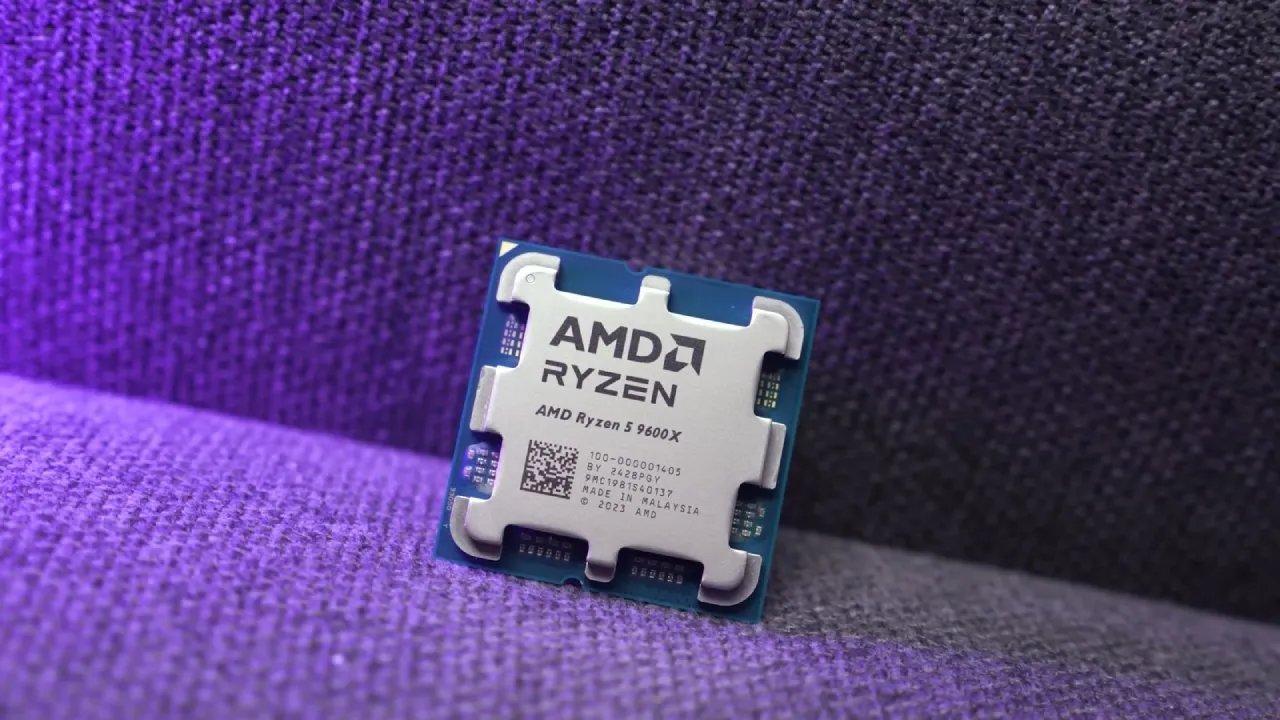
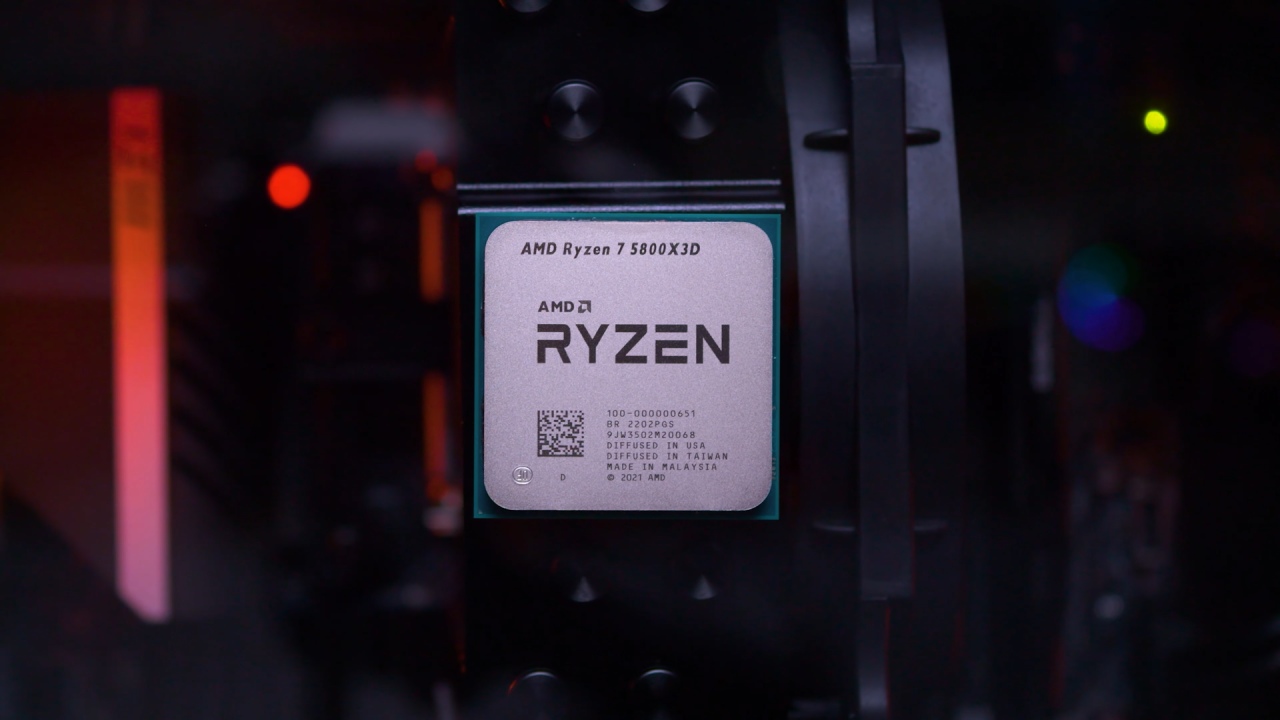
Desktop comparisons are naturally more complicated because processors such as the Ryzen 7 9800X3D have different core counts and configurations. Even so, the leaked Zen 6 engineering sample is already delivering single-core performance that is remarkably close to that of processors like the 9800X3D and Ryzen 5 9600X. That is particularly impressive considering these are not retail processors.
Engineering Samples Still Have Room to Improve
As encouraging as these numbers appear, it is important to remember that these remain engineering samples. Assuming the benchmark results are genuine, AMD has likely begun distributing early processors to hardware partners. That still leaves several unknowns.
Final retail clock speeds have not yet been confirmed. Power limits may change before launch, BIOS optimization continues throughout development, and memory controller tuning is rarely complete this early in the product cycle. Unless there are major underlying issues, there is still every possibility that retail processors will perform even better.
Desktop Clock Speeds Could Climb Even Higher
One of the biggest questions surrounding Zen 6 desktop processors is just how high AMD can push clock frequencies. Numerous rumors suggest frequencies between 6.2GHz and 6.5GHz, while some reports have even mentioned7GHz. That figure still appears optimistic for retail products. Under highly controlled laboratory conditions, the very best silicon might reach 7 GHz.
However, expecting every retail processor to achieve those frequencies seems unrealistic. More conservative expectations place retail processors somewhere in the low6GHz range.
With Precision Boost Overdrive and favorable operating conditions, frequencies around 6GHz, 6.1GHz, or 6.2GHz appear entirely achievable. There have been suggestions of slightly higher numbers from some sources, but it's wise to remain a little cautious until the official specs arrive.
Zen 6 Offers More Than Just Higher Clock Speeds
Raw frequency is merely one side of the performance coin. Zen 6 does introduce new instructions that should improve some Geekbench workloads, but not all benchmarks will benefit equally. The first signs indicate that typical IPC gains will be on the order of 10%, but, of course, real-world improvements will vary depending on the application being evaluated.
Gaming could also see some big enhancements. Zen 6 increases the number of cores per CCD, which in turn allows for larger L3 cache capacities. This means future X3D processors could have more cache than previous generations, which could yield significant benefits in games that scale with larger cache sizes.
We'll also be looking at how memory performs. Zen 6 could be especially fascinating once the retail hardware is ready. Faster memory speeds and lower latency could further enhance gaming performance.
Existing Zen 5 Owners May Not Need to Upgrade Immediately
Initial results look good, but not every single current Ryzen owner will notice substantial gains. If you are already running a Zen 5 X3D processor with a GeForce RTX 4090 or RTX 5090 and gaming heavily ray-traced single-player games at 4K resolution, you will probably be GPU-limited most of the time. In that case, a simple processor upgrade may not offer much gaming improvement.
However, Zen 6 could bring a big improvement to CPU-heavy games and substantially multi-threaded tasks. The next generation architecture could be particularly attractive to power users, content creators, and gamers who often play CPU-bound titles.
Early Signs Point Toward Another Strong AMD Generation
These benchmarks are done on engineering samples, not final retail hardware, but the general direction looks very promising. The combination of approximately 35% higher multi-core performance, potentially 10% IPC improvements, increased core density per CCD, and higher clock frequencies suggests Zen 6 could represent one of AMD's most significant processor launches in years.
Final retail specifications will ultimately determine how much of the performance reaches consumers. But if these early leaks are correct, Zen 6 is already shaping up to be a very compelling successor to Zen 5.
Editor, NoobFeed
Gaming Hardware Updates
No Data.