
Hyrule Warriors: Age of Imprisonment is Winning Without Changing the Scoreboard
Technical upgrades, story depth, and gameplay evolution quietly redefine quality while critics focus on a single digit.
News by Zahra Morshed on Feb 12, 2026
Hyrule Warriors: Age of Imprisonment may be the one case study that goes against the idea that quality is going down. The conversation points to standstill. The facts point to improvement. The difference between these two views is what makes this story much more interesting than a number on a site that collects them.
The background is important to understand the argument. Nintendo and Koei Tecmo worked together to make Hyrule Warriors Age of Calamity, which came out in 2020 and is a prequel to The Legend of Zelda Breath of the Wild. On Nintendo Switch, it got a score of 78. It got a lot of praise for its cast of characters and emotional stories, but performance instability quickly became a part of the negative storyline.
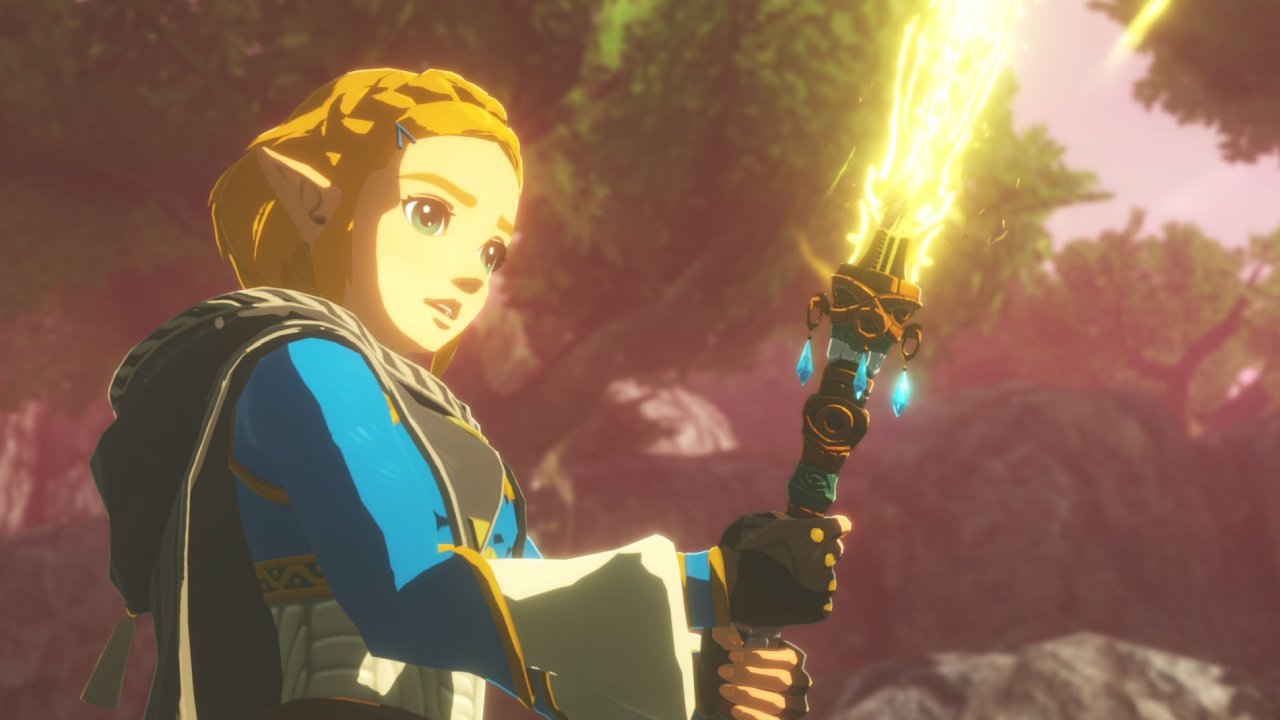
Age of Calamity was supposed to have 30 frames per second, but it often dropped below that during big battles.
Frame rates dropped into the low 20s and even the teens in split screen situations, according to some other news sources. In a genre where speed and accurate crowd control are key, these changes had a direct effect on how the game felt. The review scores showed that there was friction.
Now fast forward five years. The basic specs for Hyrule Warriors Age of Imprisonment are very different. The sequel fixes the most common complaint about the first one by aiming for 60 frames per second and apparently keeping that speed much more consistently. Fighting goes on. Combo chains make it easy to join. Battles on a large scale feel planned instead of random.
Still, the overall score increase is only a single point. That small gain has made people doubt how key metrics weigh technical rehabilitation against familiarity with the material. Most people think that there will be a bigger difference in scores once the biggest mistake in the previous post is fixed. Not all of the data fits with that assumption.
Canon positioning makes the two names even more different.
Age of Calamity showed how events in Breath of the Wild could have happened in a different era. In the bigger Zelda lore, Age of Imprisonment is seen as an official story addition. For fans of a series, canon legitimacy is very important to them emotionally. It changes the experience from a side project to an important part of the story.
The sequel adds more ways to fight, like better fusion skills and better ways for playable characters to work together. Scaling the level of difficulty promotes strategic dodging, managing your abilities, and being aware of your surroundings beyond just pressing buttons. At higher levels of difficulty, mechanical subtlety takes the place of repetition. In surface-level review summaries, that level of skill isn't always given enough attention.
The content richness is also still strong. The game comes with a lot of content, including story tasks, side goals, and multiple playable characters. Even though monetized expansions and content drops at different times are common these days, a feature full release still shows that the designers were thinking about how the game should be made.
That choice boosts the value of the brand, but it doesn't immediately make review averages go up.
It's possible that the tension comes from changing standards. In 2020, Age of Calamity did well because it was a first game to combine Zelda storylines with Musou scale spectacles. By 2025, everyone knows the method. Critics often give more praise to innovation than to repetition. When fundamental problems are fixed through iteration, the lack of surprise can dampen excitement.
There is also the larger change in the mindset of scoring. A seventy eight in 2010 does not necessarily mean the same thing as a seventy eight in 2026. Pools of reviewers change. There are stricter technical rules. As hardware gets better, comparative scores get bigger. Overall numbers don't change people's minds, but the business world is always changing.
The daily experience of performance makes the story of quality decline more complicated. When the frame rate stays at 60 frames per second, it changes how quickly inputs are handled, how smoothly animations run, and how sure of themselves players are. For action-driven design, that change is more than just a matter of style. It's getting stronger. It changes how we talk to each other every second.
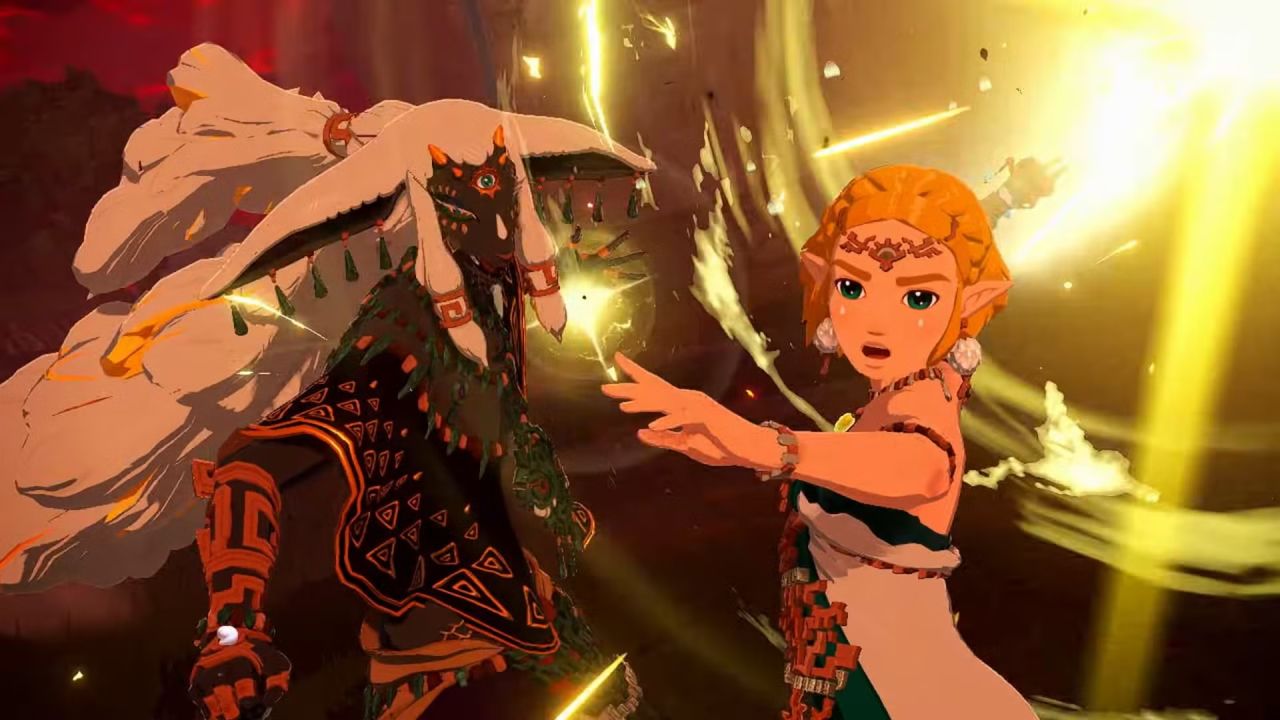
Hyrule Warriors: Age of Imprisonment seems to be a clear step forward in terms of technical quality, story integration, and gameplay growth compared to its predecessor. Systemic erosion can't be the only result if the critical average only goes up slightly. Instead, it might be a sign of how familiarity with well-known methods can lead to less and less benefit.
The main point raises questions about how easy review math is. When a sequel fixes the most well-known flaw in its predecessor and improves its system design, the discussion should be more complex than a one-point delta. Metrics tell you. They don't give off enough light.
The question that really needs to be asked is not why the score is in the high seventies. The puzzle is why growth that can be measured can seem statistically invisible. The real story is slowly playing out in that space between how things are seen and how they are done.
Contributor, NoobFeed
Related News
No Data.