
Ill’s Next Summer Game Fest Showing Matters More as Players Still Don’t Know How It Works
The upcoming showcase could finally reveal how the game’s cinematic horror systems work across a full experience rather than short gameplay clips.
News by Tahmid Mahi on May 12, 2026
Ill has reached a point that most horror games never even make it to. You have already seen it publicly revealed, shown during a major showcase, and discussed across gaming communities because its gameplay footage looked so convincing. After appearing at Summer Game Fest last year, the project immediately stopped feeling like another early horror concept.
The reaction around the game grew fast, mostly because the footage looked almost too incredible to believe. That alone pushed Ill into a different category compared to most upcoming horror releases. You could immediately tell the film wasn't being treated like a small indie horror project chasing trends.
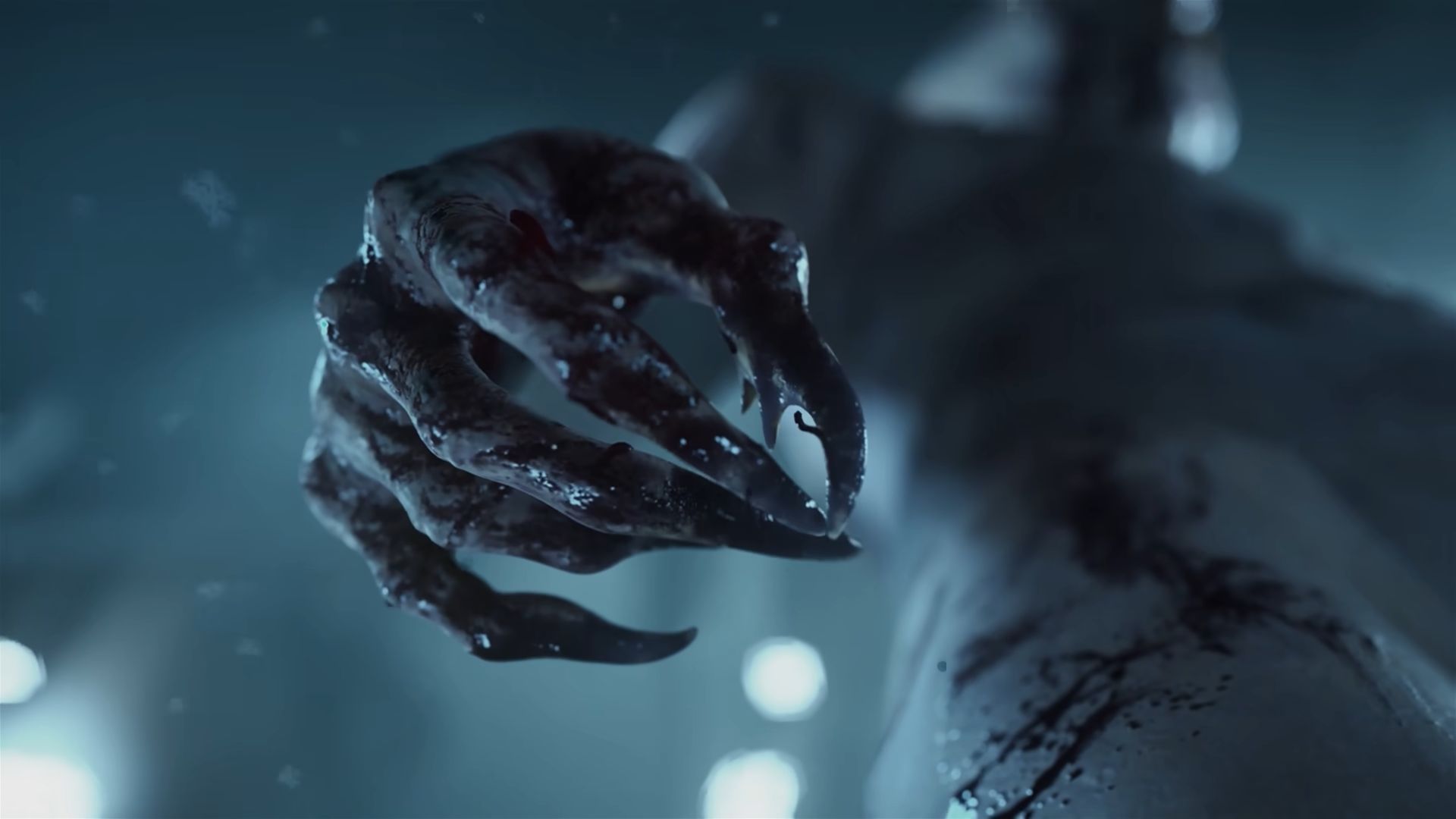
Since then, Team Clout's developers have kept updates relatively controlled.
Instead of constantly releasing gameplay clips, the studio has mostly shared behind-the-scenes material and development-focused insights. That slower approach has only increased curiosity around the game because people already understand the tone Ill is going for. What still feels unclear is how all of its systems actually connect during extended gameplay.
That is why this year’s Summer Game Fest feels important for the project. If Ill appears again, it will not be treated like a first reveal anymore. Instead, you will probably see it judged as a progress update. The focus now shifts toward how far development has actually moved since that original showcase and whether the game can prove its ideas work beyond isolated scenes.
What immediately stood out about Ill during its reveal was not just the visuals or the creature design. The game clearly focused on physical horror presentation. Almost everything shown relied on movement, animation weight, and first-person immersion rather than scripted jump scares or cinematic interruptions. Even in its early stages, the project's identity already felt clear.
The game is built around performance-driven horror, where scenes are designed to feel physically present while still staying interactive. This gives it a more immersive, grounded feel compared to traditional scripted horror games. That approach becomes even more noticeable once you look at the team behind the project.
A large part of the studio comes from film and television horror production backgrounds, including work connected to Until Dawn and Welcome to Derry. You can see those influences directly in how Ill handles pacing, creature staging, and scene construction. Instead of designing encounters like traditional game combat arenas, the developers appear to think in terms of sequences and physical presence.
Creatures are framed almost like performances rather than gameplay obstacles.
That is one of the biggest reasons the animation quality stands out so much in the footage released so far. The movement does not simply look functional. It looks directed. That same philosophy also affects the way Ill handles storytelling. Most modern horror games separate gameplay and cutscenes, constantly taking control away from the player to deliver cinematic moments.
Ill seem to avoid that whenever possible. Events unfold inside the same first-person perspective without repeatedly cutting away from gameplay. That design choice also explains why development likely takes longer than expected. Every sequence has to remain playable while still looking visually direct. Maintaining that level of continuity adds complexity because the game cannot rely on quick cinematic shortcuts to transition between gameplay and narrative moments.
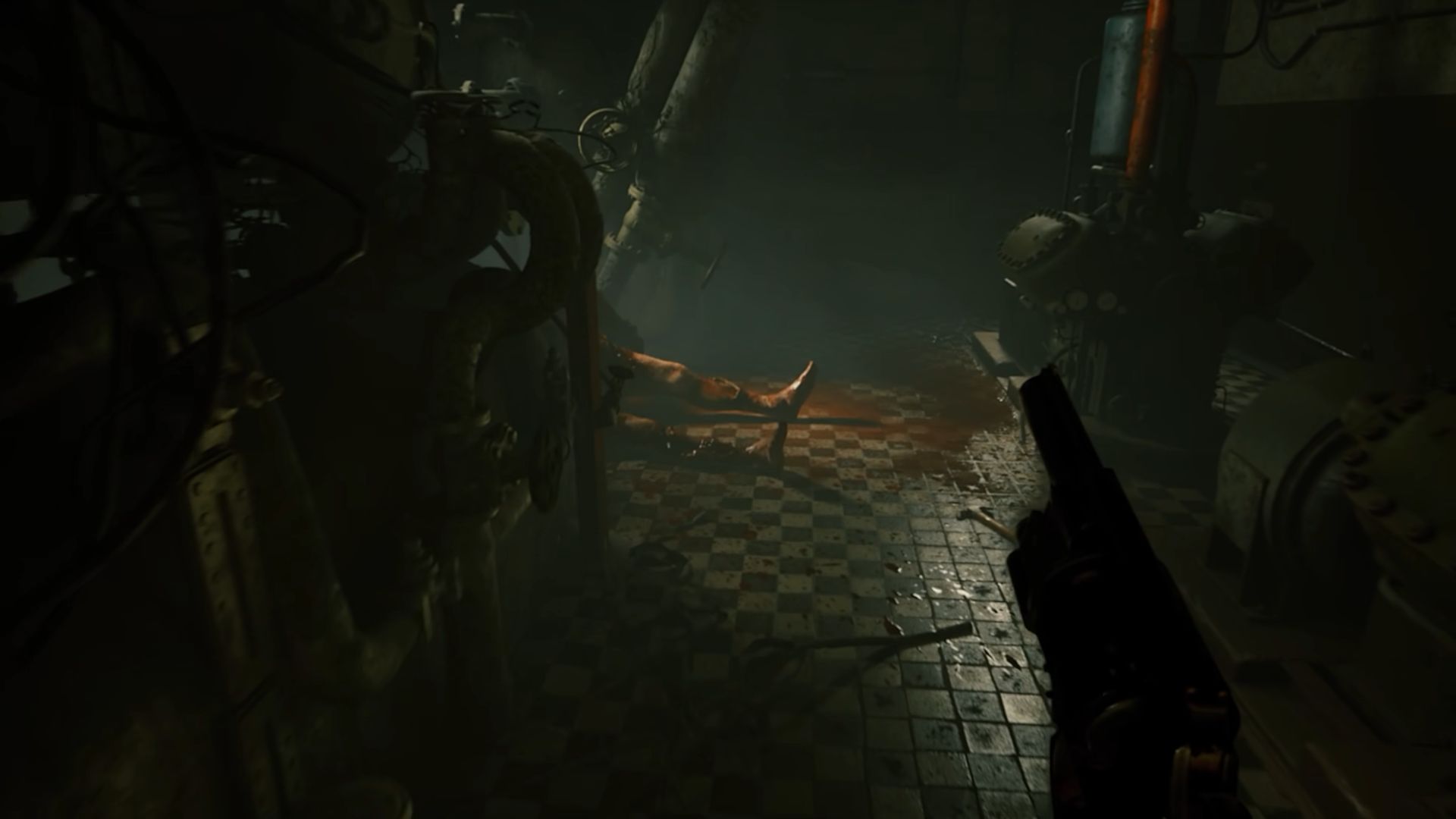
On the gameplay side, Ill still look like a survival horror game at its core, but it leans heavily into physical interaction and environmental pressure. Weapon upgrades, inventory, movement stamina, and resource management all appear to be major progression systems. Combat also feels intentionally slower and heavier than in faster action-horror games.
The structure has some clear similarities to Resident Evil 4, especially in how tension is tied to resources and progression. But Ill appears to lean more toward random encounters instead of tight combat loops. Enemies react dynamically to damage, and different types of injury affect their behavior differently.
That creates encounters that feel unstable rather than scripted.
Instead of fighting enemies that operate through obvious gameplay rules, you are dealing with creatures that react physically inside the environment. Everything in the game appears to be built around motion, reactions, and physical space rather than abstract gameplay systems running in the background.
Technically, the game is powered by Unreal Engine 5 and uses features such as Lumen lighting, Nanite geometry, and ray tracing to maintain environmental consistency. The goal does not seem limited to visual detail alone. The developers appear focused on maintaining atmosphere across different lighting conditions and spaces, so the horror tone stays intact regardless of where you are in the game.
Another major part of Ill’s growth comes from its partnership with Mundfish, the studio behind Atomic Heart. After Atomic Heart gained worldwide attention, Mundfish positioned itself to support projects with larger creative ambitions. In Ill’s case, that support reportedly focuses more on technical infrastructure and production scaling rather than on creative changes to the game.
That matters because Ill clearly is not trying to fit into a traditional mass-market horror formula. The project depends heavily on tone, pacing, and animation detail. Having outside support without losing that direction allows the game to keep its identity while still growing into a larger production.
Currently, Ill sits in a very specific position within the horror genre.
It already has recognition, technical ambition, and a strong visual identity. What it still has not fully shown is how all of those ideas hold together across a complete experience lasting multiple hours. That remains the biggest gap between the game’s current reputation and what players are waiting to see next.
This year’s Summer GameFest is unlikely to be redefined. It'll be the same way last year’s reveal did, but it could finally show how much progress we have actually made underneath the surface. The next showcase needs to provide more than an impressive trailer. It needs to show how exploration, combat, cinematic direction, and environmental interaction work together over time.
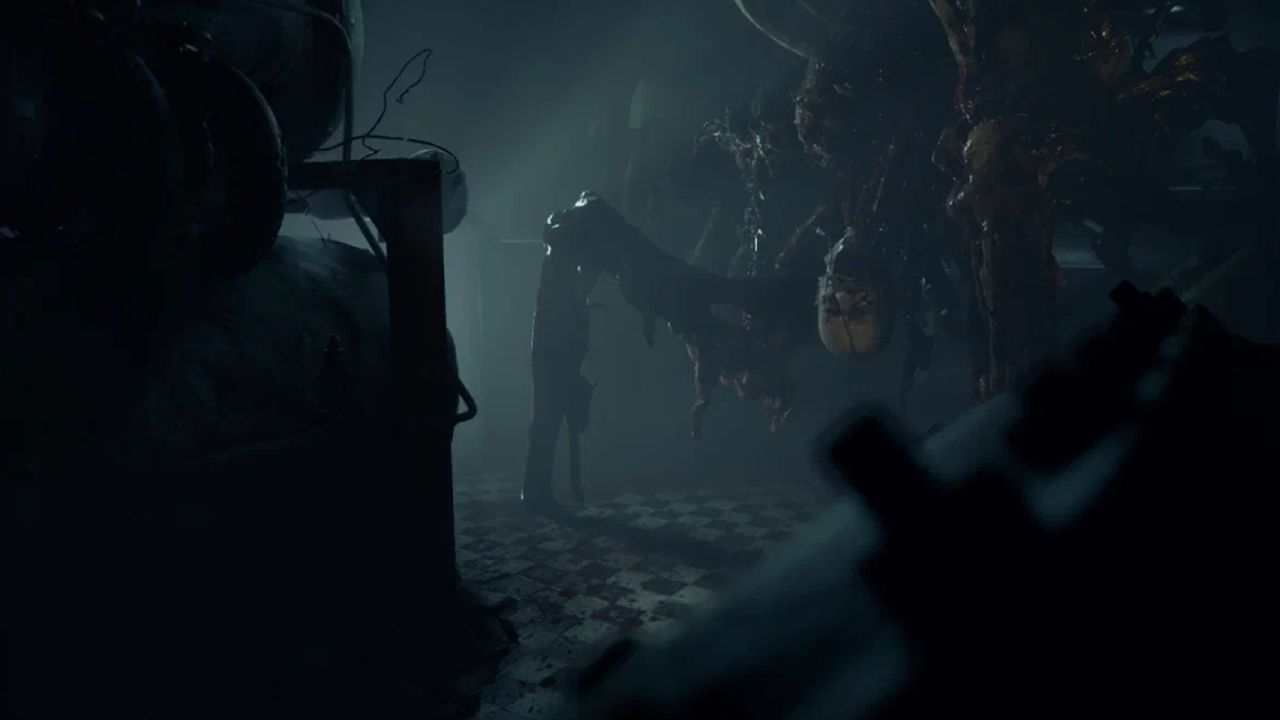
That next phase is usually the most decisive moment for horror games built around strong presentation. One trailer can easily create excitement, but maintaining attention depends on whether the systems underneath that presentation can support a full experience. Ill faces even more pressure because its identity is so specific.
Everything shown so far points toward a game built around performance-driven horror. Motion-captured creature animation, uninterrupted first-person immersion, and physically oppressive environments are all central to its design philosophy. The developers also do not seem focused on traditional enemy design.
That approach is precisely what makes Ill stand out, but it also creates challenges. Keeping the player immersed at all times means every scene must serve as gameplay, storytelling, and visual direction simultaneously. That level of coordination is difficult to maintain across an entire game, especially one built around cinematic horror.
Even so, everything surrounding the project suggests that far more structure lies beneath the surface than has been publicly revealed. Ill no longer feel like a proof-of-concept horror project trying to get attention. It now feels like a game entering the stage where it has to prove consistency and show how all of its ideas work together as a complete experience.
If the next showcase delivers that deeper look, Ill could move beyond being known as the horror game with unbelievable footage and start being recognized as one of the more ambitious survival horror projects currently in development.
Editor, NoobFeed
Related News
No Data.