
Metroid Prime 4’s Slow Sales Forcing Nintendo to Rethink the Series’ Strategy
The latest sales data suggests Metroid Prime 4 struggled to maintain momentum, but Nintendo may already be planning how to keep the series alive.
News by Asura Kagawa on May 11, 2026
Following Nintendo’s latest financial results, Metroid Prime 4’s future is a hot topic, and the overall picture is not as rosy as many fans had hoped. While the game did manage to sell over one million copies across both the Nintendo Switch and Switch 2 versions combined, the latest sales data suggests momentum slowed considerably after launch.
Earlier this year, fans noticed that Metroid Prime 4 was missing from Nintendo’s official million-seller list for the quarter ending December 31, 2025. That immediately sparked speculation that the game sold fewer than one million copies. Later, journalist Stephen Totilo shared that Nintendo confirmed combined sales between both versions had passed the million mark.
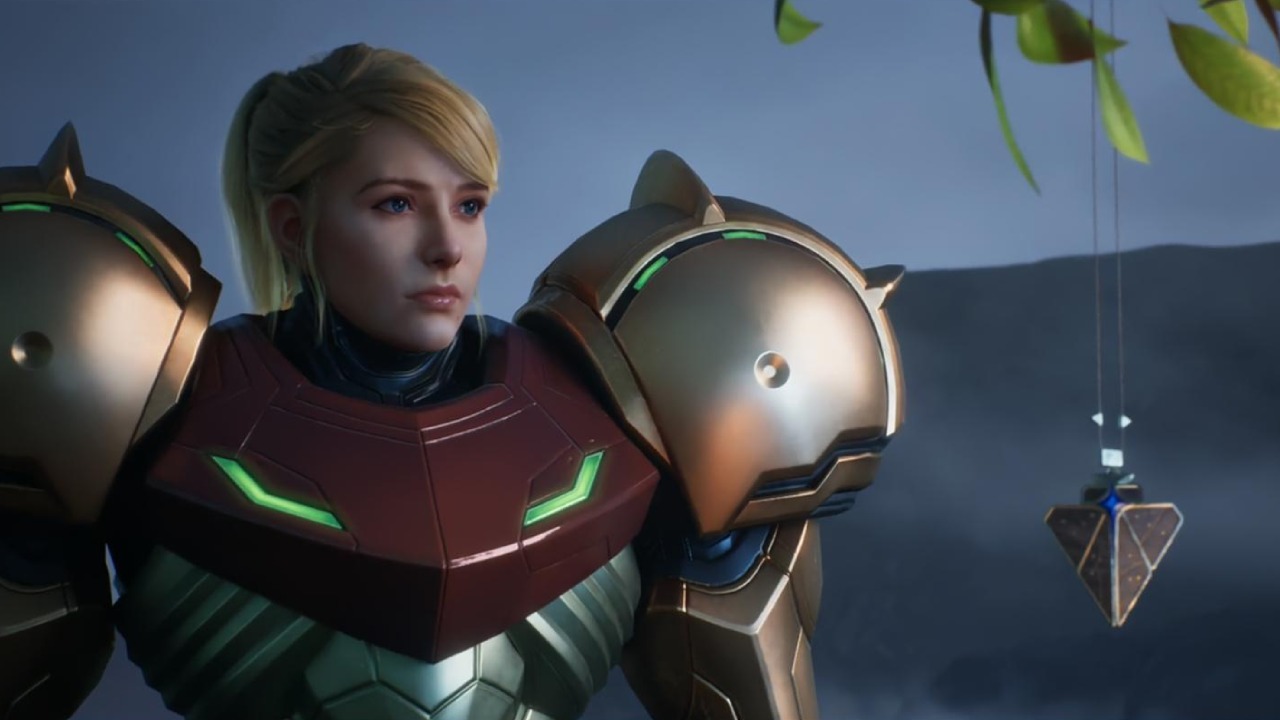
At the time, many expected the full fiscal year report to show stronger results.
The assumption was that at least one version of the game would eventually pass one million units on its own after a few more months on the market. However, Nintendo’s updated financial data listed both versions as below a million in sales, strongly suggesting that both sold less than a million.
There have also been reports of price drops appearing fairly quickly at different retailers, something many fans interpret as a sign that the game struggled to maintain sales momentum after launch. While selling over one million copies is still impressive compared to most games in the industry, the problem is that Metroid Prime 4 was not a small project.
Nintendo spent years developing the game through Retro Studios, and it became one of the company’s most ambitious releases recently. Between the long development cycle, the technical ambitions, the visual presentation, and the overall scale of the project, many believe the game was one of Nintendo’s most expensive productions.
That does not necessarily mean the game failed to benefit Nintendo in other ways. Metroid Prime 4 was also a demo for the Switch 2 hardware, showing off what the system can do visually. It was for a different audience than Nintendo’s more traditional, family-oriented titles and could bring in new players to the ecosystem.
Other revenue was probably from merchandise, amiibo sales, art books, and renewed interest in older Metroid games. But the general picture is impossible to miss. Even supporters of the game admit the results are disappointing, considering the level of investment involved. Therefore, a question arises whether Nintendo would apply this strategy in the future.
Part of the issue may have been the overall conversation surrounding the game before release. There was a noticeable amount of negativity online during previews and early discussions. While many criticisms were legitimate, the overall social media environment surrounding the game often leaned heavily toward negative reactions and headlines.
That kind of negativity can hurt a franchise like Metroid far more than it would affect something like Pokémon Scarlet and Violet.
Pokémon is already one of Nintendo’s largest and most established brands, capable of withstanding criticism without major commercial damage. Metroid is in an entirely unique position. The franchise is still trying to expand its audience, which means public perception matters much more.
The critical response also did not completely help the game recover. Many fans still enjoyed it, but the review scores landed lower than some expected. Supporters argued the game deserved better than the high-70s range it settled into on review sites, though even many defenders admitted it did not reach the same heights as the original Metroid Prime.
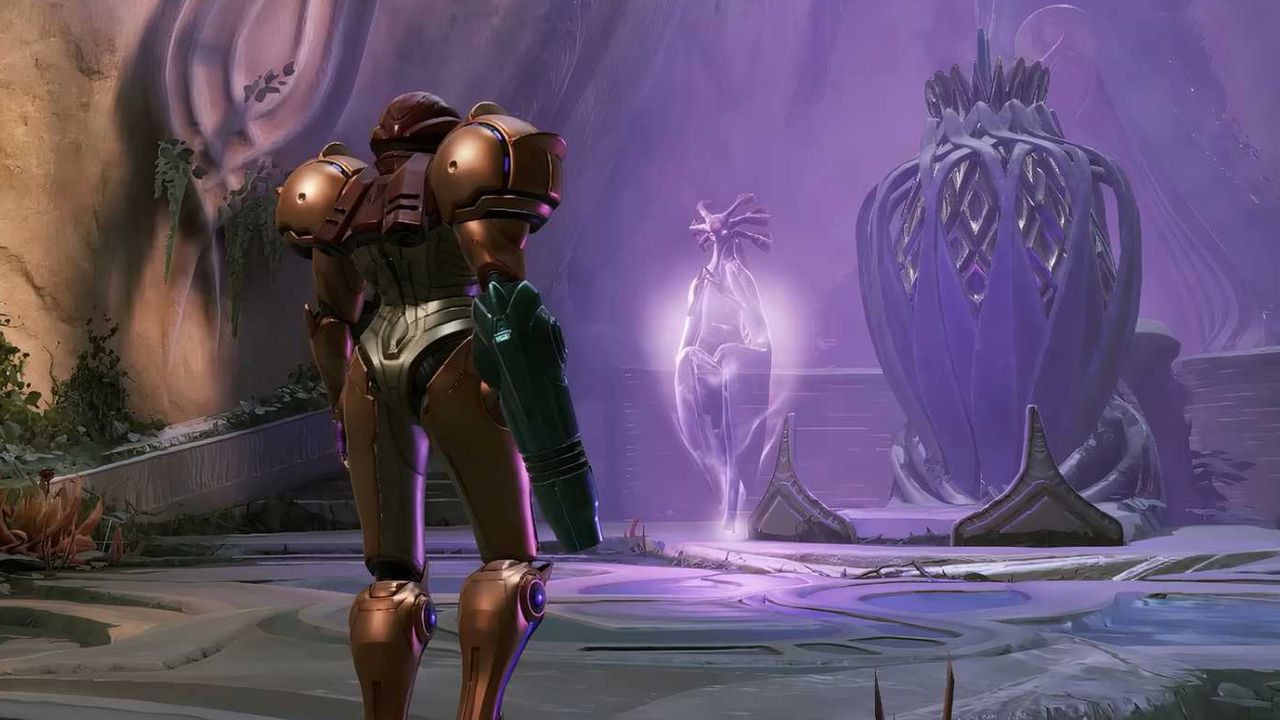
The result was a game many considered good, but not strong enough to completely shift the negative narrative surrounding it. Despite those concerns, many fans do not believe that Nintendo has finished with the Prime series. This leaves room for improvement in a potential follow-up that could better align with fan expectations.
In fact, several signs suggest that the company already has ideas for future installments. Producer Kensuke Tanabe included multiple story elements in Metroid Prime 4 that appear designed to leave room for more games, including unresolved plot points involving Silex and additional lore tied to teleporters spread across multiple planets and universes.
Those details strongly suggest Nintendo was thinking beyond a single game while developing Prime 4. However, there is still no official confirmation that Metroid Prime 5 is actually in development. Rumors continue to circulate, but there’s still uncertainty about what Nintendo ultimately decides to do next. The series continues largely because of consistency.
In fact, Nintendo has had a steadier schedule of Metroid releases over the past few years. Metroid Dread was released in 2021, Metroid Prime Remastered in 2023, and Metroid Prime 4 in late 2025. If Nintendo continues that pace and releases another Metroid title in 2027, the franchise would finally have a steady rhythm that it lacked for many years.
Interestingly, Metroid Dread became a much larger commercial success than many expected, selling over three million copies.
That showed Nintendo can absolutely grow the Metroid brand when the marketing and timing align properly. Meanwhile, Metroid Prime Remastered earned strong reviews and widespread praise but still sold only a little over 1 million copies. Some fans believe Nintendo hurt the game’s momentum by shadow-dropping it.
A similar criticism has now appeared around Metroid Prime 4. Nintendo did promote the game with trailers and gameplay showcases, but some fans feel the company never treated it like a major blockbuster release. Comparisons have been made to the way Nintendo recently handled franchises like Star Fox and Donkey Kong Banana.
That contrast has created bigger discussions about how Nintendo views Metroid internally. The 2D Metroid games appear much safer financially, as they are cheaper to make and continue to perform well both critically and commercially. The 3D Prime games are far pricier and riskier due to their larger scale of development.
Even so, many believe Nintendo would be making a mistake if it abandoned the Prime series now. Retro Studios has already spent years rebuilding the tools and technology needed to create these games. A follow-up would likely be cheaper, faster, and less risky than Prime 4 itself. Nintendo now also has clearer feedback on what players liked and disliked about the latest game.
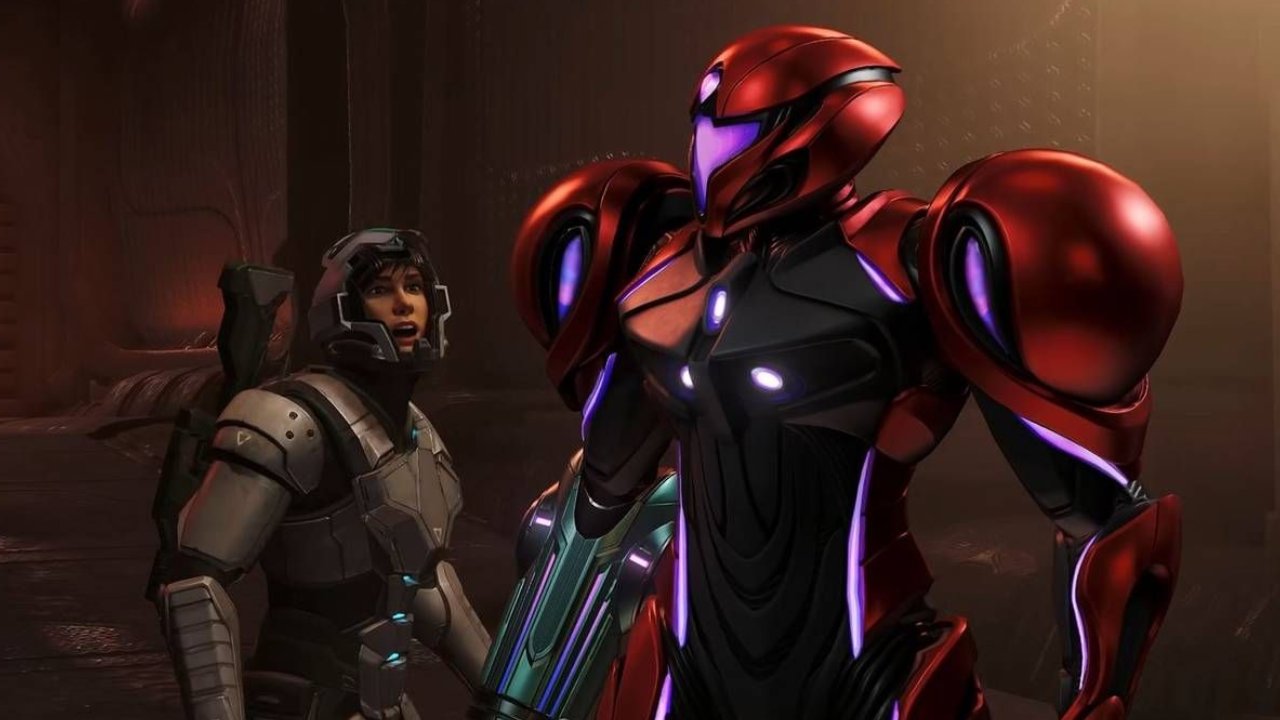
There are already clear suggestions about what a future sequel could improve.
Many fans want a more interconnected world design instead of larger, segmented areas. Others feel the series needs to cut back on tutorials and hand-holding, and that discovery and exploration are key to Metroid’s identity. The scanning system has also been a common complaint, with some players feeling it throws the pacing off too much.
Another major point concerns the franchise's tone. Many longtime fans believe Nintendo should fully embrace the darker side of Metroid instead of trying to make it feel more traditionally “Nintendo.” The series has always been heavily inspired by science-fiction horror, particularly films like Alien, and some of the most memorable moments in recent games leaned directly into suspense and fear.
That darker direction significantly contributed to Metroid Dread's success. The E.M.M.I. encounters created constant tension and gave the game a distinct identity within Nintendo’s lineup. Many fans now believe the Prime series should lean even further into those horror-inspired elements rather than pulling away from them. Nintendo now finds itself in a difficult position with the franchise.
The company clearly invested heavily in Metroid Prime 4, but the sales likely fell short of expectations. At the same time, abandoning the series entirely could erase years of effort spent rebuilding the brand's interest. The future of the Prime series is currently uncertain. However, the discussion has shifted away from whether Metroid matters and more toward how Nintendo can finally turn it into a consistently successful franchise moving forward.
Staff Writer, NoobFeed
Related News
No Data.