
Nintendo Faces Growing Backlash Over Switch 2 Pricing Strategy
Investors press Nintendo on rising hardware costs, future price hikes, and slowing Mario Kart World momentum amid concerns over the long-term affordability of the Switch 2.
News by Wasbir Sadat on May 15, 2026
Nintendo's president Shuntaro Furukawa warned in their latest investor Q&A that rising production costs, worldwide logistical problems, and shaky market conditions might continue to hit the console company for years to come. This has raised fresh concerns over the price of the Switch 2 down the line.
When Nintendo released the English translation of its investor session, a number of President Shuntaro Furukawa’s statements caught the attention of investors and fans. Many of the queries focused on Nintendo’s forecast of selling 16.5 million Switch 2 consoles through March 2027. However, the talk quickly shifted to the cost of the hardware and whether the company would ever raise prices again.
.jpg)
Nintendo said it had to make tough pricing decisions because the cost of parts, especially memory, was rising, and shipping costs were increasing due to changes in fuel prices and exchange rates. Furukawa says that Nintendo first considered other options, such as increasing output and keeping hardware prices the same. But the company decided that fully covering the rising costs would significantly hurt profits.
Furukawa emphasized that Nintendo’s recent price hikes are part of the rising costs the company is facing.
That statement soon sparked speculation that the price of Switch 2 could go up again down the line if the current economic climate remains the same. Nintendo also claimed it doesn’t expect these challenges to go away anytime soon. They continued to mention parts, transportation, and production issues in the near and long term, suggesting the current market conditions may persist for quite a while.
The Q&A with investors taught us one of the most crucial things to know about Nintendo: The company believes prices will keep rising. The business added that key factors that would impact the future of the Switch 2 included rising memory chip costs, volatile foreign exchange markets, and even rising gasoline prices.
Shipping costs were brought up as a major issue because, as fuel prices rise, the cost of delivering each console to stores around the world increases. Nintendo said that even the $50 price increase they just revealed in the US doesn't fully cover the rising costs of making and distributing their products.
That's bad news for people who were hoping that hardware prices would level off after launch. Instead, Nintendo seems to be preparing investors for the possibility that the Switch 2 might get more expensive over time, as the PlayStation 5 and Xbox Series X did during this system generation.
What's going on is especially tough for Nintendo because the company usually counts on a lot of installs to sell software. The first Nintendo Switch sold more than 155 million units around the world, making it one of the most popular game systems ever. It’ll be more difficult to restore that accomplishment if the Switch 2 continues to increase in price.
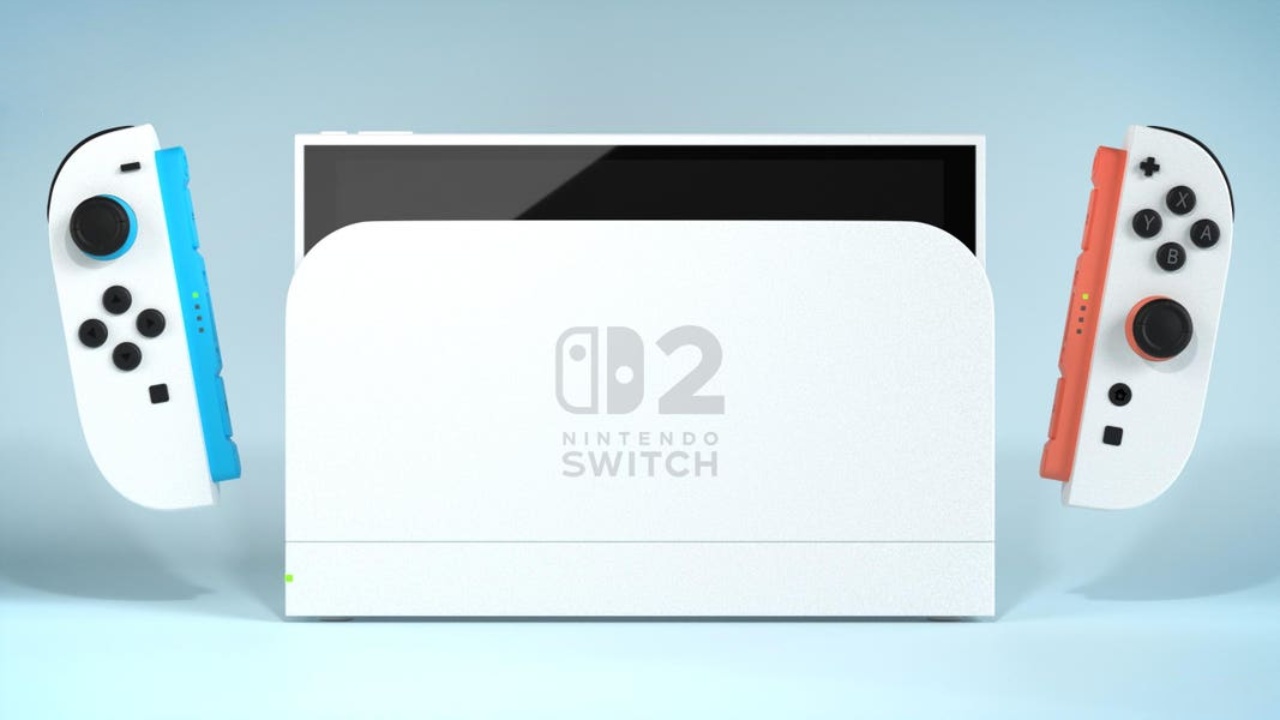
Nintendo execs said their long-term approach hasn't changed: First, they want to entice more people to buy hardware, then raise software sales with exclusive titles and one-of-a-kind experiences. But it may become increasingly difficult to reconcile that strategy with higher production costs. Investors in attendance also fretted over what the Switch 2 list could look like down the road.
Nintendo said not knowing how much goods would cost could affect both this fiscal year and the next.
After hearing such a remark, people started to believe the firm may hike rates again in the future. If the regular Switch 2 were priced at roughly $550 further down the line, analysts say a hypothetical lower model, such as a Switch 2 Lite, may be more tempting despite its still quite high price tag.
Same challenges as the gambling business generally faces. PC hardware companies have already raised prices on GPUs, RAM, and processors. Meanwhile, console producers are still struggling with the price of manufacturing and distributing their machines. Nintendo seems to be in the same world economic condition as the rest of the tech industry.
Nintendo said the Switch 2 ecosystem will remain attractive to consumers due to strong software support, even as the company faces serious financial strain. “Nintendo and others are making a variety of games that offer experiences that can only be had on the platform,” Furukawa said. The company also hinted that several secret projects are still underway.
Nintendo has already talked about how much longer it takes to make games now, especially with production systems that focus on 4K. But executives told investors that more news is coming in the next few months. Many people are looking forward to a big Nintendo Direct presentation later this year that will talk about the company's plans for the years after 2027.
Another big topic of conversation during the Q&A was Mario Kart World and how sales seem to have slowed down since Nintendo stopped selling hardware bundles. During launch, people could buy a $500 Switch 2 bundle that included Mario Kart World. This made the game seem like it was only $50. After the deal ended, people who bought the bundle had to buy the game separately, which cost $80.
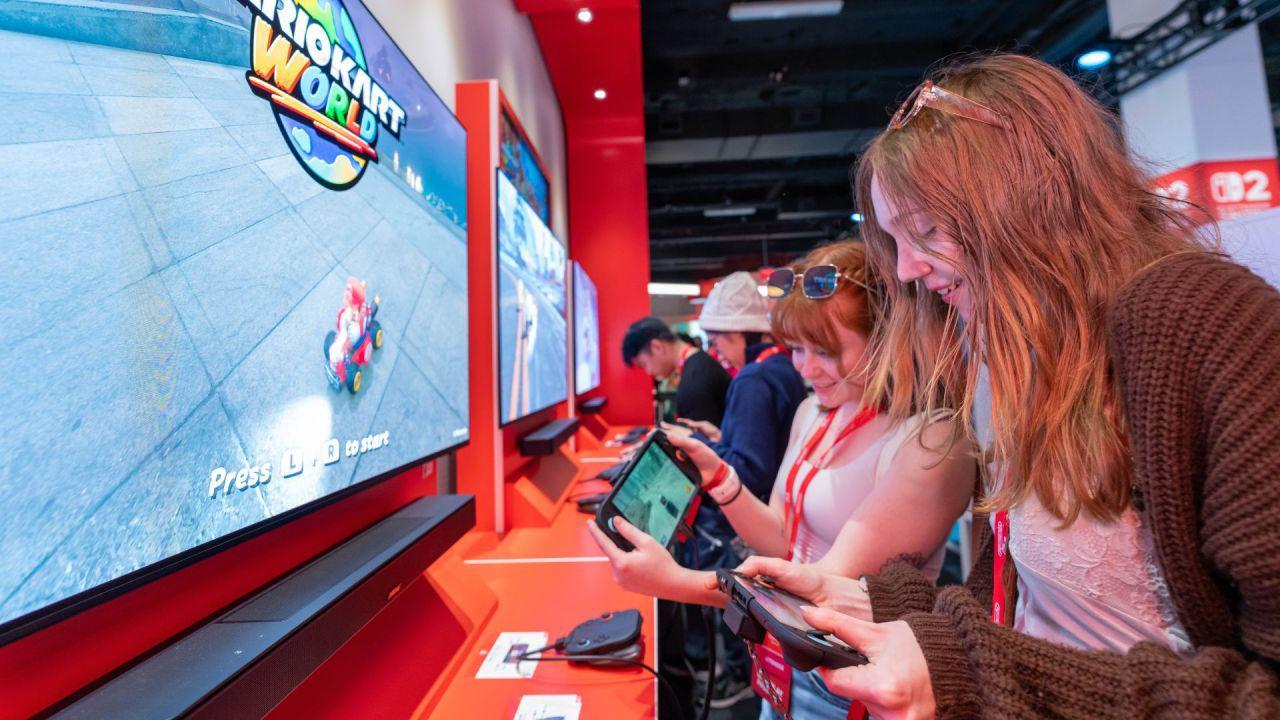
Furukawa wouldn't say how many copies were sold, but he did say that Mario Kart World is a key "evergreen" game that Nintendo wants to support throughout the Switch 2's lifecycle.
Nintendo intends to keep pushing the game hard in marketing, hoping it can be a long-term hit. People in the business believe Nintendo may bundle Mario Kart World with other titles for holiday sales, just like Mario Kart 8 Deluxe was a staple of Black Friday and Cyber Monday for the original Switch.
Still, the $80 price is still up for debate. Many fans think Nintendo may have overestimated how willing people would be to pay more for a first-party racing game. While $70 versus $80 might not seem like much, the fact that Mario Kart World is one of the first major $80 titles has sparked some online grumbling.
People are also increasingly discussing how Nintendo’s pricing strategy compares with that of other companies’ upcoming blockbuster games. Some experts say the release of highly anticipated titles like Grand Theft Auto VI at lower costs could make things unpleasant. Mario Kart World is still $80.
One theme came out above all as we neared the end of the investor Q&A: Nintendo’s biggest dilemma going forward will be how to price the Switch 2. Nintendo is trying to sell the most costly game system it has ever created, even as production prices are rising, the economy is shaky, and customers are becoming more price-conscious about hardware and software.
Nintendo evidently thinks the unique games and apps on the Switch 2 will justify the extra price. Investors, customers, and experts are all looking intently to see whether the company can continue to operate if costs keep rising for the next generation.
For now, it seems Nintendo is committed to a careful balancing act of making money while growing the platform long term. One thing is evident from this investor Q&A: the financial difficulties around the Switch 2 are far from over.
Contributor, NoobFeed
Related News
No Data.