
PlayStation 6 Rumors Intensify as RAM Crisis Deepens
Rising memory costs continue to reshape next-generation console development schedules and hardware configuration strategies across the industry.
News by Tanvir Kabbo on Dec 31, 2025
PlayStation 6 and the next Xbox are both going to be a lot later than they were supposed to. Forecasts now say that these systems might not be available until 2030. The problems affecting the memory market and the IT sector as a whole go far beyond next-gen technology.
They also affect current systems like the PS5, the impending Switch 2, PC parts, and more. There are also widespread misunderstandings surrounding rumors about PS6 delays, and current conditions remain fluid.
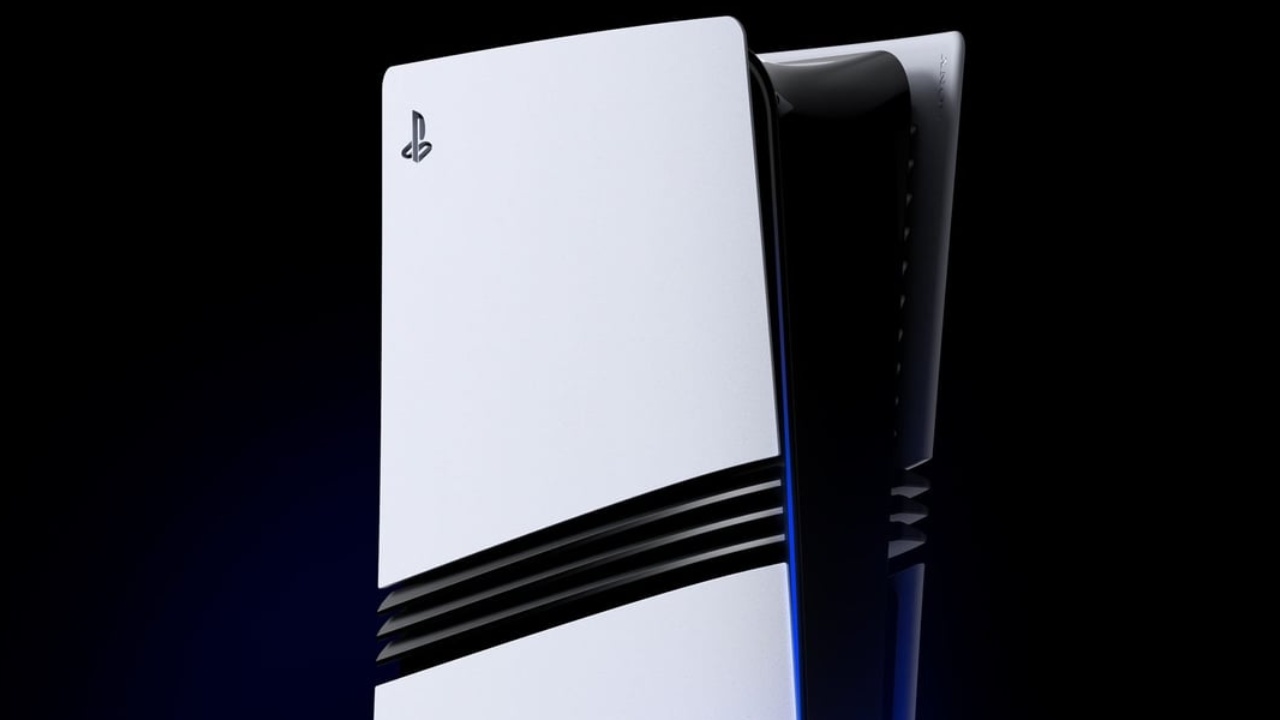
Insider Gaming reports that the escalating prices and scarcity of RAM leave console producers in a particularly difficult position.
In the past, corporations have often sold consoles at a loss, hoping to make up for it with sales of accessories, software, and services. But every business can only handle so much loss.
Insider Gaming says that these memory problems have led to talks among console makers considering pushing back the release dates of next-gen consoles beyond the initially planned 2027-2028 window. The aim is that RAM makers will eventually build more infrastructure, which will drive prices down again.
Kepler_L2, who has a good reputation, has leaked information that both Sony and Microsoft are likely to delay their releases, with Microsoft being the most likely to delay its hardware. Early reports on the PS6 specs, including those from Moore's Law Is Dead, mention a 160-bit memory bus, 7-8 Zen6 C cores paired with 2 Zen6 LP cores, and a GPU with 52-54 RDNA 5 compute units.
Kepler_L2 also guesses that the handheld PS6 will have about 24GB of memory, the conventional PS6 will have 30GB, and Microsoft's next-gen system will have 36GB.
When we think about pricing speculation, earlier projections put the PS6 at around $600 and Microsoft's system at around $1,200 because it has a bigger, more expensive APU, more RAM, needs more cooling, and costs more to make altogether. That estimate was made before memory prices went up a lot, even then.
We could wonder why manufacturers can't just deal with higher start-up costs and let prices drop over time. The problem is the amount. Even if people were willing to pay $700 to $800 for a PS6, the real question is whether Sony or Microsoft could get enough parts, especially memory, to make enough of them. The shortages right now are so bad that even big companies are feeling the pinch.
For example, reports indicate that smartphone production has been disrupted because internal divisions could not secure enough memory from their own company, as AI-related demand outpaced supply. That level of strain is alarming for the broader hardware market.
Nintendo-focused sites that quote Bloomberg reports say that the cost of memory modules for the Switch 2 rose almost 41% in just one quarter, while NAND costs rose almost 8%. These percentages show how much more the parts cost, not how much more the whole console costs, but they are nonetheless worrying.
Parts of a PC are also affected. Prices for DDR5 have risen significantly, and reports suggest DDR4 may return because it is cheaper and works with many CPUs that still run well on DDR4 motherboards.
We had already talked about leaks that the PS6 would feature RDNA5 and Zen6 architecture in late 2024. Around that time, developers were worried about a launch in 2027–2028. Some believed they had not fully utilized the current-gen hardware, especially given Xbox Series X sales that fell short of early industry expectations. Developing large-scale titles is extremely expensive, and low adoption rates for new consoles would only compound financial risk.
There may be some positive developments. During an interview with Hardware Unboxed, Edward Crisler of Sapphire stated that the memory situation could begin stabilizing within 6-8 months. Additional reports suggest the emergence of new memory vendors in China, though scaling production to global levels will take considerable time.
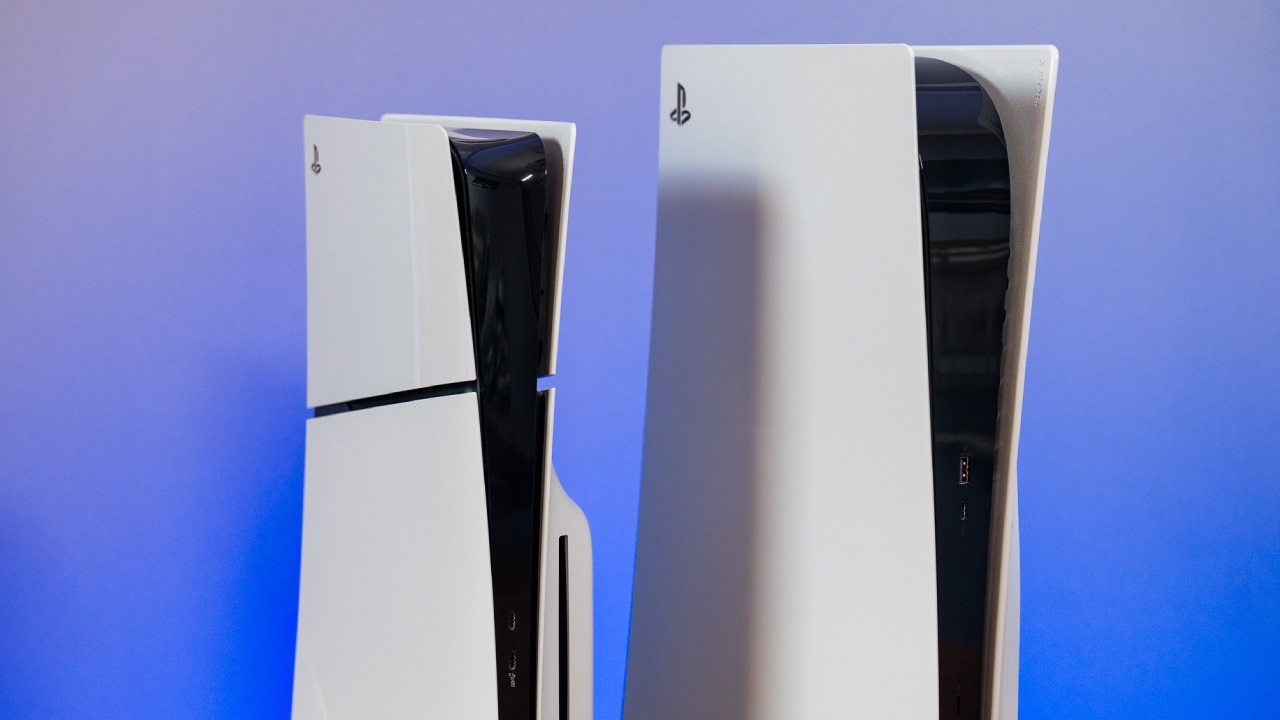
Sony could still alter PS6 specifications.
While some estimates point to 30GB rather than 40GB of memory, adjustments are not out of the question.
Another option could be releasing only the portable PS6 device initially—although LP memory is also expensive right now.
When companies like Sony secure long-term contracts for memory, they can lock in either higher or lower pricing depending on market timing. If prices fall shortly after a contract is signed, Sony might end up paying more than the current market rate. Conversely, the company could benefit if prices rise after securing a lower rate. This volatility makes planning difficult.
For now, PS5 benefits from GDDR6, which is not under the same intense demand as the memory types currently used in AI data centers. Still, turmoil across the memory sector affects everything from laptops to tablets to smartphones.
We are all feeling the frustration. If these issues affected only next-gen consoles, the situation would still be difficult. Still, the broader impact on nearly every device category makes it far more disruptive. The future depends largely on whether AI-related demand cools off or supply increases substantially. Until then, uncertainty will continue shaping the timelines of future hardware launches.
Senior Editor, NoobFeed
Related News
No Data.