
PlayStation 6 Signals a Turning Point as the PS5 Era Nears Its Limits
More and more people are talking about a faster start of the next generation and a higher price because of rising costs and performance demands.
News by Nusrat Choity on Jan 21, 2026
The PlayStation environment might be about to reach another big turning point. The sources say that more and more people in the industry are talking about the idea that the PlayStation 5 is starting to show its age, not in terms of sales or fame, but in terms of its raw performance.
The machine is still selling well, but new games are revealing technical limitations that weren't as clear when it first came out. Because of this change, there is new talk that the PlayStation 6 might come out sooner than most people think. The PS5 has been out for five years, and a lot of tech has changed since then.
.jpg)
The sources say that high-end PC parts have stepped up, changing what players think of as "next-gen" speed and graphics. Modern games often use advanced lighting methods, open worlds with lots of things to do, and physics systems that are too complicated for today's consoles to handle.
When makers want to keep things stable, they often have to make trade-offs, like lowering internal resolutions or putting a cap on frame rates to make sure games run smoothly.
As monitor technology has improved, these flaws have become clearer. Sources say that bigger 4K TVs and screens with a high refresh rate are now widespread, which raises expectations for clear images and smooth motion. More and more players want games to consistently run at 60 frames per second or higher while still having improved graphics.
That balance isn't always possible on the PS5, especially in games that use ray tracing and other effects that use a lot of resources. Developer trends are also making people talk about it. Sources say that ray tracing is almost always used in big-budget movies, and it's usually just a visual checkmark rather than a choice for improvement.
Better art direction and baked lighting in earlier console generations led to stunning results, but now that the industry is focusing on real-time effects, they need a lot more processing power. The PS5 can do these things, but not always at the level or consistency that fans are used to.
The bigger gap between desire and hardware ability is a big reason why late 2027 is being talked about as a possible release date for the PlayStation 6. Sources say that this schedule fits with normal console cycles and shows that there is growing pressure to set a new standard for performance. The current generation lasts longer, which means that developers have to build around limitations that players can see more and more of.
A different idea is being put forward: the PS5 has "barely started." Sources say that PS4 games that can be played on the PS5 already show how much of a step forward it was, with better resolutions, smoother frame rates, and faster load times compared to older games.
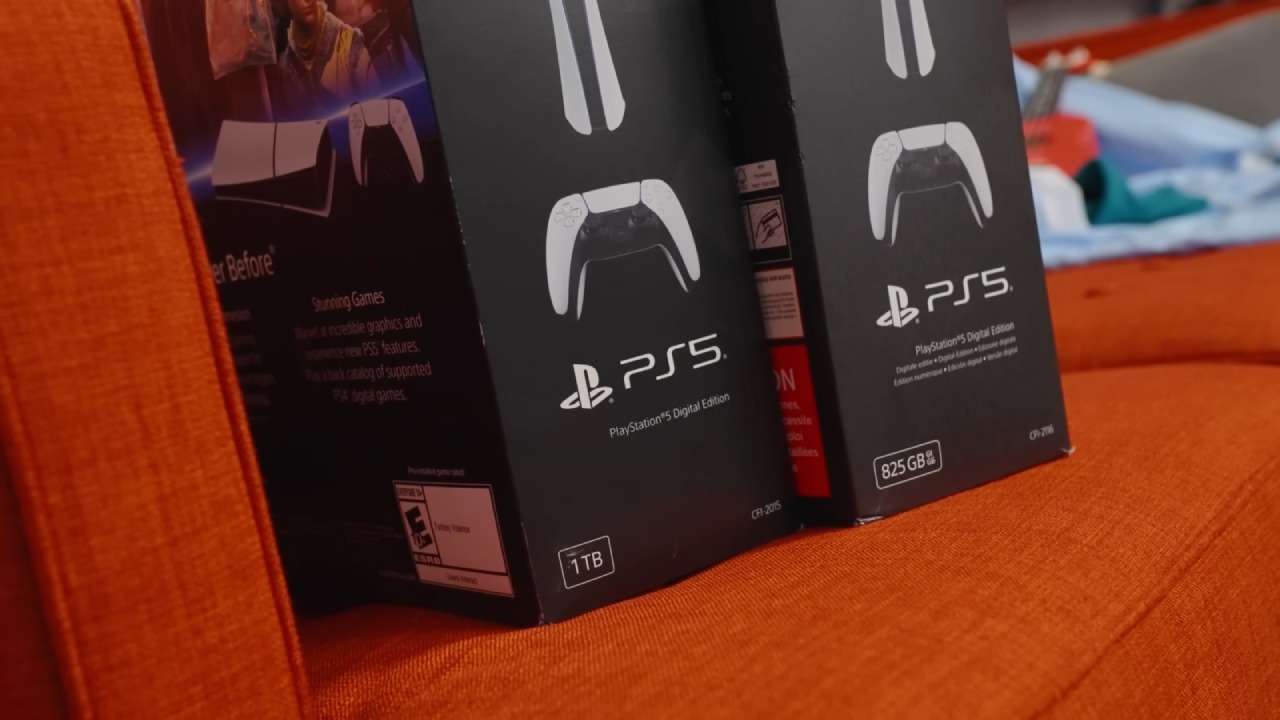
A lot of big games now run much faster than they did on last-gen hardware, which suggests that the PS5 has already lived up to a lot of its generational promises.
As people talk more about time, they are also talking a lot about price, which is a more controversial subject. Sources say that estimates that the PlayStation 6 will cost between $1,000 and $1,200 are becoming more realistic instead of outlandish. Hardware production is now very much affected by changes in the economy, and systems are no longer safe from these pressures.
The cost of the parts plays a big role. The sources say that the prices of advanced solid-state storage and high-speed memory are still going up, and that next-generation chips need bigger budgets for power and cooling. Every new version of consoles improves performance, but it costs a lot more and takes more complicated engineering to do so.
Selling consoles at a loss and then making up the difference later is a long-standing business plan that is getting harder to defend. Sony isn't the only company that has to deal with this problem. Sources say that the prices of cutting-edge gear like graphics cards and CPUs have been steadily going up in the tech industry as a whole.
When you apply the same performance standards to a console format, prices will always go up. It's getting harder and harder to keep prices low while also making big improvements over the PS5.
There are worries that a higher price might stop people from buying it, but the way the market is acting says that demand may still be high. The experts say that consoles are still the easiest way to get high-end gaming performance. It is likely that a PC that can compete with a made-up PS6 will cost a lot more, maybe even several times the price of the machine.
A high-end console may still seem like the better deal for many people. Trends happening now support this view. According to the sources, players have already shown that they are willing to pay more for better gear, whether it's mid-generation updates, more storage space, or high-end accessories.
Even if it costs more up front, customers who care about performance will continue to choose smoother gameplay and higher visual quality. Talking about price also shows how standards are changing. Sources say that players are slowly getting used to the idea that next-generation experiences might not come cheap, as games get more difficult technically and development costs rise.
A four-figure price for a console would have been impossible in the past, but now it's more like the price of other electronics.
When looked at together, these two events point to a future with clearer-cut choices. Even though the PS5 is still a good system, its flaws are getting harder to ignore as time goes on. But it's getting more expensive to break through those limits, which changes where next-generation systems stand in the market.
One thing is clear: the PlayStation 6 talk is no longer just about power. It's also about when it will come out, how much it will cost, and what people expect from it. If Sony moves toward a faster release date with higher prices, it could change what gamers think of as a console age.
Now the real question is whether PlayStation fans are ready to take a bigger, faster, and more expensive step into the future of the game.
Contributor, NoobFeed
Related News
No Data.