
PlayStation Network Security Concerns Rise after Reported Colin Moriarty PSN Account Hack
An in-depth analysis of what happened recently with the PlayStation Network and why you're hearing about it after the recent price increase for PlayStation Plus subscriptions.
News by Adeela Tas on May 19, 2026
The timing of everything couldn’t be better since the company recently raised the prices for its services, and not long afterward, there was an incident that might be disturbing to a user who frequently accesses the PlayStation Network; that is, security issues that sound quite familiar. To anyone who has been using PSN for a while, it is no news that security problems have been an ongoing concern.
The list of problems is extensive, including years of minor issues, larger-scale problems, and most memorably, the massive outage of the PlayStation Network in 2011. And now, when a high-profile account hack occurs, it does not come out of the blue; rather, it fits into a familiar trend. What is currently taking place concerns an individual named Colin Moriarty, who is from the Sacred Symbols YouTube channel and was formerly associated with IGN.
His account was apparently hacked, according to his claims, as part of a wider, more coordinated series of attacks on both ordinary individuals and influential members of the PlayStation community. As he explains, this incident was not caused by him clicking a phishing link or entering his password somewhere.
Luckily, he did not fall for any obvious scam.
However, the situation quickly escalates to the point where you can no longer understand what is happening from your individual user perspective. All of a sudden, your email starts receiving hundreds of sign-up notifications from sites you have never even signed up for, including Substack, EA, AliExpress, Slack, and others.
But wait, it gets even better. You receive an email saying your PlayStation Network email has been changed. Soon after, you’ll receive another email stating that two-factor authentication has been disabled on your account. Once this happens, you aren’t just facing the problem of having your account hacked; you’re seeing your chances of recovering that account vanish before your very eyes.
Next, Colin explains why this doesn’t make sense from a typical user's perspective. Questions arise about how anyone could have gained access to the account without insider knowledge or other system vulnerabilities. Though Colin is cautious about making accusations, it’s obvious he finds something about the series of events suspicious.
This is followed by his observation that support for PlayStation couldn't provide any real assistance from the very beginning.
And if you've had any experience working with mass customer support, then this bit shouldn't be too surprising. This is because such support becomes extremely slow and bureaucratic, especially when dealing with cases such as account recovery under suspicion.
However, this time he was able to leverage his connections with PlayStation PR and employees of Sony-owned game studios to escalate the issue. It is at this point that everything begins to change. Moreover, we found that he called support himself and was told it would take about 3 weeks for them to respond.
Nonetheless, although it took some time, recovery takes place much faster than expected. He explains that this was made possible by his own connections at Sony, which helped him through the process, but he goes on to say that this is not the sort of assistance many users would be able to take advantage of.
The discussion then moves beyond a single event and into a larger issue. Speculation begins regarding how such an attack may have occurred. One of the more commonly held theories is social engineering, in which attackers acquire small pieces of information and use them to convince support teams that they are indeed the rightful owners of the account.
A serious issue is that PSN’s verification system can be manipulated.
In addition, it has been mentioned that even something simple like a PSN ID, which would be publicly accessible or available through online communities, could be used along with transaction history from before to clear the PSN verification process. If such information is sufficient for convincing the support representative, the access could theoretically be transferred during a support session.
This is when things become really problematic, as it does not require any hacking of Sony’s system in the classical sense. It might actually happen through the support procedure itself. Moreover, given how large the support team is and that different support representatives handle different calls, it is possible to spot discrepancies in verification.
Moreover, there’s a discussion of how, once this verification is confirmed, support workflow procedures can be used to make changes, such as changing the account's email address and deactivating two-factor authentication. As a user, this is one of the most troubling aspects of the situation, since these are the exact measures that have been implemented to protect your account.
In addition, you find that Colin’s situation is not being treated as an outlier.
There are other cases that have occurred, including that of a French journalist who went through the same thing, and other public figures like Genki on X who have reported having similar problems with their accounts. Once you start putting all of these things together, a pattern begins to emerge.
On the other hand, no official reason has been provided for what happened to Colin's account. There has been no official confirmation of a security breach, nor has Sony issued an official technical analysis. In other words, you are dealing with a mixture of assumptions, opinions, and trends rather than with the root cause of the problem.
Another source of frustration is the support timelines. When you are told it may take up to several weeks to investigate your case when it is really urgent, you cannot help but feel that there is something wrong with the whole process. Despite the restoration of your account, this issue is still worth consideration.
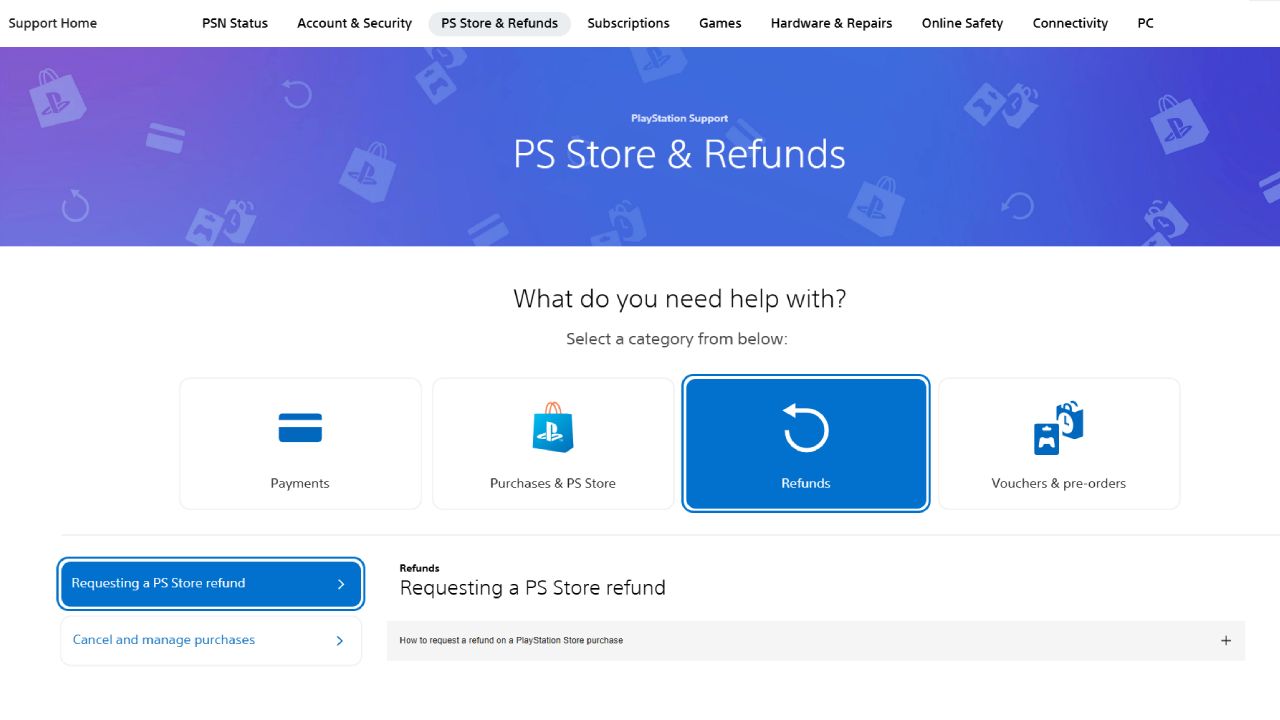
As this news spreads, it becomes associated, at least in terms of visual evidence and perception, with the timing of PlayStation Plus's price increase. While this may not be directly related, you can understand how people draw the connection. One minute, you have more expensive subscription fees, and the very next minute, there is news about large-scale account security breaches that are occurring to some high-profile players.
This all ties back into the idea of transparency, something which you might be familiar with when there is an issue with the PlayStation Network. Updates often come slowly and lack details initially, and it was once mentioned that there was an incident in the past when it took almost a full day before any update could be provided.
In terms of the user experience, the discrepancy between the problem internally and how it was communicated externally adds to the frustration.
The issue affects you immediately, but there may be a delay in its official recognition. The larger issue at hand in this example goes beyond one single account. The issue at hand is the value of a person’s digital library.
When years have been spent making purchases, earning trophies, saving game data, and participating in microtransactions, a person’s PSN account is no longer just an account; it is their gaming history and financial legacy. This is why issues like these carry so much weight now. When a user loses their account, it’s not just an inconvenience; they could lose access to thousands of dollars' worth of information and purchases.
Although Colin eventually regained access to his account, the lesson here is that not all users get this kind of result or support team behind them. Some say they have never managed to recover their accounts despite contacting the relevant authorities by normal means.
What you are left with then is a combination of relief and worry. Relief that it is possible to regain access to an account in some instances, but worry that the process is not uniform or guaranteed. While the discussion was mostly focused on one specific account, it was also made clear that account security and verification are just a few elements in a system used by millions of people each day.
Editor, NoobFeed
Related News
No Data.